The movie chosen to reopen the Lark Theater in July 2004 was Impact, a 1949 noir partly filmed in Larkspur. A town had rescued its cinema, and the cinema returned the favor by putting the town on the screen. For an opening night, that is a pleasing bit of casting. For a business, it was only the beginning.
The difficult question arrived after the restoration. How do you keep a single-screen theater useful when the audience can go elsewhere, or stay home? The Lark’s answer accumulated over years: show more kinds of work, invite more kinds of people, and give supporters something to fund beyond their own next ticket.
Today, a glance at its calendar can feel like overhearing several conversations at once. There is opera. There is jazz. There are old movies, new movies and people telling stories in person. The building has one screen. The organization has learned to give that screen company.
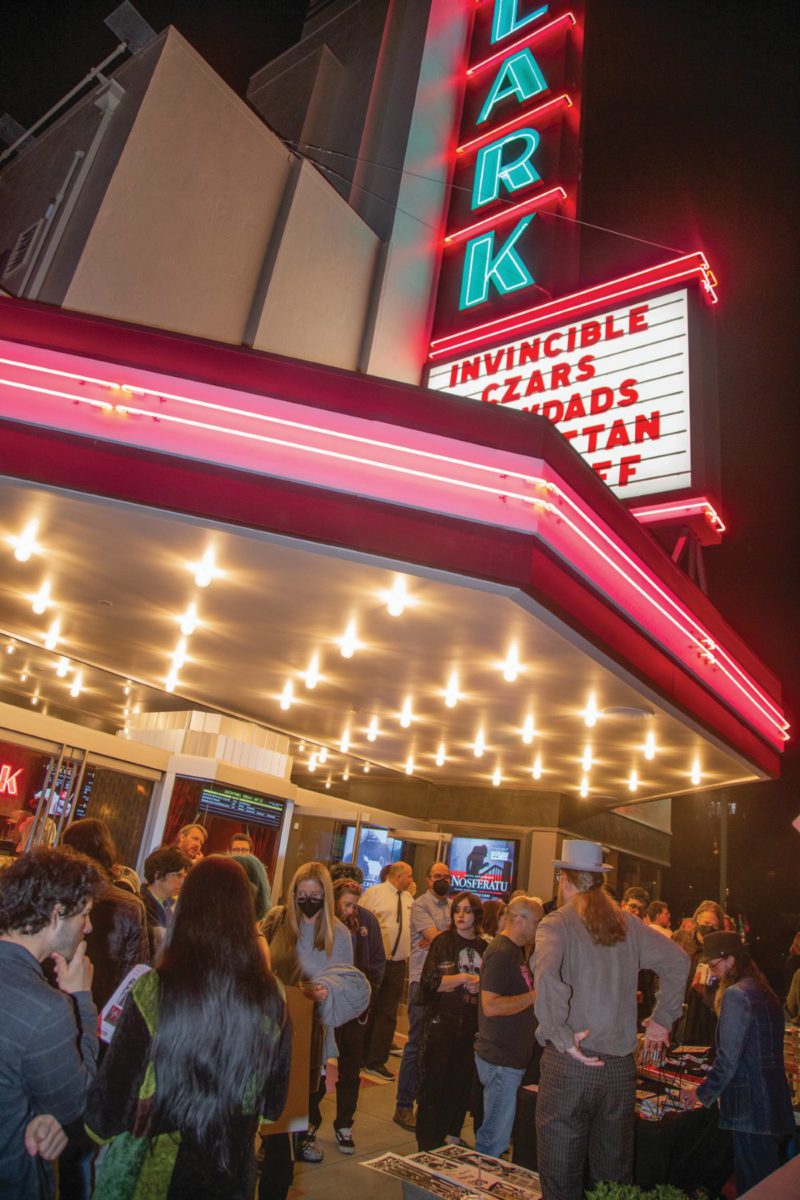
01 / THE RESCUEA beautiful building still needs a Tuesday
The original cinema opened on June 21, 1940. Its architect, William B. David, also designed the Park in Lafayette and the Noyo in Willits. Larkspur’s city history points out the similarity of the plans, right down to those convenient four-letter names. Even the charming neighborhood picture house had relatives.
The same city history records the Lark going dark in 1999, amid industry consolidation and competition from multiplexes. The first thing to fail was the cinema’s place in the movie business. The need for a place to gather was a different question, and residents were willing to test it.
In 2003, Bernice Baeza and Heidi Hillenbrand organized a nonprofit revival. Volunteers joined the restoration; architects Bruce Fullerton and Antonina Markoff donated their services. Work began in January 2004 and finished in July. The result gave the old room its red seats and period details back, along with updated presentation equipment.
Reopening did not settle the property question. In May 2007, the group still needed to raise $400,000 by the following month to complete a purchase deal, according to contemporary reporting. That figure was a remaining fundraising requirement, not the total restoration bill. The Lark’s own history records contributions from more than 800 individuals that year.
There is a useful distinction here for anyone contemplating a similar project. A renovation campaign has an ending. A theater calendar does not. Raising money to bring back a beloved building creates an obligation to make the building worth visiting after the celebration.
02 / THE CALENDARGive different people different reasons
Ellie Mednick took over management in 2012. Her changes reached behind the curtain: professional staff, stronger finances, a film buyer and broader programming. A 2021 account described the shift from one movie a week to six to eight, with the theater operating every day.
That change matters because a single screen imposes a peculiar discipline. You cannot offer another auditorium when someone dislikes the film. You can offer another time, another day, another reason. The scarce resource becomes the calendar as much as the room.
The Lark’s expertise lies in assembling that calendar and presenting the work. Its rental materials list 4K digital projection, 7.1 surround sound and 35mm capability. It can accommodate a private screening, a school event or a fundraiser; the stage supports small musical groups. Those are practical capabilities with different customers attached.
For an opera fan, the venue brings a distant production within a local outing. For a filmgoer, it supplies curation and a shared screening. For an organizer, it supplies a room already equipped to hold an audience’s attention. The products overlap physically, while solving different problems.
This places the Lark among Marin’s cultural exhibitors, with the Smith Rafael Film Center in nearby San Rafael offering another film-going option. The Lark’s particular proposition is the combination of an intimate historic setting and a program that crosses between cinema and live events. A customer can choose the occasion that appeals without signing up for every artistic taste in the building.
03 / THE MONEYThe ticket pays for part of the picture
The financial structure makes the community language concrete. For the fiscal year ending December 2024, the nonprofit reported $1,366,991 in revenue and $1,409,702 in expenses. Contributions accounted for $549,188, or 40.2% of revenue. Program services brought in $814,342, or 59.6%. Investment income supplied the small remainder.
Those categories should not be mistaken for a ticket-sales breakdown. They do, however, show why a full evening’s attendance and a healthy institution are different measures. Contributions are a substantial part of the operating picture. In that year, total expenses still exceeded total revenue by $42,711.
For visitors, the support ladder begins with an $85 annual Community membership. It includes a $2 movie discount, with exceptions, and benefits for two people per showing. Higher levels cost $195, $500 and $1,000. The memberships mix practical perks with support for the venue; someone shopping only for discounted tickets should do the arithmetic against their own habits.
Businesses and individual patrons can also sponsor a series. Published 2026 sponsorship tiers start at $2,500, $5,000 and $10,000, with recognition and additional benefits depending on the level. That gives the institution another conversation to have besides asking what somebody wants to watch tonight.
04 / THE NEXT ACTA theater director walks into a cinema
The pandemic forced another adjustment. While indoor operations were interrupted, the Lark collaborated with the City of Corte Madera on drive-in screenings. A renovation proceeded with support from arts patron Vickie Soulier. The changes included the lobby, seating and accessibility. The relationship with audiences could continue even while the familiar room was unavailable.
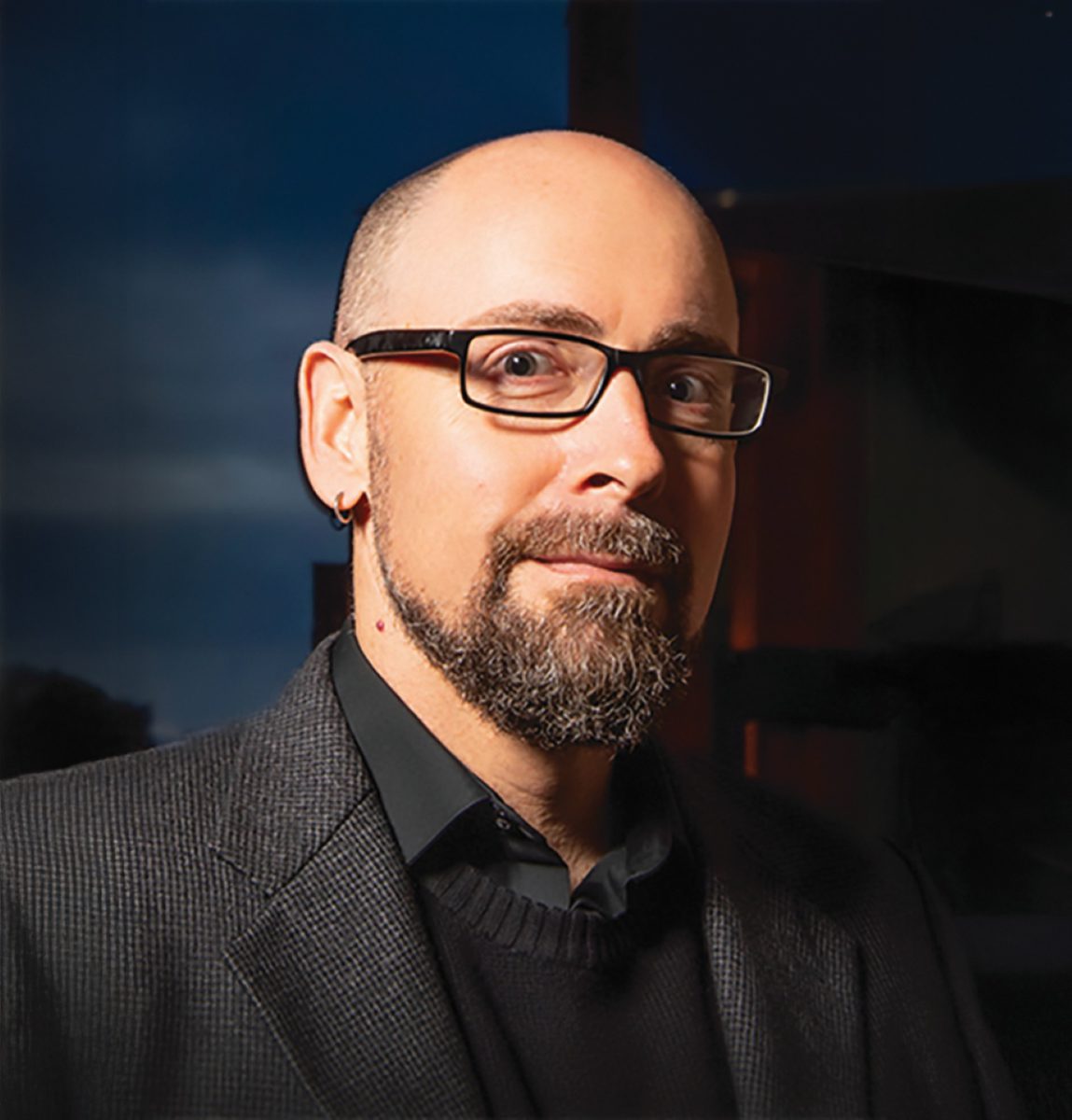
At the end of 2025, Josh Costello succeeded Mednick as executive artistic director. He had led Berkeley’s Aurora Theatre Company. A movie house was an unexpected next destination, but learning about the Lark’s range of programming made the job appealing.
“It never occurred to me that a movie theater might be in my future.”Josh Costello / Pacific Sun, January 2026
The calendar now makes that breadth easy to see. September 2026’s noir series advertised $10 general tickets and $8 member tickets. It included Impact, returning the local connection to the screen. Upcoming listings include Marin Jazz’s Ray Charles Project on September 19 and the start of the Met Opera season on October 3.
There are also smaller, specific invitations. In March, the College of Marin Classic Films Club sponsored a free centennial event for students and employees, pairing Laurel and Hardy with the Marx Brothers and live piano accompaniment for the silent film. A cinema can serve a community by giving a particular group a particular afternoon.
What can another town copy? Start with the operating plan alongside the restoration plan. Recruit people with useful professional skills. Build relationships with groups that already have audiences. Give those audiences multiple reasons to return, and make recurring support part of the proposition.
That approach depends on real conditions: willing donors, capable programming staff, workable exhibition arrangements and enough local demand. A diversified calendar still needs people to buy tickets. Anyone expecting the façade alone to carry the enterprise should study the contribution line in the budget.
The Lark’s invitation is simple enough to act on: choose a screening, hear some music, bring a group, become a member. The long work behind it is making sure that, when one evening ends, there is another worth leaving home for.
Pick your next evening
Films & events ↗ Membership ↗ Rent the room ↗
Continue reading: Pacific Sun’s conversation with Josh Costello · The 2021 renovation and reopening