In 1908, Charles W. Lamar Sr. lost a coin toss. He and J. M. Coe were dividing a partnership in Pensacola, Florida: an opera house and the poster business that promoted it. Coe took the more lucrative opera house. Lamar got the posters. Picture the consolation prize: the announcement outside the entertainment, rather than the entertainment itself.
More than a century later, that distinction looks rather different. Lamar Advertising sells access to people moving through the physical world. The interesting part is how much business it can fit into a place that appears to stand still.
- The product: roadside, transit, airport and highway-logo advertising across the U.S. and Canada.
- The move: convert selected static signs into screens shared by several advertisers.
- The lesson: introduce a new sales channel on unused capacity, then let actual demand persuade the skeptics.
A property business with a message on it
A billboard has two customers to satisfy before anyone reads it. An advertiser wants the right audience. A property owner wants a worthwhile use for the ground. Lamar connects them, managing signs on land owned by more than 60,000 individuals and businesses. Its network exceeds 360,000 displays, spanning several formats.
This explains why Lamar belongs in a conversation about real estate as well as media. It converted to a real estate investment trust in 2014. It earns money from advertising space, while location, site rights and physical structures underpin what it sells. Software can change the message; it cannot move a good highway exit.
The customers range from local businesses to national brands and agencies. Lamar's relative emphasis on small and midsize markets distinguishes its footprint within a field that includes OUTFRONT Media, Clear Channel Outdoor and local operators. The practical comparison is geographical: which company has the face along the route your customers actually travel?
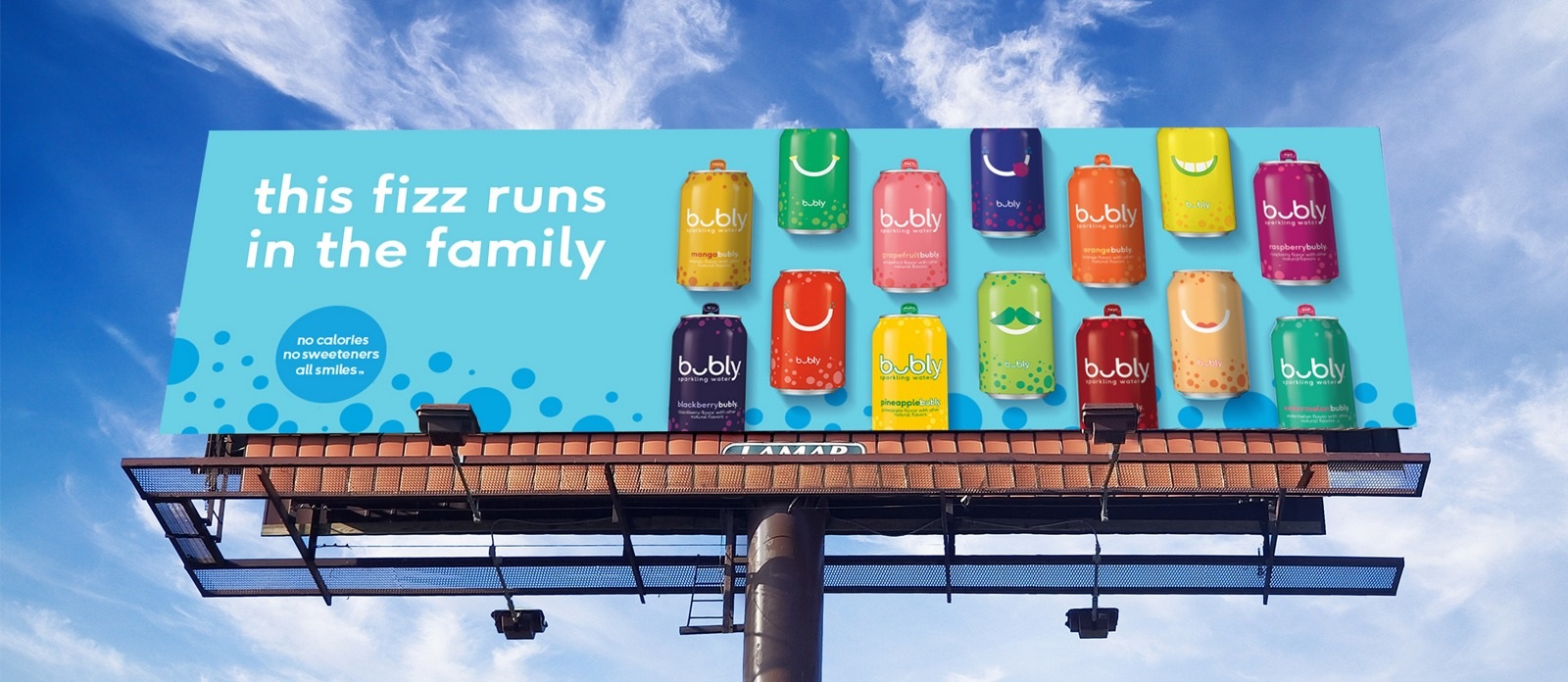
One location, several turns at the microphone
Consider a static billboard earning $3,000 a month. In a 2025 Nareit interview, CEO Sean Reilly described conversions costing about $200,000 that could lift monthly revenue to $15,000-$18,000. A digital face can accommodate up to eight advertisers. The structure keeps its address. The product gains a schedule.
Up to eight advertisers share a face. Approx. $200,000 conversion investment. CEO's 2025 example; revenue, before operating costs, rather than a promised return.
The advertiser gets flexibility: messages rotate every six to eight seconds, and copy can change without printing a new vinyl sheet. A restaurant can adjust an offer; a campaign can incorporate live scores, weather or a countdown. Lamar currently lists more than 5,700 digital displays.
The arithmetic has conditions. More slots require enough buyers to fill them. A screen on the wrong road remains on the wrong road. The revenue example also leaves electricity, maintenance, site expenses and selling costs to be paid. Treating the difference as profit would make an attractive chart and a poor investment calculation.
The first obstacle was the people selling it
Digitizing a sign was only part of the change. Programmatic buying lets agencies purchase inventory through connected software. To people accustomed to selling their own local space, this introduced an uncomfortable outsider: a system with visibility into availability and rates.
In an interview with technology partner Vistar Media, Lamar's Ian Dallimore described control as the major hurdle. Early proceeds were small enough to attract a dismissive response:
“Wow, thanks for the couple of pennies!”
Ian Dallimore, recalling colleagues' early reaction
The initial test used space that otherwise would have gone unsold. Dallimore reassured managers that the target was additional agency and digital demand. An automotive campaign from an unfamiliar digital agency helped demonstrate that the connection could bring in a buyer beyond existing relationships. Revenue grew, and internal enthusiasm followed.
For another business, the transferable idea is precise: test a new distribution channel with spare capacity, make its purpose clear to the people responsible for sales, and look for evidence of additional customers. That approach depends on having unused capacity and keeping the new channel from undermining established pricing.
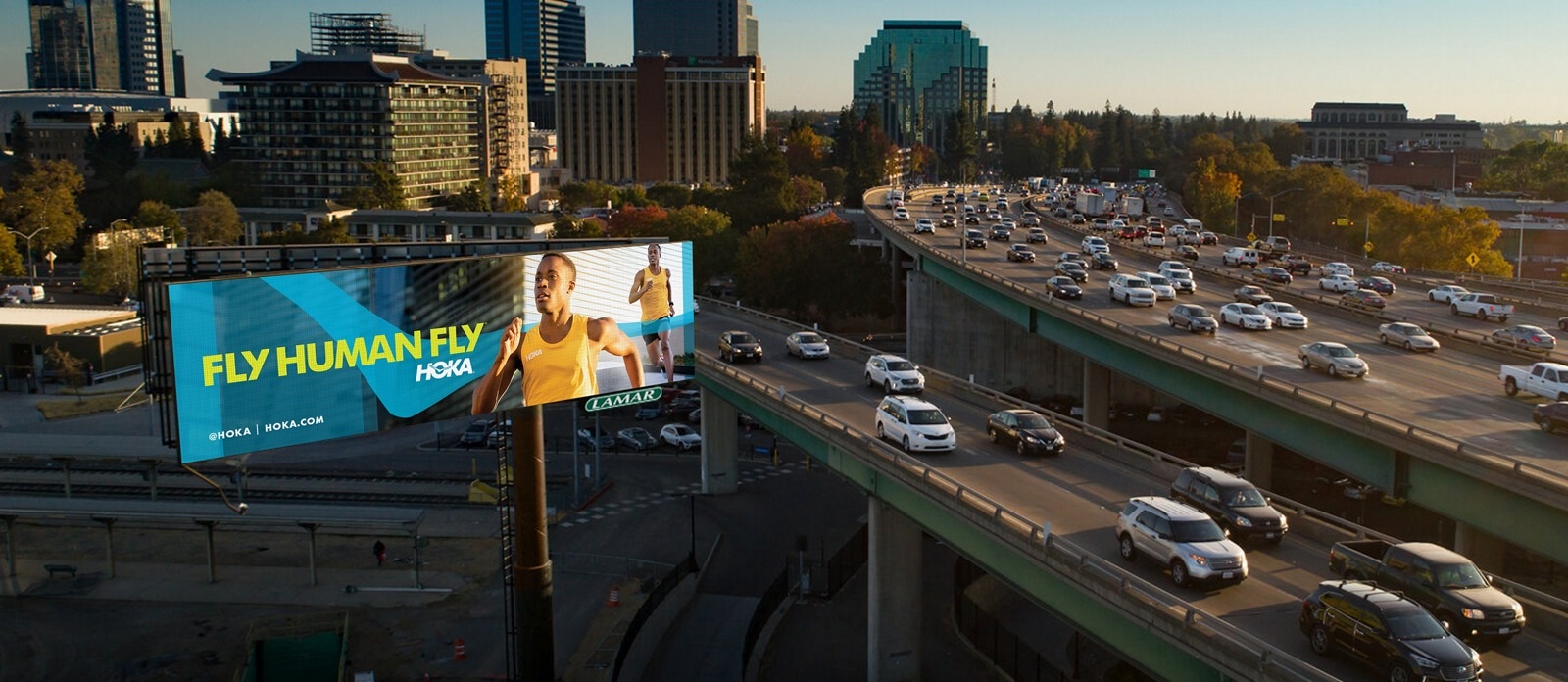
Your message has a speed limit
Lamar also supplies the less glamorous work: design, production, placement and maintenance. Its products include large highway bulletins, smaller posters, bus and rail advertising, airport displays and highway-exit logo signs. Custom extensions and three-dimensional props give some campaigns a physical joke that a flat rectangle cannot deliver.
Its creative advice is refreshingly severe: aim for seven words or fewer. A passing driver cannot study a brochure. For a buyer, that means choosing one memorable point, checking legibility and matching the placement to a real audience. Lamar advertises free design services; campaign pricing still requires a quote for the actual inventory and schedule.
Outdoor advertising suits awareness and repeated exposure along relevant routes. Detailed explanations, immediate click-based feedback and narrowly defined audiences may call for other media alongside it. A big sign cannot repair an unclear offer, and traffic past a board is not proof of a sale.
The next sign is still a local decision
Lamar reported $2.266 billion in 2025 net revenue. Its latest reported quarter, ending June 2026, brought $616.7 million, up 6.5% year over year. In August, the AdSource acquisition added more than 230 Louisiana billboard faces, including 30 digital displays, using a transaction that gave the sellers operating-partnership units.
That combination is revealing: acquire locations, improve selected assets, and make buying easier. Lamar's stated values emphasize customer relationships and community service, while local managers retain substantial autonomy. The company can distribute advertising through software and still depend on somebody who understands a particular road.
The old poster business survived by becoming useful to many kinds of advertiser. Its modern counterpart asks a wonderfully concrete question: how many useful messages can this one view carry?