The trouble arrived while the boxes were being unpacked. A motherboard failed. The hardware it belonged to supported 80% of a small organization’s servers. Email and documents could have disappeared from the working day for days. Instead, Kraft & Kennedy’s team worked through the night, bringing systems online on a Datto appliance. Employees resumed work the following morning.
- Technology consulting with a deep legal-industry focus.
- Managed support, cybersecurity, cloud projects and document management.
- The useful lesson: prepare recovery before the disruption arrives.
There is an earlier scene in this company-published 2016 story. The 30-person New York organization had aging equipment, expired warranties and no backups of its data and applications. Kraft Kennedy recommended preparation. The client postponed its office move for three weeks. That delay bought the team time to build the recovery capability it would soon need. The first thing to break was a motherboard. The first thing to change was the schedule.
A lawyer walks into the server room
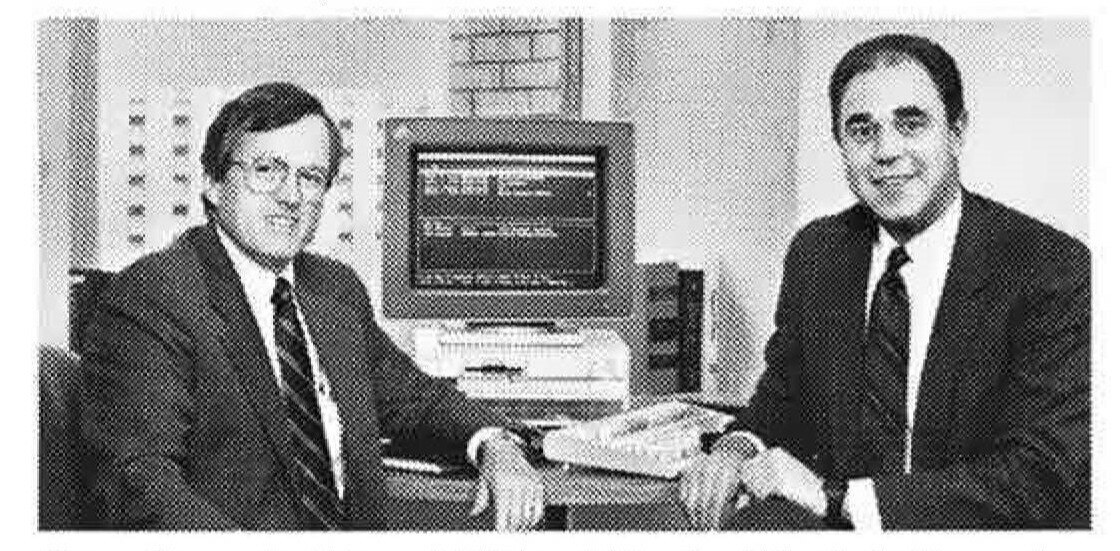
Kraft & Kennedy began in 1988 with attorney Michael Kraft and engineer Peter Kennedy. That pairing helps explain its place in the market. A law firm’s technology problem is also a problem about how lawyers work: who can retrieve a document, who should see it, and whether the system stays available when work moves elsewhere.
Today the business combines network engineers, solution architects, desktop analysts and interim leadership expertise. Its customers include law firms and legal departments, alongside financial firms, corporations and nonprofits. The company describes continuous learning and collaboration as central to its culture. In practical terms, the proposition is access to people who can follow a problem across technical and organizational boundaries.
This is a services company. It helps choose, install, connect and maintain technology made by other businesses. Its partner list includes Microsoft, NetDocuments, iManage, Datto and Citrix. Its stated vendor-neutral approach means fitting recommendations to the client. Buyers should still ask how a proposed platform was selected and what alternatives were considered.
The firm has also been its own customer. In 2017, it announced that it had moved its reports, designs, presentations and emails to NetDocuments. It had already spent years implementing the system for clients. Using the repository internally gave its dispersed team direct experience of the product it was helping other organizations adopt.
Make the move before the movers arrive
At Phillips Nizer, the assignment combined an office relocation with infrastructure changes. The law firm also scanned about a thousand Bankers boxes while consolidating its space. Kraft Kennedy supported the desktop and printer design and moved computing infrastructure into an off-premises data center.
The sequencing mattered. Data had been replicating to the colocation facility for a month before the office cutover. An engineer migrated 170 Exchange mailboxes in less than a week. Citrix and SQL were upgraded; Duo multifactor authentication was introduced. Several changes that might have become separate emergencies were organized around one transition.
“We didn’t miss one call or email.”
Diane Danglovich / IT Director, Phillips Nizer
That is the customer’s account in the published case study. It gives the project an unusually useful measure: whether work continued. The lesson for another organization is concrete. Move the dependencies, check the new environment, then move the desks. Packing a server is easier than discovering what depends on it.
The software was only half the move
Ice Miller’s document-management project reveals the other half of the job. Its old system scattered information across libraries and locations, frustrating users. A cloud-first strategy helped point the firm toward NetDocuments. Partners, associates, staff, IT and information-governance representatives participated in selection.
Kraft Kennedy handled implementation, with Encoretech supporting training. The published case study describes 750 users and 23 million documents and emails. It reports 90% adoption within three days. Those figures belong to this particular rollout, with its preparation and leadership involvement; they are not a promise for the next customer.
Training required a meaningful investment: Ice Miller’s IT applications director called it sizable and counted it among the project’s wins. That is a useful reminder when budgeting. The license is only one part of changing a document system. The people who must use it need time, instruction and a reason to care.
Who answers at three in the morning?
The recurring business is managed support. Kraft Kennedy’s published brochure describes monitoring, patching, backup management, help desk service and planning. Organizations can supplement an internal department or bring in support when they have no in-house specialists. Separate escalation support lets clients reserve blocks of expert time.
A 2016 incident-response account shows why the combination matters. Routine checks found encrypted files at a midsize law firm. Investigation identified eleven compromised accounts. Teams disabled external access, changed passwords, rebuilt servers and restored data from backups. Monitoring, investigation and restoration had to connect. A security alert alone would not have returned the attorneys to work.
- 01NoticeMonitor systems
- 02ContainRestrict access
- 03RestoreRecover the work
Commercially, the offering spans ongoing support, consulting projects, procurement and specialist hours. The managed-services brochure offers month-to-month options without mandatory annual contracts. A buyer should define coverage, responsibility and recovery expectations before comparing proposals. The useful unit of comparison is the work included.
That distinction separates the consultancy from a software vendor selling a single application. Its work spans the desktop, the document repository, the network and the decisions above them. For clients, the appeal is a broader pool of expertise. The trade-off is coordination: the client still needs someone able to set priorities, approve changes and judge whether the engagement is solving the business problem it began with.
The next ordinary Monday
The portfolio now includes AI adoption. In June 2026, Kraft Kennedy announced Microsoft Copilot and Cloud Security Advanced Specializations, bringing its stated total to ten. In October, it announced a Top Global CISO Award for Nett Lynch, who leads its Legion cybersecurity division. These are company announcements; the operational questions remain familiar.
Who can access the information? Has the migration been tested? Who owns recovery? The case studies suggest this approach depends on preparation, working backups, client participation and training. Skip those conditions and the reported outcomes offer little reassurance. For an office manager or IT director, the part worth copying is the sequence: make room for preparation before committing to the change. Then Monday has a chance to be ordinary.