At a football match, the most revealing piece of technology may be the ticket scanner. Before anyone can enjoy the game, a small machine must persuade several other machines that a person belongs inside. Then come payments, televisions, staff phones, and thousands of spectators carrying their own screens. A stadium has the technology problems of an office, a shop, and a broadcast operation, with everybody arriving at once.
Atomic Data works in that crowded intersection. Its relationship with Minnesota United began in 2012, before Allianz Field opened in 2019. In 2025, the club extended the partnership through 2029. That continuity matters: the people running the network have followed the organization through different homes and changing demands.
- The job: connect the systems, then keep them running.
- The buyers: enterprises, financial firms, health businesses, and venues.
- The useful lesson: give someone responsibility for the whole journey.
A match runs on more than football
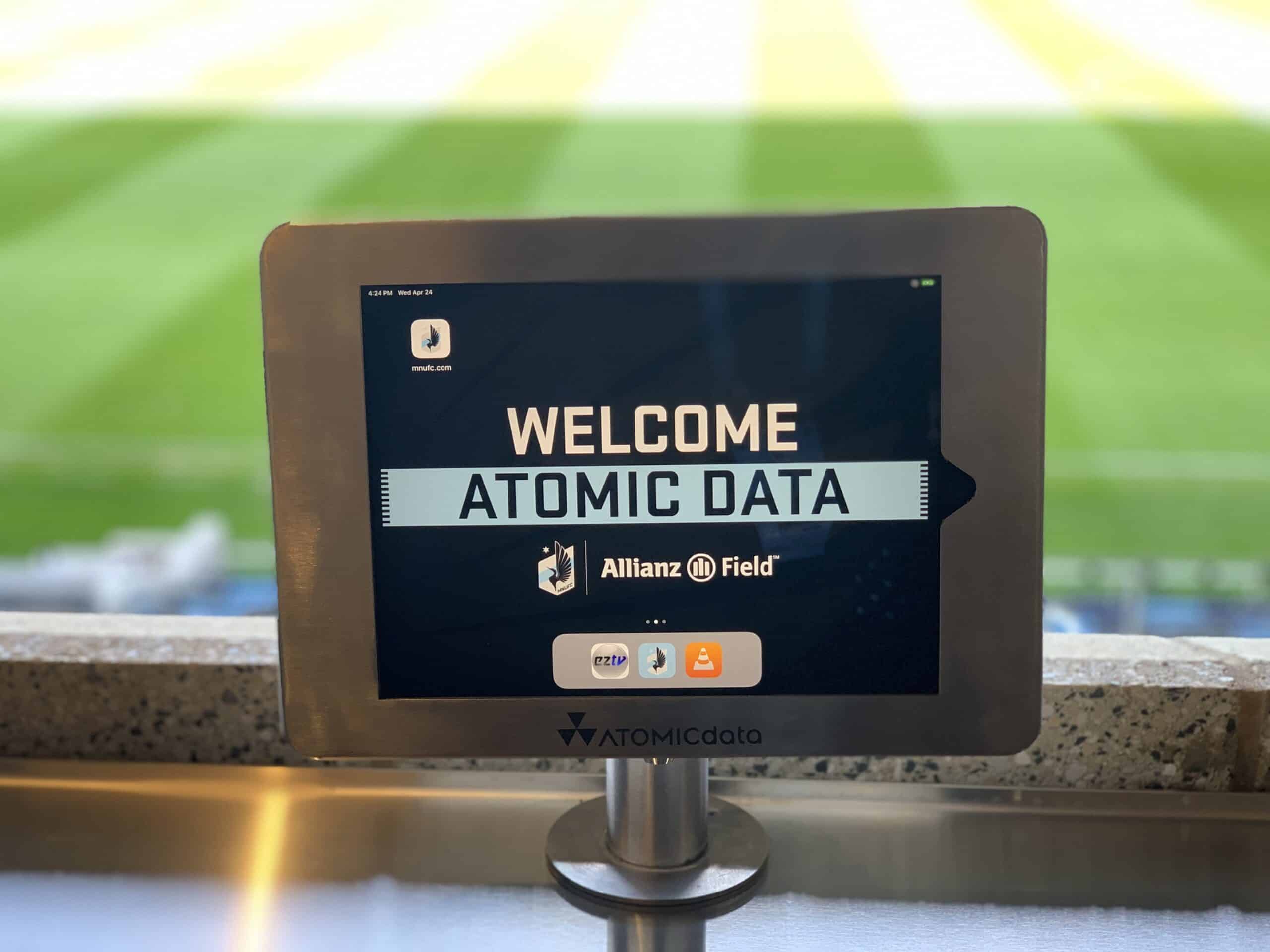
At Allianz Field, Atomic Data describes 470 Cisco access points, 14 data rooms, and 15 secure vendor networks. Those numbers represent different constituencies sharing a building. A photographer needs connectivity; a concession operator needs transactions; the operations team needs visibility. Good architecture accommodates those demands without treating every device as an identical guest.
FC Cincinnati offers another clue to the business. The club confirms that Atomic Data initially served as its owner’s technology representative during TQL Stadium’s development, before designing and managing networking with Aruba. The relationship then expanded into the club’s offices and training center. Buying advice became building infrastructure, then operating it.
The bill that changed the plan
For ShoreView Industries, a Minneapolis private equity firm, the trigger was less theatrical. Its environment was stable, but costs had risen and hybrid work made dependence on a VPN cumbersome. In early 2023, leadership asked Atomic Data to examine savings and Microsoft 365.
The resulting project moved email and files, retired legacy server services, and shifted much of the bill toward per-user licensing. Atomic Data trained designated SharePoint stakeholders, who helped create employee documentation. According to its January 2025 case study, the migration happened on a Thursday night; Friday was business as usual.
less in annual IT spending after the Microsoft 365 migration
The reported annual reduction exceeded $60,000. The practical sequence is worth copying: agree on the desired operating model, plan the migration, teach people how it works, and retire the old expenses. Moving files alone would have left much of the business problem intact.
Saturday night at the museum
Sometimes the trigger arrives without a budget meeting. Cincinnati Museum Center suffered a systemwide security incident in early 2022. Its technology team identified the problem quickly, but multiple facilities could no longer operate safely and predictably. The team decided to assume everything was compromised.
The shortage was recovery capacity and specialist experience. Atomic Data helped move networks into secure environments, patch equipment, review credentials, and coordinate the order of work. Forensics specialists reviewed existing networks and configurations. Ongoing architecture reviews, monitoring, and vulnerability scans followed the restoration.
“We needed people who had done this before”
David Zlatic, Cincinnati Museum Center CTO
The revealing detail is how closely physical operations depended on interconnected systems. A museum can have working exhibits and still be unable to welcome visitors. Recovery requires deciding which dependencies must be cleared before another part of the building can safely resume business.
A rehearsal with a real snag
Winslow Capital approached the same dependency problem through a drill. Working with Atomic Data, it tested a complete system role swap: shifting operations to backup infrastructure, with recovery objectives agreed beforehand and a written playbook guiding the exercise.
The initial failover met its objective. Later, a hurdle required collaboration with a vendor to complete data migration. The published account reports no service function or data loss. Discovering that dependency during rehearsal gave the team a chance to work through it deliberately. The lesson for any buyer is plain: ask to see a recovery exercise, including the return journey. A backup and a rehearsed recovery are different deliverables.
Who picks up the problem?
Atomic Data packages ongoing work as IT as a Service. Its Core Support subscription includes named engineers, end-user help, Microsoft 365 administration, endpoint protection, patching, and monitoring. Network, server, and cybersecurity services can be added. Consulting, architecture, implementation, and software development widen the relationship beyond the support desk.
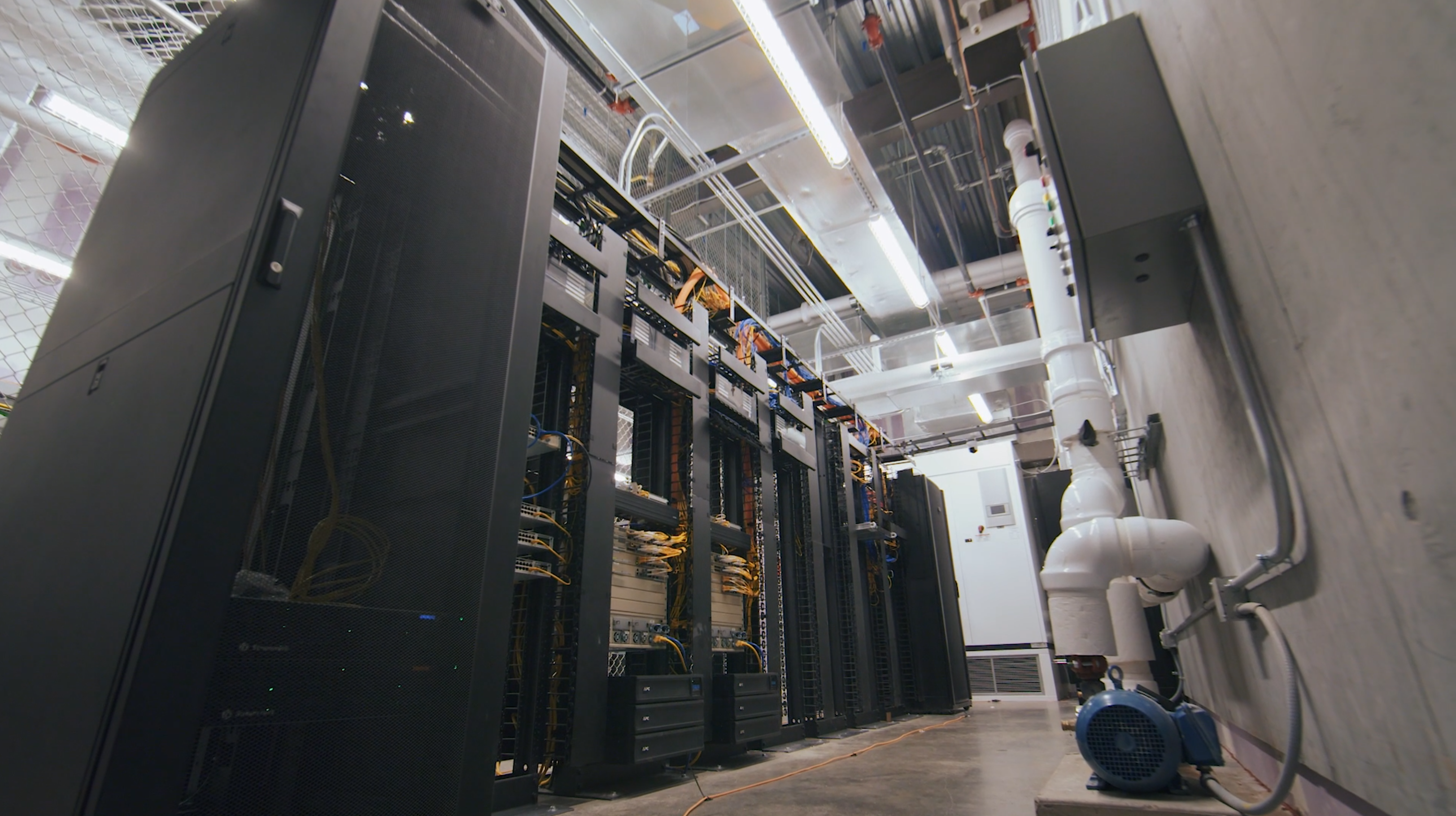
The infrastructure side includes colocation and Atomic Cloud, a VMware-based private-cloud offering hosted and supported in Minnesota. Atomic Data also manages AWS, Azure, Google, and hybrid environments. Its stated position leaves room for several answers to the cloud question. A customer can buy operational help without making every workload fit one hosting model.
This places it between internal IT teams, managed-service providers, and infrastructure suppliers. The distinguishing combination is broad operational support plus a developed venue practice. Customers can supplement their own staff or delegate more of the workload. The sensible comparison is the responsibility covered, the expertise available, and the total operating cost.
Growing the team behind the screen
Founded by Jim Wolford, Larry Patterson, and John Dowdle, Atomic Data ties its service culture to Wolford’s emphasis on client care. Its annual White Glove Award recognizes that behavior. The stated expectations include documentation, ownership, patience, and calm under pressure - useful habits when several systems fail together.
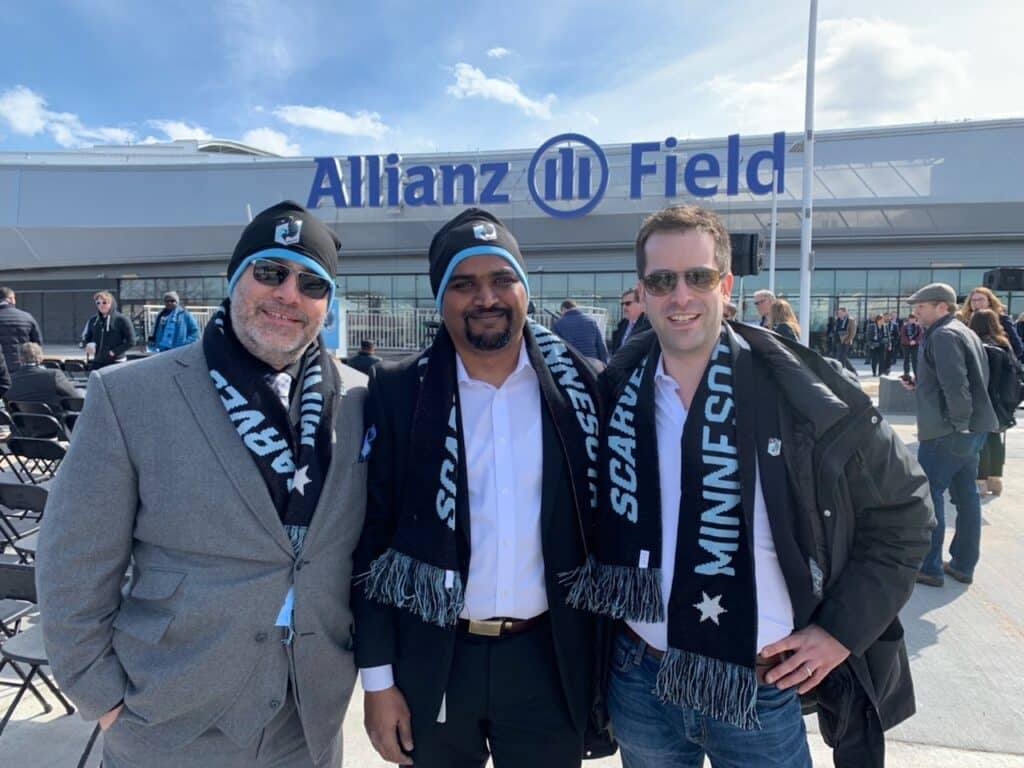
Dubin Clark recapitalized the business in September 2024 through a holding company that also invested in Foundation Technologies. Atomic Data acquired Venue Wireless in October 2025, adding high-density networking expertise. In September 2026, Aric Bandy became CEO of Atomic Data and Foundation Technologies.
More breadth still requires clear boundaries. Delegating operations works best when the buyer names internal decision makers, defines acceptable downtime, and agrees on responsibilities across vendors. A business unwilling to document its systems or rehearse recovery will leave important dependencies unresolved. At the gate, the scanner offers no extra credit for a persuasive proposal. It needs the next system to answer.