There is a peculiar penalty for having very little money: keeping track of it becomes a bigger job. A purchase must clear today, a bill arrives tomorrow, and payday occupies its own stubborn square on the calendar. KOHO has built its business around that interval. Its proposition is practical: make the money already coming in easier to use, and give customers a few ways to improve what happens next.
- Spend what you load. A prepaid Mastercard sits beside an app for everyday money.
- Build a separate history. Credit Building reports payment activity through a paid tradeline.
- Count the fee. Rewards and higher interest must earn back a subscription.
Founded in Vancouver in 2014 by Daniel Eberhard, Mike Benna, Jonathan Bixby and Joshua Bixby, KOHO is now based in Toronto. It occupies the territory between a bank account and a personal-finance app. The company reports more than 2.5 million customers, a useful indication of reach, though that figure does not tell us how many use it every month.
A spending limit you already own
The card is prepaid. Load money, then spend it. The app adds transaction visibility, bill payments, transfers and savings goals. A virtual card lets customers pay online or through a mobile wallet. For someone trying to separate the grocery budget from the rest of life, a visible balance and immediate feedback have an obvious appeal. The expertise here is making several financial chores feel like one routine.
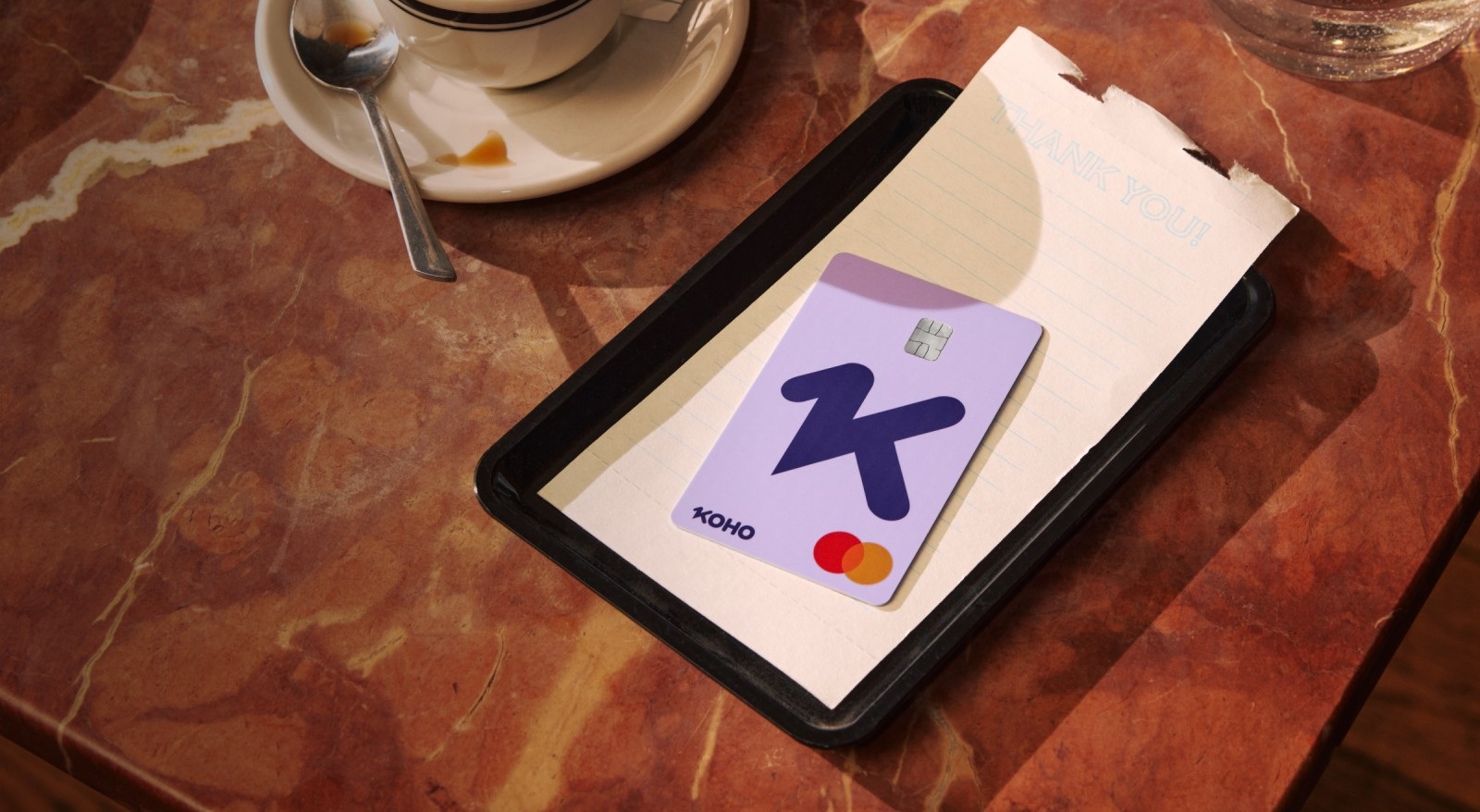
There is a catch in the mechanics, rather than the marketing. Spending your own loaded money does not create the same repayment record as borrowing. KOHO therefore sells Credit Building separately: a dedicated, interest-free tradeline that reports payment activity to Equifax. Customers pay a subscription for the arrangement. It offers a route into credit history without treating a larger shopping budget as the reward; a higher score remains an individual outcome, never a promise.
Cover tackles another problem: running short. It bundles an interest-free cash advance with other services for eligible customers. Interest-free describes the advance, while the subscription still costs money. Those are two different entries in the household ledger.
The C$177 question
KOHO earns money through paid plans and add-ons, alongside card interchange revenue. Its appeal therefore contains a useful tension: a company promising less expensive money also needs customers to pay it. The appropriate response is arithmetic.
Everything, its premium plan, is advertised at C$14.75 a month when billed annually: C$177 upfront. Paying monthly costs C$22, or C$264 over twelve months. Essential can cost C$0 when qualifying deposits earn a fee waiver. Comparing the two requires comparing what changes, rather than counting every premium benefit as a fresh gain.
Assumes C$1,000/month in eligible category purchases, C$2,000 held all year, 2% versus 1% cash back, and 3.5% versus 2% interest. Rates held constant; taxes, compounding and other benefits excluded. Essential assumed fee-waived.
At the published rates, imagine C$1,000 of eligible category spending each month and a steady C$2,000 balance. Everything’s additional percentage point of cash back produces C$120 annually. Its additional 1.5 percentage points of interest produces roughly C$30. Together, C$150 falls C$27 short of the annual fee, before other benefits or taxes. Foreign-exchange savings could change that result. So could spending patterns. The attractive plan is the one that survives your actual receipt.
Growth had a human bill
The company has had to apply similar discipline to itself. In 2023, KOHO cut 14 percent of its workforce. An earlier restructuring affected Instant Pay and user-success teams. Eberhard told BetaKit that Instant Pay’s distribution was shifting toward larger enterprise partners, away from many smaller ones. This was a change in how the product reached customers, not evidence that every useful product could support its original sales machinery.
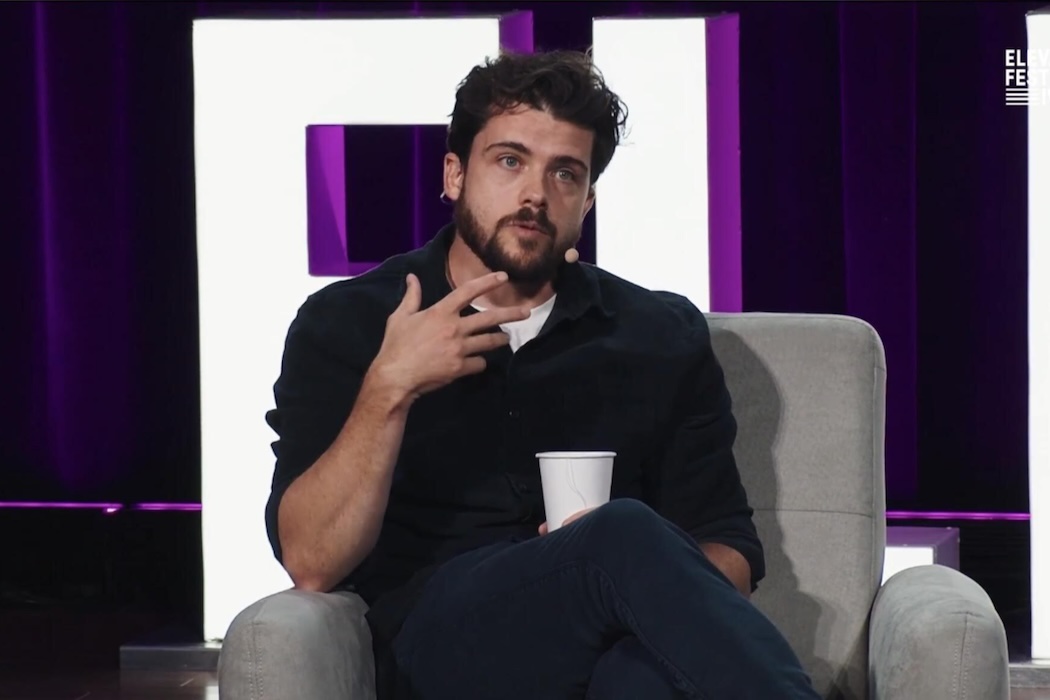
The distinction is worth copying. Before adding another feature, ask whether reaching its buyer costs too much. KOHO’s choices also had a human price: staffing reductions. Today, its published culture describes a fully remote company, shared ownership and high standards, with office-setup and training allowances. Those benefits describe what it offers employees; the restructuring shows the harder allocation decisions behind the mission.
The app goes to the post office
Then came a wonderfully unglamorous distribution idea. Canada Post launched its KOHO-delivered MyMoney Account nationally in March 2025. The partnership combines spending and savings features with access to cash deposits at participating post offices. A phone can display a balance beautifully. It cannot swallow banknotes.
For customers who handle cash, that physical connection matters. It also places KOHO in a market crowded with alternatives: Wealthsimple, EQ Bank, Neo, credit unions and the established banks. Different customers need different combinations of service, price and access. KOHO’s distinctive combination is prepaid spending, credit-history tools and short-term liquidity inside one app, with a postal partner supplying a physical doorway.
Under the screen, a different company
In May 2026, Interac announced KOHO’s direct participation in e-Transfer, giving it greater control over a service Canadians already know. June brought C$130 million in new capital at a C$1.33 billion valuation. The company is also pursuing a federal banking licence. The application process is a separate achievement from receiving approval.
“We have to out-build.”
Daniel Eberhard / June 2026
For now, partner institutions remain important. KOHO says opting into Earn Interest makes eligible funds eligible for CDIC protection up to applicable limits; the protection has conditions. Customers needing a branch counter or a completely unconditional free account should compare alternatives carefully. The larger lesson is pleasantly small: reduce a recurring money problem, show the price plainly, and let the customer keep score. KOHO’s next test arrives each time its fee does.