Koby Menachemi wrote a browser extension to fix something that bothered him. Within two days, he said, 30,000 people had downloaded it. Then came the less glamorous task: making the thing work in other browsers. Chrome was one environment; Firefox and Internet Explorer were others. An idea that had travelled quickly now had to be translated, maintained and coaxed into behaving. Software has a way of rewarding a useful invention with a second job.
That second job became Crossrider. Menachemi and Shmueli Ahdut built a platform so other developers could make extensions for several browsers without rebuilding each version from scratch. The useful discovery was larger than the original extension: plenty of people wanted to write software, and browser differences were making them repeat themselves. Ahdut became the chief technology officer. Menachemi became the chief executive.
The company’s public launch in June 2012 described a service built around JavaScript, a language web developers already knew. It included a development environment in the cloud, publishing tools, analytics and automatic updates. When a browser changed, Crossrider promised to handle the compatibility work. The proposition had a certain everyday appeal. Write the interesting part; let somebody else worry about which browser has decided to be difficult this week.
Before Crossrider, a chicken coop
There was an earlier attempt to help software cross a border. In March 2000, Menachemi co-founded Navicula with his brother Eran and partners Ofir Shachar, Eran Lagon and Doron Dovrat. The company worked on converting enterprise applications written in Visual Basic for use over the internet and intranets. Accounts and inventory programs were among the intended applications. Businesses could keep familiar interfaces while changing how their software reached people.
By January 2003, Navicula had 15 employees in a renovated chicken coop in Rishpon. Its financing total stood at $6.25 million. The poultry had made way for programmers, an arrangement that at least gave the office an origin story. More consequentially, the company had narrowed an expansive idea about a new internet language into a particular product for existing enterprise software.
Navicula supplies a useful starting point for understanding Menachemi’s later work. Both ventures addressed the distance between something a developer had already built and another environment where it ought to run. At Navicula, the distance lay between desktop applications and network delivery. At Crossrider, it lay between browsers. That resemblance is visible in the products themselves; it does not require imagining a master plan stretching across a decade.
The colleague who became the co-founder
Between those companies came Seeking Alpha, where Menachemi served as CTO and vice president of research and development. Michael Eisenberg helped bring him to the financial website. Menachemi recruited Ahdut there, and Seeking Alpha chief executive David Jackson encouraged the two to start a venture together. Their future partnership grew out of working on an existing business rather than meeting over an immaculate pitch deck.
That connection mattered beyond the founding pair. Oren Zeev led Crossrider’s early financing, with investors including Eisenberg, Gigi Levy and Tal Barnoach.
By the June 2012 launch announcement, Crossrider reported 7,000 developers and nearly 90 million end users. Its team had grown from two employees the previous July to 16. These were the company’s figures at that moment, before the sale and before its stock market life. They describe how quickly a developer utility could acquire an audience through the software built on top of it.
Twenty months, then a much larger cheque
In December 2012, Crossrider was sold for $37 million to Teddy Sagi’s business interests. The company had raised about $2 million. Contemporary accounts placed its operating start in April 2011, making the journey to acquisition roughly 20 months. At the time of the deal, it had 18 employees and about 14,000 developers using its platform. Reported extension downloads exceeded 216 million.
Downloads, developers and people are different measures. One person may install several extensions; one developer may reach many people. Even with that distinction, the numbers explain the attraction of the business. Crossrider sat beneath other people’s products. Every new developer could add another route to distribution without Crossrider needing to invent every application itself.
The sale did not immediately remove Menachemi from the daily work. After the deal, he was still working until two in the morning on a bug in a new version. His description of the buyer’s proposal was practical: “fit like a glove”. A transaction could change ownership while the next release still demanded attention. The code, with admirable indifference to the occasion, had kept its appointment.
A suit, a listing, and a different business
Crossrider reached London’s AIM market in September 2014. The flotation raised $75 million at a post-money valuation of about $250 million. Menachemi had moved to London with his family that summer, closer to major customers. At the opening ceremony he wore a suit and tie, an adjustment from the jeans and T-shirt of startup life. He admitted to feeling more excited than he had expected.
The business arriving on the market was broader than the original browser tool. Crossrider bought Ajillion and DefinitiMedia in May 2014, adding capabilities in mobile advertising. Its June 2015 investor presentation traced a progression from web applications into advertising technology, data analysis and mobile platforms. Developers still mattered, but the company was increasingly concerned with the economics of advertising distributed through their software.
Its audited 2014 results made the change tangible. Revenue rose from $14.8 million in 2013 to $71.1 million in 2014. The finance review attributed $47.8 million of the increase to organic growth and $8.5 million to acquisitions. Adjusted EBITDA reached $13.3 million. These were company results, rather than a valuation of Menachemi’s personal holdings, and they show the operating scale behind the market debut.
At year end, the company reported $76 million in cash and no debt. The flotation had supplied capital for the next stage, with mobile advertising central to the expansion plans. That balance sheet gives the listing another dimension: money available to develop platforms and examine acquisitions, alongside a share price for investors to watch.
The founder remained emotionally attached. He compared Crossrider with a third daughter. Yet the listed business had obligations extending beyond the founder’s affection: investors could examine revenue, cash generation and acquisition decisions. A public share adds a daily verdict to work whose consequences often take much longer to become clear.

The awkward power of a browser platform
Crossrider’s reach also carried responsibilities. Its software allowed developers to build advertising injection into applications, putting additional content into web pages. During Menachemi’s tenure, that ecosystem drew criticism over unwanted advertising and the conduct of third parties using the technology. In 2015, security concerns included adware built on Crossrider’s platform and the possibility of malicious actors exploiting advertising supply chains.
The company’s response included participation in Microsoft’s Clean Software Alliance. Its mobile executive Ran Goldi acknowledged the problem of bad actors entering the advertising chain while defending legitimate uses of the model. The tension belongs in the story because the same access that makes a browser extension useful can give it substantial influence over what a person sees.
For a platform builder, distribution creates a difficult question about control. The developer is a customer; the person using the resulting software bears its effects. Serving the first group well does not automatically settle the experience of the second. Crossrider’s advertising years make that distinction concrete, alongside the growth figures and acquisition prices.
“I’ve experienced firsthand how technology, even when guided by the best of intentions, can be misused to infringe on our safety online.”
Koby Menachemi · July 2023
Leaving, trying again, returning
Menachemi announced his intention to leave in early 2016, and his directorship ended on March 31. Ido Erlichman was appointed chief executive on May 31. The company’s subsequent move toward cybersecurity and its 2018 adoption of the Kape Technologies name therefore belong to a later management chapter. Menachemi founded the business that became Kape; the dates matter when describing what happened under each leader.
His next ventures took him into different markets. In June 2017, he co-founded Kapai with Ofir Kerker and Nadav Yaron, developing a recruitment platform based on recommendations and trusted social connections. The company ceased operations in August 2019. That shorter entry in the career record deserves its place beside the exit and flotation. Founding another business does not come with an agreement that the earlier result will repeat.
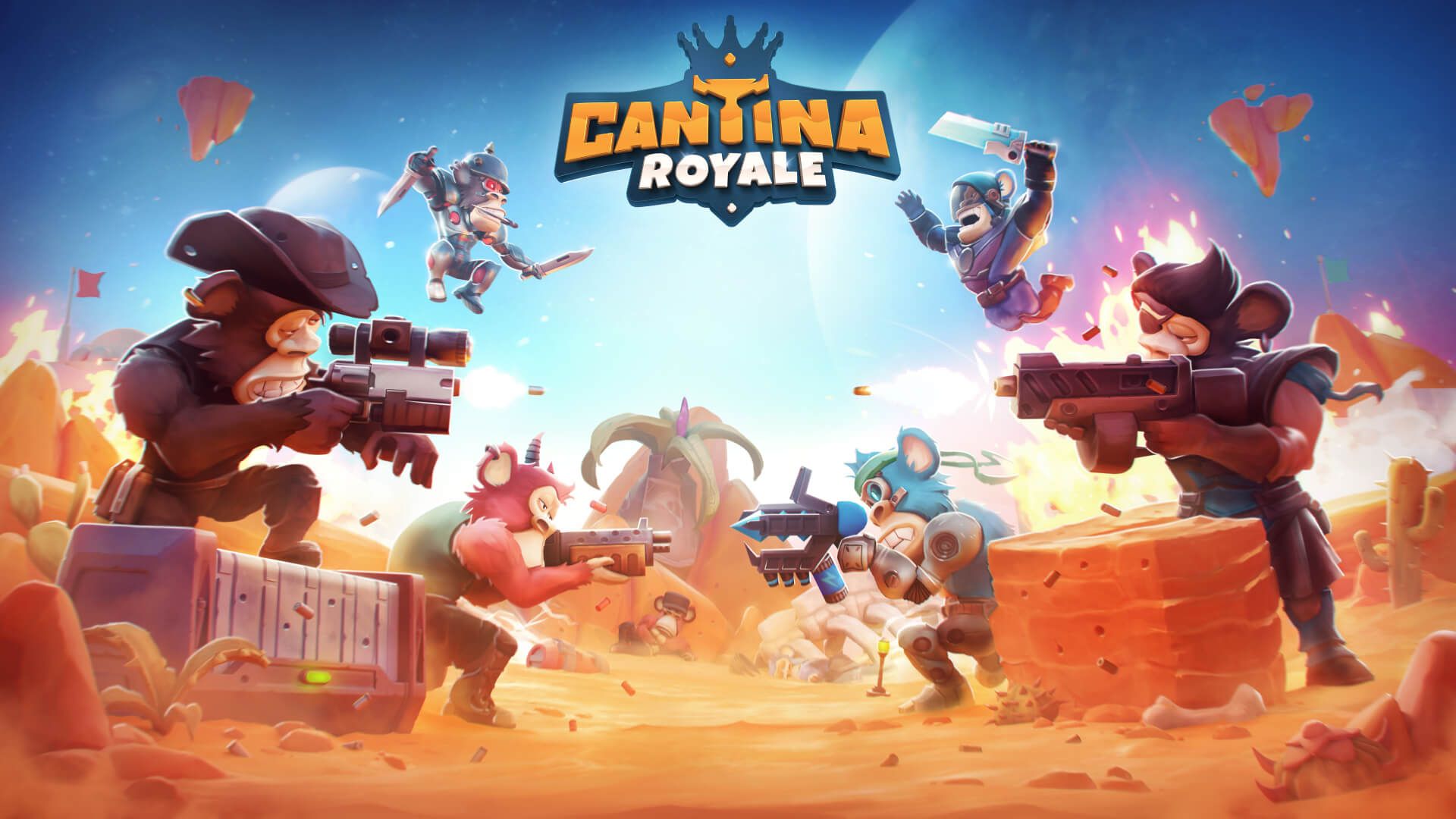
By the 2022 Cantina Royale launch, Menachemi was identified as a founder of both the game and Verko, alongside Daniel Sagi. The project combined a tactical action shooter with blockchain infrastructure. Verko’s proposed role was to handle blockchain interactions behind the scenes and make integration easier for game developers. The launch materials also identified Menachemi as Mobfox’s owner. Advertising remained part of his business interests while gaming supplied another setting for platform building.
In July 2023, Kape announced his return as a co-manager responsible for technology, alongside Ran Greenberg in marketing. Menachemi’s stated ambition was to contribute to online privacy and security. He spoke about technology being misused even when created with good intentions. Coming after the browser advertising chapter, that emphasis gives the return a particular weight.
Across these ventures, the recurring practical challenge is easy to recognize: help somebody make an existing piece of software useful in a new setting. Enterprise applications, browser extensions and games supplied different versions of the problem. Kape’s privacy business adds another responsibility to that history. Making technology easier to deploy is only part of the work. The experience of the person receiving it continues long after the developer has pressed publish.