In 2014, a woman named Jan was dying of cancer and had a perfectly reasonable complaint about cannabis: it would not behave. She wanted help with nausea, pain, appetite and anxiety. What she found was too strong, too unpredictable or required smoking. Her friends Jennifer Chapin and Amanda Jones noticed the absurdity. California was producing ingenious ways to get very high, while someone who genuinely needed the plant could not find a modest, dependable dose.
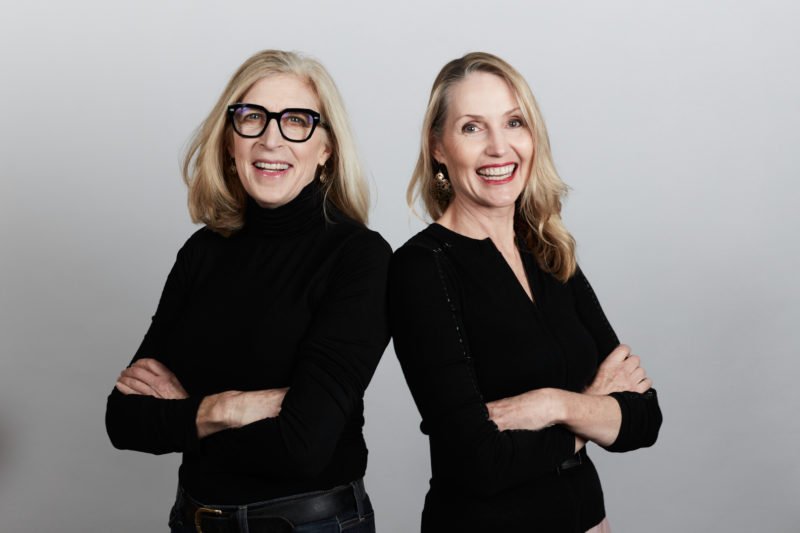
Chapin had built businesses. Jones had been an adventure journalist. Neither was the caricature the industry had built its retail counters around. They were occasional consumers in their fifties, watching peers reach for alcohol, Ambien and Xanax to get through sleep, stress and pain. Jan's experience gave the problem a face. In 2015 they put in $80,000 of their own money and started KIKOKO.
- What it does: effect-based cannabis and hemp teas, mints, gummies and tablets for sleep, calm, focus, energy, mood and play.
- Who it serves: adults over 21, especially women, wellness shoppers and people who prefer a known dose to cannabis theater.
- What it cost: $80,000 to start; an $8 million Series A followed in 2019. Current hemp gummies list for $25.
- What failed first: retailers dismissed the low doses and decorative tins, while the formulation passed through three science teams.
- The reusable idea: wrap an unfamiliar product in a familiar ritual, teach before selling and organize choices by the job the customer wants done.
01 / The difficult cup
A tea bag is a terrible place to hide a chemistry problem
Tea looked obvious only from the outside. It was discreet, calorie-light and familiar. A cup at bedtime did not ask anyone to adopt the costume or vocabulary of weed culture. But cannabinoids do not naturally dissolve in water, and a dose printed on a tin is useless if steeping produces a different result in the cup.
The research took two and a half years and went through three science teams. The task was to balance THC and CBD after the sachet met boiling water, then make that experience repeatable. Products finally reached dispensary shelves in 2017. The original range assigned a job to each blend: Tranquili-Tea for sleep, Sympa-Tea for relief, Sensuali-Tea for intimacy and Positivi-Tea for mood. Doses ran from 3mg to 10mg of THC, sometimes paired with CBD or CBN.
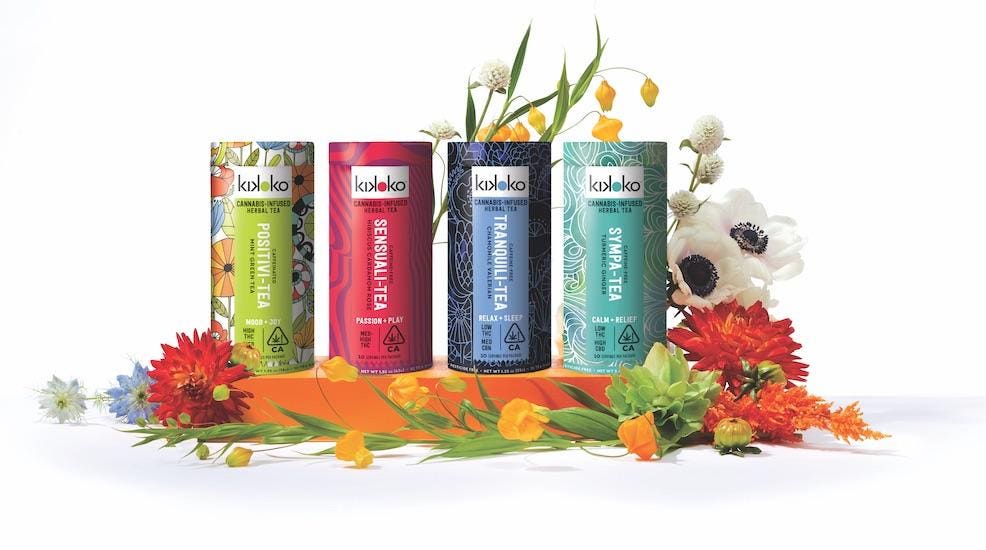
The precision was not merely technical ornament. It was the product. KIKOKO says it checks for pesticides, residual solvents, microbes and potency three times before the state-mandated test. The company publishes batch certificates. In a market haunted by the story of the brownie that ruined an evening, predictability has its own flavor.
02 / The first no
The market wanted potency. The customer wanted an exit ramp.
When the founders first carried their patterned tins into dispensaries, some buyers laughed. The packages did not shout marijuana. The doses looked timid beside products sold on maximum THC. It was a tidy demonstration of how industries misread their own edges: insiders compare a new product with what already sells, while outsiders compare it with what has kept them away.
“There is a growing number of women that don't want to get crazy high.”Amanda Jones, co-founder
KIKOKO changed the room before it changed the buyer. Chapin and Jones hosted high-tea gatherings for friends and focus-group participants. There were china cups, a short lesson on cannabis history and dosing, then a chance to try the tea among people one trusted. The founders described the model as Tupperware or Avon for cannabis. That sounds quaint until one sees its precision: the event removed the dispensary, the jargon and the lonely first decision all at once.
What changed minds was evidence. Women who had been wary of cannabis bought the product. By 2019, KIKOKO said it was carried by more than 300 licensed California retailers and delivery services. BDS Analytics ranked it the state's leading cannabis beverage for five consecutive quarters. Bengal Capital led an oversubscribed $8 million Series A, with distributor and supply-chain partner Flow Kana participating. The company said the round brought total funding to $14 million.
03 / One brand, opposite doses
The beginner's tea grew up and met the expert's tablet
KIKOKO's difference is easy to mistake for demographics. It is a women-founded company built around women, and that matters. Yet its more durable distinction is navigation. Instead of asking shoppers to decode strain names, the packaging begins with an intended experience: Sleep, Calm, Focus, Buzz, Boost, Energy. Cannabinoid amounts and functional ingredients sit beneath the promise.
The catalog widened carefully. Little Helpers added portable, sugar-free botanical mints. Tinctures supplied Day and Night formats. XTABS moved in the other direction entirely, from moderate effect-based tablets to packs containing 1,000mg in total, with 50mg per tablet. KIKOKO explicitly labels those products for experts. A brand born because the market was too strong now also serves people for whom 3mg barely registers. The contradiction is useful: reliable dosing, not small dosing, was the actual business.
A portfolio measured in milligrams, not mystique
Selected THC per serving, not a consumption recommendation. Effects vary. Adults 21+ should follow the label, start low and never drive after consuming intoxicating cannabis.
The business now has two regulatory lanes. California cannabis products move through licensed dispensaries and delivery services. Hemp-derived GoGo gummies and teas sell online to adults in the states KIKOKO lists as eligible. The GoGo range costs $25 per item on the current storefront and reprises the original effect language: Snooze, Calm, Play and Energy. It is ecommerce made possible by hemp rules, though hardly frictionless - shipping availability changes with state law.
04 / What the next founder can steal
Do not imitate the tea. Imitate the sequence.
KIKOKO's method travels better than its ingredients. It begins with a person poorly served by the category, then reduces every little tax that person pays: confusion, embarrassment, unpredictable effect and ugly packaging. Only after the anxiety is understood does the product appear.
Find the reluctant user
The richer question was not “Who buys cannabis?” but “Who might benefit and still refuses to shop?”
Borrow a safe ritual
Tea supplied familiar preparation, pace and social permission for a product that felt foreign.
Teach in company
High-tea events made education communal and let trust travel through existing relationships.
Name the job
Sleep, Calm and Focus are easier doors into a catalog than strain lore or a wall of milligrams.
There are conditions. This approach depends on a product whose effect is genuinely consistent, a ritual the audience already welcomes and enough margin to fund better ingredients, testing and patient education. KIKOKO itself says it is not for shoppers seeking the most THC for the dollar. The method also strains wherever cannabis rules block sampling, shipping or clear communication. Familiarity can lower fear; it cannot repeal a state code.
The company calls its first cultural rule “No Assholes.” Around 2020, its founders said roughly 85 percent of a 35-person staff were women, including people running science, operations and machinery. That bluntness suits KIKOKO better than the soft-focus wellness language around it. The enterprise is elegant, but not delicate. It survived chemical stubbornness, retail mockery and one of America's more exhausting regulatory markets.
In the end, the tea bag mattered because it was small. It asked for boiling water and several minutes. It supplied a number, a purpose and an ordinary domestic gesture. KIKOKO took a substance surrounded by bravado and made its first promise restraint. Then, once customers trusted the promise, it could sell them almost anything from a 1mg mint to a formidable tablet. The category saw weakness in the low dose. The customer saw control.
Explore KIKOKO