At Austin Subaru, the problem was a list. Thousands of customer records, each attached to a vehicle, a service history and a possible reason to return. Somebody had to call. Somebody had to email. Somebody had to keep the spreadsheet straight. The dealership was already servicing more than 4,000 vehicles a month, according to Kenect’s account. Being busy had become an excellent way to leave business unfinished.
- Start with the reply. Kenect’s review requests revealed demand for business texting.
- Follow the customer. Its platform now connects conversations with scheduling, payments and reputation.
- Count completed work. The useful measure is what a reply becomes: an appointment, a repair order, a resolved concern.
Kenect’s answer was to automate the outreach and let customers schedule through text. Its Austin Subaru case study reports out-of-warranty service retention rising from 8.5% to more than 50%. That is a striking vendor-reported result. It is also a clue to the company’s appeal: the customer had already arrived once. The neglected task was inviting them back.
Out-of-warranty service retention. Bars use a 0-100% scale; the second marks the reported lower bound. Kenect-published figures, not a controlled comparison.
The reply that changed the product
Kenect, founded in 2017 by Shaun Sorensen and Graham Anderson, began with online reviews and business listings. In a five-year retrospective, Anderson described a product that managed reputation across more than 80 review and listing sites. Text messaging was already the intended destination. What confirmed the route was the number of people replying to review invitations.
“We absolutely knew we were on the right track,” he wrote. A request intended to produce a rating was producing a conversation. Kenect developed a basic one-to-one texting inbox, then added the tools customers asked for. The roadmap followed the reply.
The company made existing business numbers text-enabled in most cases, added a website widget, then scheduled messages, templates and routing. Video chat, contactless payment options and broadcast messaging followed. The attraction was easy to understand. An employee could communicate through the business without handing over a personal mobile number, and another employee could see the thread.
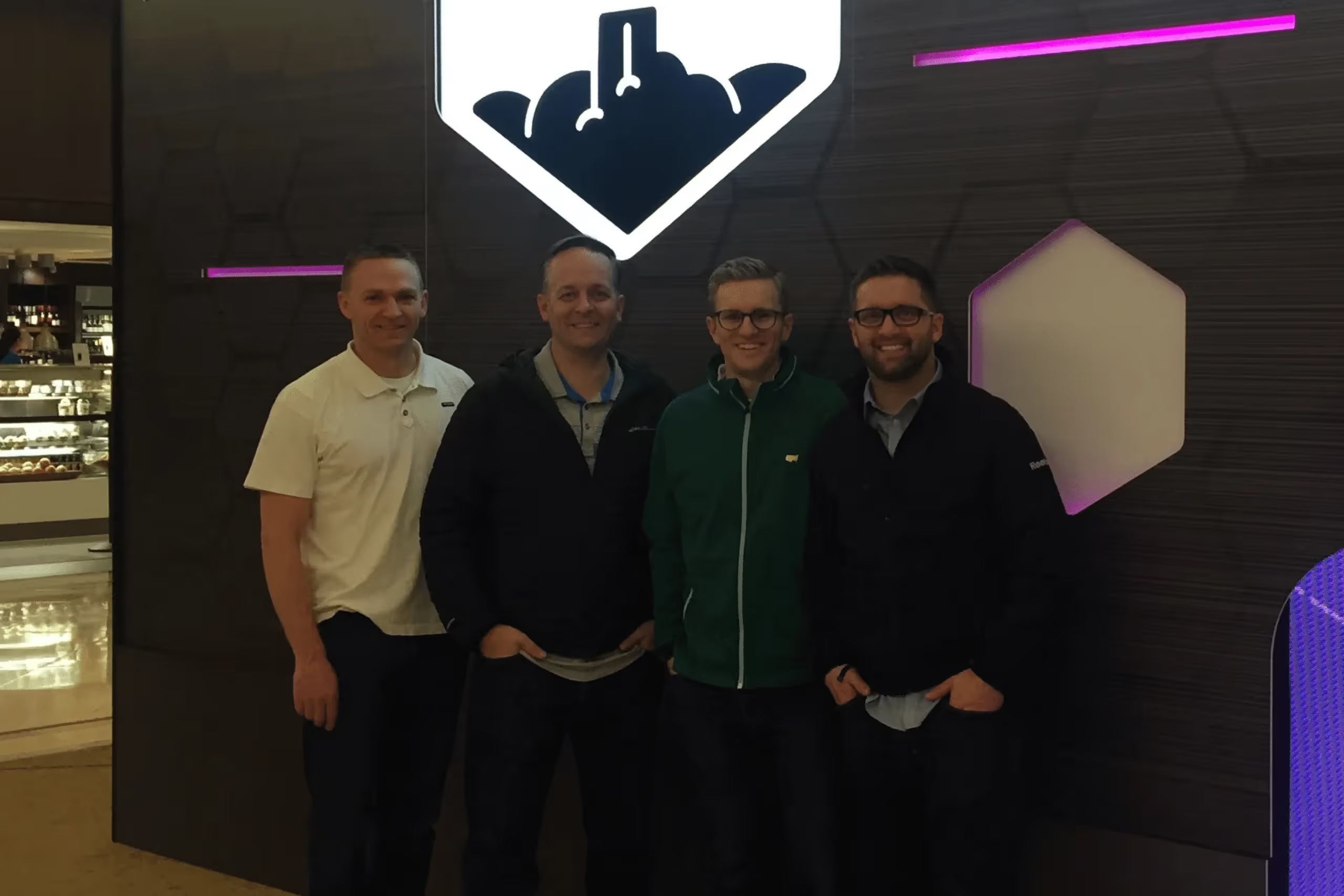
Buying its way into the service lane
The next chapter involved capital and acquisitions. River SaaS Capital announced non-dilutive funding in June 2020 to expand Kenect’s sales and marketing. Funds advised by PSG followed with a strategic growth investment in April 2021, intended to support product development, customer support and acquisitions. The amounts were undisclosed.
In September 2022, Kenect acquired Friendemic, which supplied online reputation and digital communication software to automotive and powersports dealerships and manufacturers. At that point, Kenect described its own customer base as nearly 6,000 businesses. Friendemic gave it more dealership expertise and a broader reputation offering.
The March 2025 acquisition announcement for Auto Labs went deeper into operations. It listed automated service scheduling, video multipoint inspection, recall mining and telephony among the capabilities joining Kenect. The logic was becoming plain: after helping a business talk to customers, help it act on what those customers need.
Reviews and digital communication for dealers.
Scheduling, recall mining and automotive AI.
Today, Kenect says it serves more than 10,000 dealerships across North America. Cars are central to the pitch, but its market includes equipment, powersports, RVs, marine businesses and outdoor power dealers. A motorhome and a lawnmower have different service manuals. Their owners can both be difficult to reach by telephone.
A database with somewhere to go
A dealership management system, or DMS, holds much of the information behind a customer interaction. Kenect’s integration catalogue includes Dealertrack, CDK Drive, Lightspeed and other dealer systems, alongside scheduling tools such as Xtime and DealerFX. The details vary: some connections synchronize contacts, others trigger texts or connect appointments. Buyers should examine the particular connection their store needs.
That is where Kenect fits in the market. It provides a communication and automation layer around dealer software. Its expertise is translating dealer events into customer contact: a repair order closes, an appointment approaches, a recall needs attention. A fluent message becomes more useful when it knows why it is being sent.
- 01Find the reasonA recall or overdue service in connected data.
- 02Start the conversationReach the customer and arrange the appointment.
- 03Close the loopSend updates, request payment, invite feedback.
Engage AI supports reminders, service updates and recall outreach. Voice AI is pitched for answering and routing calls, handling inquiries and booking appointments into connected calendars. The distinction matters operationally: outbound tools invite customers back; inbound tools help them get through when they contact the store.
The rest of the portfolio follows the same conversation. Website chat can start a text thread. Text to Pay sends a payment request. Reputation tools invite and manage reviews, gather private feedback and help with responses. Social publishing and a content library serve the marketing side. Kenect also lists managed services for reputation, publishing and conversations.
At Ancira Nissan, Kenect’s case study describes a busy service department struggling to follow up with thousands of customers without adding headcount. It reports more than 400 additional repair orders and over $100,000 in additional service revenue in a month. These are customer examples published by the seller. They explain the pitch; they do not establish what another dealership will earn.
The bill behind the promise
Kenect sells hosted software subscriptions, with products, bundles and scope set out in enrollment agreements. A 2022 dealer-program flyer advertised a texting marketing package at $3,960 a year, including unlimited messages, training and support, with no setup fees. That historical offer gives a sense of the earlier product’s economics. It should not be used as the price of today’s AI suite.
“It costs less than one agent.”
Cody Penna, Austin Subaru general manager, in Kenect’s case study
The useful buying question goes beyond a subscription fee. Which integration is included? Who configures the workflow? What happens when the customer needs a person? How are usage and additional services charged? Kenect’s terms allow packages and additional fees, and say successful deployment depends on customer cooperation and accurate information.
Podium, Birdeye, Reputation and Text Request offer overlapping alternatives in messaging or reputation management. Kenect’s dealership focus makes its service workflows and dealer integrations the sensible basis for comparison. A checklist that merely says “AI” or “texting” tells a buyer very little about how Tuesday afternoon will go.
Copy the follow-up, then count the work
The portable lesson is to begin with an unfinished interaction. Choose one: an open recall, an overdue appointment, a customer waiting for an update. Give that interaction a reliable path through the existing systems. Then measure whether the work gets completed. A reply rate is encouraging. A completed repair order pays for things.
There are practical limits to that logic. As an operational inference, better outreach needs accurate records, appointment capacity and a workable handoff to staff. A fully booked shop cannot turn every new reply into immediate service. A stale customer record can produce an impeccably worded message about the wrong vehicle. Automation increases the importance of getting those foundations right.
Kenect’s own evolution offers a useful standard for judging its present ambition. Customers answering review invitations helped confirm the texting product. Customer requests helped shape the features around it. The dealership AI version should be judged with the same attention to what people actually do next. The missed call becomes interesting when somebody finally answers.