There is a small, telling scene in Jason Archer's account of building an online master's program at Michigan State University. The first cohort met at Crunchy's, an East Lansing bar known more for burgers than instructional design. Later, Archer and his colleagues created Family Dinner, a low-key meal where graduates and their families could stand up, tell stories and mark what the degree had required of them. It was an intentionally physical ritual for a 100-percent-online program. Screens delivered the classes. Dinner made the community visible.
That choice contains much of Archer's operating system. Listen before designing. Invite the people served by an institution to help shape it. Build a useful structure, then add the human details that make people want to stay. In late 2024, he carried that system into a different world when he became chief marketing officer of Baker Hill, the Carmel, Indiana lending-technology company that serves banks and credit unions.
Loan origination, statement spreading and portfolio-risk monitoring rarely arrive with a family-dinner glow. Yet Archer sees a common problem beneath the jargon. Community institutions compete on relationship while wrestling with process. His job is to tell the story of technology that can shorten the process without thinning the relationship. His résumé makes the jump from classroom to credit desk look less like a swerve than it first appears.
A career drawn in switchbacks
Archer calls his professional journey nonlinear. The record agrees. He earned bachelor's and master's degrees in communication from Spring Arbor University, then worked there as an educational media designer from 2006 to 2009. He built rich-media systems, designed online courses and helped faculty find practical uses for emerging technology. It was an early apprenticeship in translation: the tool matters only when a person can use it to accomplish something.
From 2009 to 2013, he served as executive director of communication for Free Methodist Church USA. The assignment covered web, print, tablet and mobile work for a global nonprofit. He managed a distributed team and a budget of roughly $1 million, reorganized the department and oversaw a magazine redesign. His 2024 résumé reports that online engagement rose 352 percent and national-magazine viewership rose 57 percent during that period. Numbers were the proof, but architecture was the work: channels, teams and messages made coherent.
Next came iLendX, a San Antonio technology startup, where Archer was CMO from 2013 to 2016. He led marketing strategy, messaging and business-to-business expansion. His résumé says sales increased 65 percent over two years. That role also introduced a professional connection that would matter later: Andy Ivankovich, the executive Archer would eventually rejoin at Baker Hill.
Building a university program with its students
In 2016, Archer arrived at Michigan State to lead a new M.A. in Strategic Communication and serve as a professor of practice. Dean Prabu David supplied the initial question: what would it take for the university to become a professional-development partner to major employers? Archer became the implementer. A year of faculty meetings, market analysis and conversations with alumni leaders led to the program's first classes in January 2017.
The program was designed for working professionals, but flexibility alone was insufficient. Archer wanted students to be co-authors. In Washington in 2017, he interviewed a student near the Eisenhower Executive Office Building, then continued the conversation over coffee. Two ideas emerged: connect alumni for contract work and hiring, and give students areas of specialization. The original ten-course structure eventually became a core plus electives, with three standalone certificates. A chat with one student became a two-year curriculum project.
Relationships also pushed the program across borders. In 2018, a conference hosted by MICA in Ahmedabad opened a partnership between the Indian institution and MSU's College of Communication Arts and Sciences. Archer returned the following year, won a paper and presentation award and kept it in his home office. In China, he joined David and a faculty colleague on a trip through six cities in eight days. Those conversations matured into a formal relationship with the Communication University of China and work connected to Hainan.
The scale grew, yet Archer kept measuring the work through individual outcomes. He wrote that calls, messages and posts from students who earned promotions or changed careers gave the program its purpose. At its fifth-anniversary gathering, he said the rewarding part was seeing students win. He also delighted in the mild absurdity of finally meeting people in person after knowing them as rectangles on Zoom.
A familiar mission in a new vocabulary
By October 2024, Archer was preparing to leave MSU. His farewell essay is full of gratitude rather than grievance. He had taught in various forms since age 20, treasured the program's rituals and remained connected to its earliest students. The next role, however, reunited him with Ivankovich and offered a larger operating assignment. In December, Archer announced that he had joined Baker Hill.
His public explanation joined career logic with a television reference. A lifelong fan of The West Wing, Archer said he identified less with the fictional president than with chief of staff Leo McGarry, the person who helps a trusted leader turn intention into action. He had worked with Ivankovich before, admired how he built organizations and wanted to help community banks and credit unions hold their ground against larger institutions.
The first visible chapter of that work included a new brand and product story. In November 2025, Baker Hill published an announcement under Archer's byline for UN/FY, a platform combining small-business lending, deposit opening, data and AI-assisted insights. The language emphasized speed, verification and more informed decisions, but it returned repeatedly to trusted customer relationships. The marketer's challenge was to make a complicated system legible without pretending the software was the relationship.
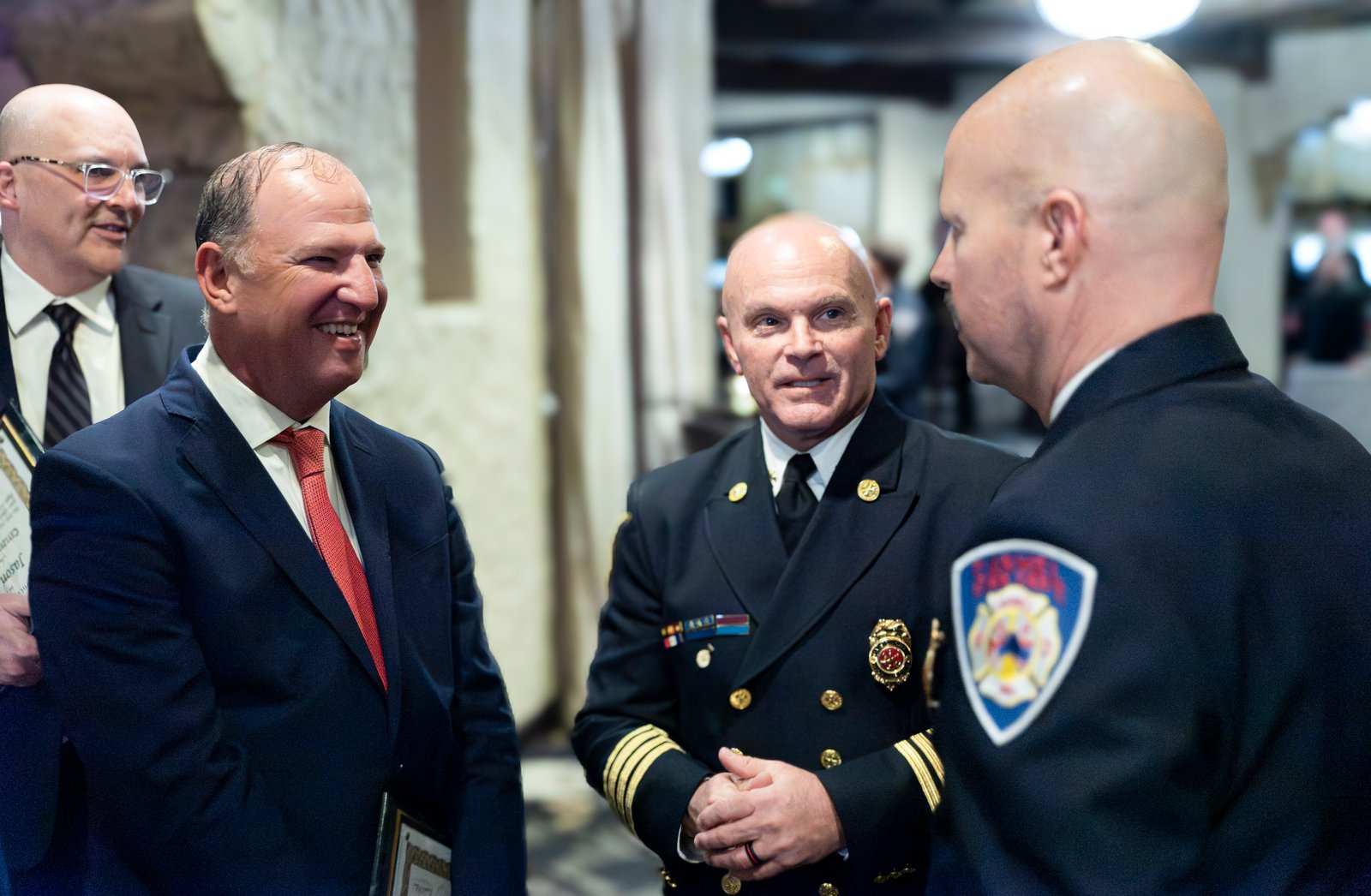
A different event tested the operator behind the messaging. During the Texas floods of summer 2025, Baker Hill helped arrange rapid transportation for Indiana Task Force One reinforcements. Archer coordinated logistics from the corporate side. In January 2026, he and colleagues were recognized at the Indianapolis Fire Department's annual ceremony. It was not a marketing campaign. It was the same old question under pressure: what system will help the right people get where they need to be?
The Archer playbook
Archer's public writing is earnest, occasionally sentimental and knowingly fond of pop culture. He is a husband, father, motorcycle enthusiast and Apple admirer. He writes about leadership and technology on a personal site called The Pursuit. The recurring aspiration is a life that leaves people and institutions better. That can sound grand until it is reduced to observable habits.
Research before rhetoric
The MSU program began with market analysis, faculty work and an alumni listening tour.
Let users co-author
Student conversations produced specializations, certificates and new alumni connections.
Give culture a calendar
Family Dinner turned a distributed online cohort into a community with a recurring ceremony.
Make machinery mean something
In fintech, workflow and data matter because they help local institutions serve real borrowers.
The most transferable idea is that scale and intimacy need not be enemies. A well-designed online degree can give working adults room to build relationships. A lending platform can automate document collection while leaving bankers more time for judgment and conversation. Neither result happens merely because technology is present. It happens because someone decides what the technology should protect.
There is another useful tension in his story. Archer is a strategist who repeatedly makes room for revision. The first version of the MSU program was allowed to become a second version after students exposed better possibilities. International plans changed when one proposed fit proved wrong, but the relationships created other openings. Even his own career plan changed when Baker Hill called. Adaptability here is not indecision. It is the discipline of holding the mission firmly and the method lightly. For leaders who confuse consistency with repetition, that distinction is worth keeping. A purpose can remain stable while the course list, company, medium or software interface changes around it.
Archer's career has moved through institutions that speak very different dialects: the university, the church, the startup and the bank. He keeps translating each one back into people, purpose and a process for getting somewhere useful. The work is less about finding one perfect lane than carrying a durable question from lane to lane. How do you build a system large enough to matter and personal enough to feel?
At MSU, the answer included a burger, a listening tour and a family dinner. At Baker Hill, it includes lending workflows, portfolio data and a community institution's promise that a customer will not become merely a row in a database. The vocabulary changed. The assignment did not.