Thirty seconds is barely enough time to make coffee. Multiply it by 600, however, and you have five hours. That is the arithmetic hiding inside one of IT IDOL Technologies’ more revealing projects: a system for checking the answers produced by AI agents. Each evaluation took 30–45 seconds. An uploaded spreadsheet could contain 500–600 questions. Suddenly, the exciting new intelligence had a very familiar problem. There was a queue.
- IT IDOL builds custom software and supplies engineering teams.
- Its AI work includes testing agents against expected answers.
- Buyers can commission a project or add developers to an existing team.
IT IDOL occupies the space between a demonstration and a system people can use at work. Its catalog includes application development, product engineering, mobile apps, data services, and AI integration. The interesting question is what happens when those capabilities meet an actual operating constraint. A spreadsheet full of slow questions turns out to be a useful place to look.
The commercial proposition is breadth: a client can buy help with the interface, backend, integration, and ongoing maintenance from the same supplier. Product discovery and prototypes sit alongside modernization in the service menu. IT IDOL therefore belongs in a buyer’s comparison of engineering providers. Its case studies help show the kind of work it undertakes; the assigned team, acceptance criteria, and contract determine whether that breadth becomes useful on a particular job.
The useful part is the checking
The evaluation platform was built for an analytics and AI consulting organization serving a biopharmaceutical enterprise. It compared outputs from agents such as Text2SQL and Text2Doc against predefined ground truth. Users could upload test files, choose environments, follow progress, and download reports. Configurable rules turned the comparisons into pass/fail results.
The company’s case study describes a Python and FastAPI backend, a React interface, and Celery background processing. Parallel execution helped handle the workload. Team permissions kept access organized. These are ordinary software components doing an unusually consequential job: making the behavior of generative systems inspectable before wider deployment.
5–7.5 hours if run one after another.
Illustrative arithmetic using the case study’s batch size and evaluation time. Not a measured platform runtime.The reported change was from manual, fragmented validation to repeatable checks and consolidated reports. The lesson for a buyer is practical: specify what a correct answer looks like, who decides whether it passes, and how the result will be recorded. Speed is useful once those decisions exist. Otherwise, automation merely produces uncertainty faster.
The ticket is only the beginning
Consider the airline passenger who has already bought a ticket. Now the flight must change. A refund needs processing. A document needs checking. IT IDOL’s published airline project concerns this less glamorous stretch of the journey. The team separated post-booking functions into services that could develop and scale independently, using Angular, Java, Node.js, Redis, and Azure.
The architectural aim was to let individual workflows change while preserving the wider platform’s stability. For a traveler, the intended benefit is self-service that keeps working when plans become complicated. For an operator, it is the ability to update one part of the system without entangling every other part.
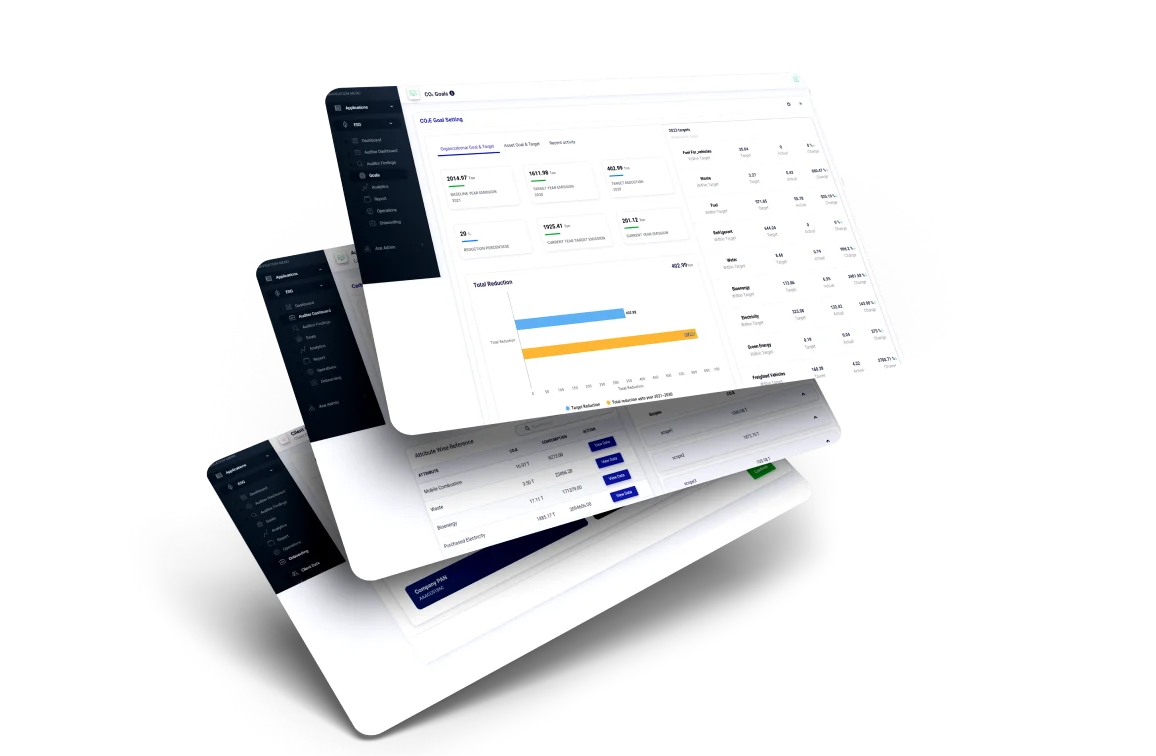
OnlyGood offers another view of the same engineering business. IT IDOL describes building carbon-emissions calculations, data-entry tools, dashboards, document handling, and Excel exports. The work connects inputs and emission factors to reports people can read. It puts some substance behind the broad phrase “digital transformation”: somebody has to make the numbers travel through the application correctly.
Sometimes the customer is another builder
Founder and CEO Deval Rathod’s company also serves other technology businesses. That detail changes how to read its place in the market. An agency can need extra capacity just as an enterprise can. The purchase might be one developer with a particular framework, a small testing team, or responsibility for a larger piece of delivery.

A GeekyAnts client interview describes development and testing support from two to five IT IDOL teammates. The reviewer praised their ownership, while also suggesting broader technology coverage. Linkage IT’s account starts with a WordPress developer and expands to a small team. These relationships make the company look like an extension of an engineering department, with the practical obligations that implies.
“We’ve been particularly impressed by the level of ownership they demonstrate.”
M Martin James Jebasingh, GeekyAnts
Client interview, February 2026
The economics need the same specificity. Public listing guidance puts the project minimum at $10,000 and hourly rates below $25. The supplier’s airline case on Techreviewer lists a $50,000-plus budget and four to six months. Those figures describe different scopes. A buyer still needs to price requirements, testing, revisions, and support together.
Try the working relationship
IT IDOL’s dedicated-team page advertises a five-day free trial. It also offers offshore development centers and build-operate-transfer arrangements, under which an operation is established, managed, and eventually transferred according to an agreed contract. The menu gives clients several ways to decide how much engineering responsibility they want to retain.
A useful trial would involve a modest real assignment, an existing codebase, and an agreed review. Watch how a developer asks questions. Inspect the handover. Notice whether a missed assumption surfaces early. Five days can reveal working habits; production reliability needs longer observation. That is a purchasing principle, rather than a promised trial outcome.
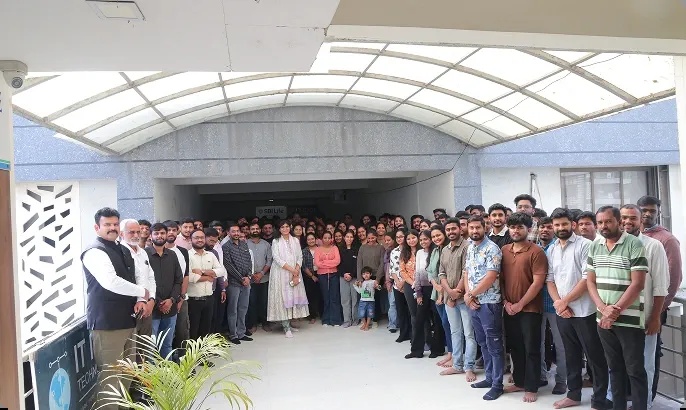
The company presents teamwork and continuous learning as values, and its careers gallery shows gatherings and sporting activities. Its public scale claims are larger than the small teams described in individual reviews: the homepage reports more than 300 clients. The meaningful unit for a buyer remains the people assigned to the work.
Custom development also needs a reason to exist. A standard requirement may be served adequately by existing software. A dedicated team needs someone who can set priorities and judge results. For work that does demand engineering, the copyable idea is simple: agree on a visible test of success before adding people. IT IDOL’s queue of questions is a good reminder of where that conversation can begin.