A subscription renewal is an excellent place to hide a software company. The customer clicks nothing. The payment goes through. Another month begins. Yet in a Soft Suave case study about an unnamed freelancer marketplace, this ordinary transaction had become troublesome. Renewals failed. Tax rules differed between countries. Support lacked an integrated way to handle subscription concerns. The interesting work began where the pleasant experience ended: behind the screen, among the exceptions.
- Custom software, AI applications, and embedded engineering teams.
- A development base in India serving international customers.
- A 40-hour developer trial advertised before onboarding.
- A majority stake acquired by KiwiTech in 2025.
A business built between the clicks
Soft Suave built microservice modules, connected APIs, and reworked subscription events for that marketplace. It added VAT handling and renewal endpoints. Such changes rarely produce a dazzling launch video. They do, however, address the mechanics of getting paid. My reading of the project is that familiarity mattered: an existing relationship gave the engineers knowledge of the systems they were changing.
There is another revealing example in the company’s logistics portfolio. A customer’s application struggled when millions of records arrived. Information came in inconsistent formats; performance suffered and users complained. The requested work combined better scalability with background data collection. A product can have a perfectly respectable interface and still buckle under the business happening behind it.
This is the territory Soft Suave occupies: custom software and the continuing engineering required to make it useful. Web and mobile development sit alongside modernization, cloud work, testing, and AI. Customers can commission a project or add people to an existing team. The company sells both the work and the capacity to keep doing it.
The customer page features testimonials from Phoenix Technologies, AMD Telecom, and Perkypet, alongside client logos including Poorvika and OfficeSpace. That mix helps explain why a single industry label is insufficient. The common purchase is engineering help. A retailer may need a customer-facing application; a technology business may need developers inside its own delivery process. Buyers should ask for references from the kind of engagement they are actually considering.
Buy a team. Keep the steering wheel.
Ramesh and Manohar Vayyavuru founded Soft Suave in 2012. Its delivery footprint includes Chennai and Bengaluru, with a sales presence in Maryland. The geography supports a familiar arrangement: engineers in India working on products for customers elsewhere. The details of how those people join the customer’s operation deserve more attention than the map.
On its hiring pages, Soft Suave offers a 40-hour free trial. A buyer can examine actual work and communication before onboarding. That is a useful purchasing idea. A small, real task gives both sides something more informative than an interview performance. Does the developer ask about the strange edge case? Can another engineer understand the resulting code?
- 01Share
requirements - 02Review
developers - 03Trial
40 hours - 04Onboard
and manage
Its FAQ says clients can direct dedicated developers and retain the source code. It also expects clients to clarify requirements and give regular feedback. The implication is straightforward: extra developers do not remove the need for someone who can decide what the product should do. Buyers should budget attention alongside money.
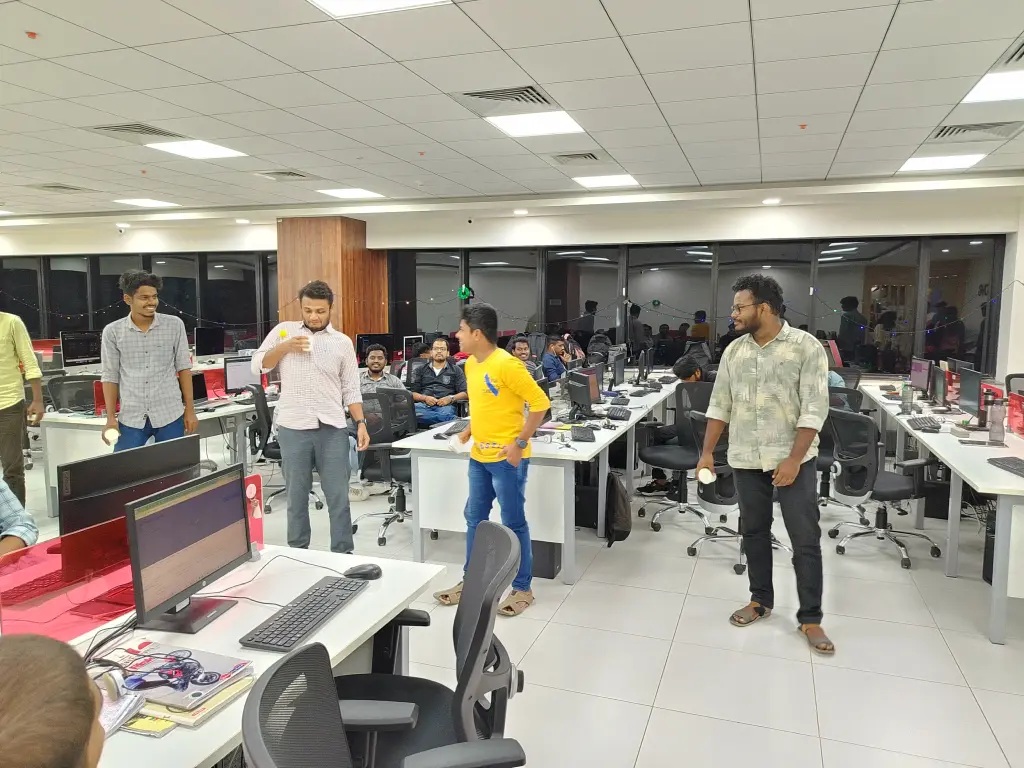
The company describes a workplace with autonomy, employee rewards, and social activities. Its anniversary writing uses the nickname “Soft Suavians” and celebrates a culture where “learning never stops.” These are the employer’s descriptions. For a prospective client, the practical question is whether the working team can explain decisions, share knowledge, and stay useful as requirements change.
The published technology menu is broad: React and Angular for web interfaces, Java and Python among backend options, Flutter and React Native for mobile work, and several cloud platforms. The useful question is which of those skills the proposed team has used together on a comparable project. A long menu is an invitation to ask for specifics.
The $14 hour and the larger bill
Selected developer pages advertise starting rates of $14 an hour. Treat that as the opening of a pricing conversation. Experience, responsibilities, duration, and team composition affect the final rate. Design, testing, infrastructure, and maintenance also need a place in the plan. An inexpensive hour becomes an expensive purchase if the task has to be done twice.
Advertised starting rate on selected developer pages. A starting point for a quote, not the cost of a finished product.
The Clutch listing supplies another perspective: a $25,000-plus minimum project and a most common reviewed project range of $50,000 to $199,999. Those figures describe different measures from an individual developer’s starting rate. They are useful reminders to compare complete scopes. The same listing’s review summary flags documentation as an area some customers wanted improved - a concrete item to put into acceptance criteria.
“Partnering with Soft Suave reduced our costs by 40% and increased our delivery speed by 20%.”
Dimitris Rokos, AMD Telecom
Company-hosted customer testimonial
AI meets the plant logbook
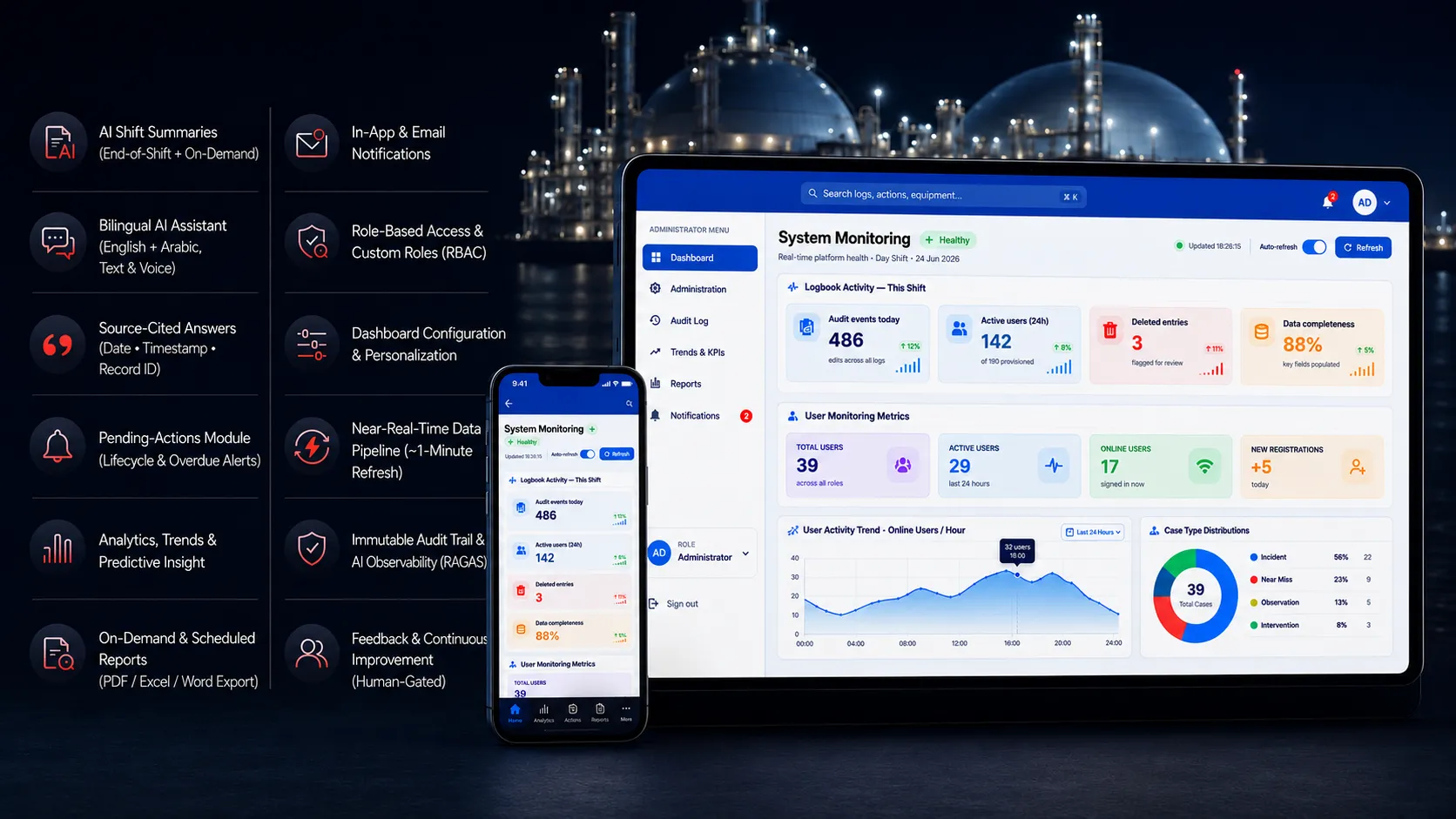
Soft Suave’s current pitch places AI near the center. Its ShiftSense case study makes that claim tangible. A Middle Eastern LNG producer needed to turn years of operational logs into useful handovers and answers. The plant worked in 12-hour shifts. Staff used English and Arabic. Its air-gapped network ruled out cloud AI.
The company describes an on-premises language model connected to retrieved records, with summaries and a bilingual assistant. Answers point back to dated log entries. The intelligence layer is read-only against source systems. These constraints give the project its character: useful answers must fit the plant’s information boundaries and preserve a route back to the underlying record.
A separate logistics project puts AI inside customer onboarding. The assistant checks setup steps and answers configuration questions using platform documentation. Soft Suave reports a 50% reduction in onboarding time and 40% fewer setup-related support tickets. These are company-reported results for that engagement. The transferable idea is narrower and useful: place assistance at the moment someone is trying to complete a task.
A larger circle, the same small details
In December 2025, Soft Suave announced that KiwiTech had acquired a majority stake. KiwiTech’s own announcement described an alliance joining its innovation ecosystem with Soft Suave’s engineering delivery. The stated logic was greater reach and capacity. That gives the company a different context from an independent development shop, while preserving the need to judge the actual team and engagement.
For a buyer, Soft Suave fits the space between hiring internally and handing a project to an outside agency. Its appeal depends on needing custom work and being ready to participate. A standard problem with a suitable off-the-shelf answer may not justify that arrangement. Start with the bottleneck you can describe, test a bounded piece of work, and specify the handover. A successful renewal, after all, should be wonderfully uneventful.
Keep exploring
Watch the customer conversations