A book has one awkward habit: it keeps answering the question its author chose. Patrick O'Shaughnessy wanted answers to his own. In an interview about his work, he described being frustrated by the imprecision of even good books when measured against a particular curiosity. An expert could take the follow-up. So, in 2016, he started Invest Like the Best.
- Free, long-form conversations about investing and building businesses.
- A professional investor's questions, available to anyone with headphones.
- The flagship show of Colossus, which also sells print and private audio.
That sequence matters. The show came before the media company. O'Shaughnessy was working in asset management; the microphone was a way to learn. By January 2018, an OSAM announcement reported more than two million downloads. Those downloads counted listening, not individual people. Still, the personal project had become something other people wanted to spend time with.
First the question. Then the company.
Colossus followed in 2020. In a 2024 interview, then-CEO Matt Reustle described a business that had grown without raising capital, and a founder encouraged by others to build around the audience. What changed was the interpretation of the asset. A podcast was already working. A network could make more things for the people who had gathered around it.
Today, Invest Like the Best sits alongside Business Breakdowns and Founders within Colossus. It remains an interview product: guests explain their methods, experiences, and decisions. The listener buys access with attention. Sponsors pay for a chance to reach that listener. The parent company supplies the publishing operation and offers other ways to keep learning.
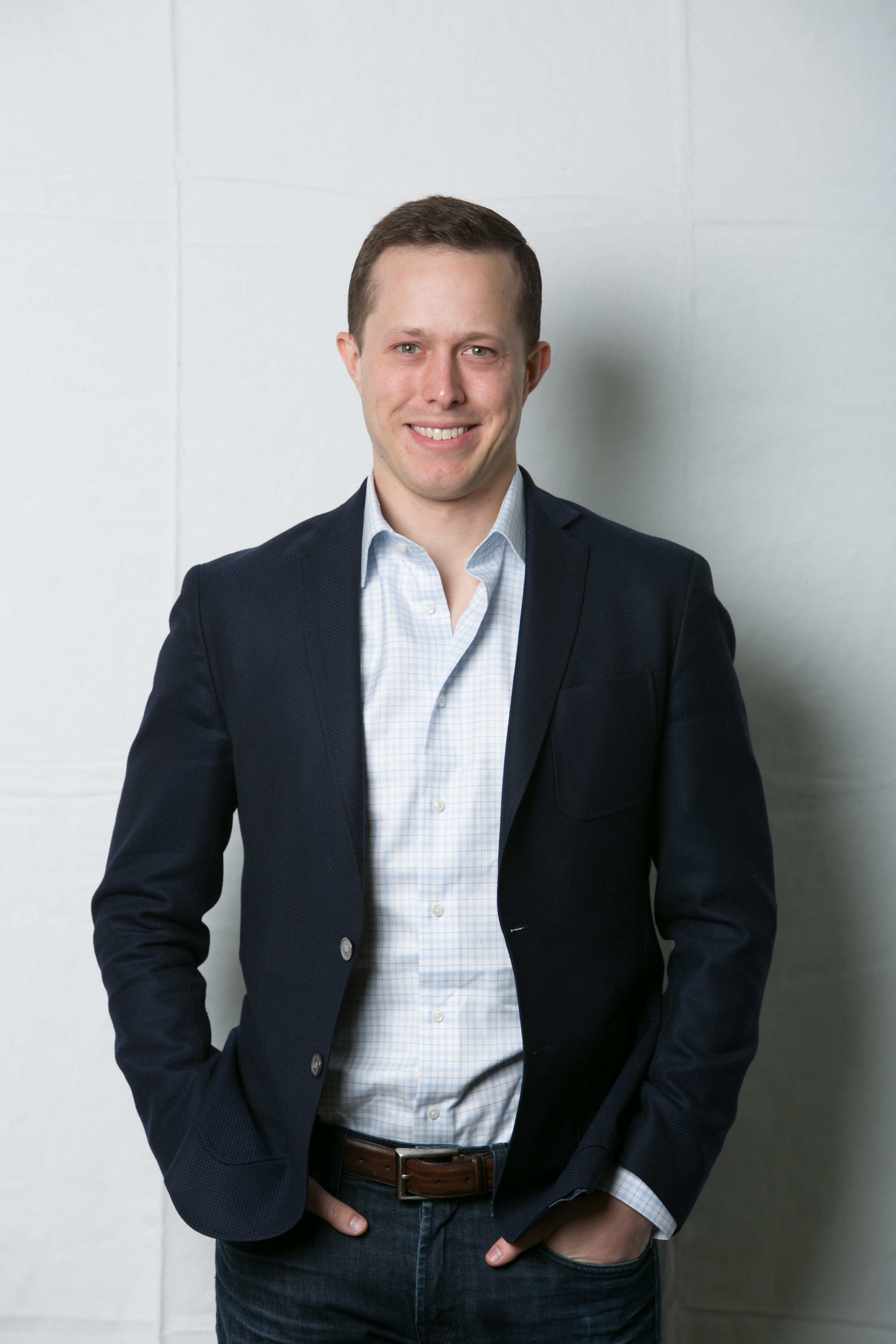
The guest list is only the beginning
Consider the archive. Instagram's Kevin Systrom and Mike Krieger discuss building products. Spotify's Daniel Ek discusses enabling creators. Josh Kushner discusses building Thrive Capital. Charlie Munger appears in a conversation conducted by Stripe's John Collison, recorded in 2022 and published in December 2023. The subject can be a portfolio, a product, or an institution. The recurring interest is how somebody made it work.
O'Shaughnessy's expertise includes professional investing; he is also the founder and CEO of venture firm Positive Sum. But the show's useful distinction is editorial. In the Compound interview, he says he enjoys conversations less when a prominent person approaches with something to promote, rather than when the booking grows from his own curiosity. A guest's reputation cannot do the interviewer's preparation.
There is a small, revealing example in his 2017 conversation with Motley Fool co-founder David Gardner. O'Shaughnessy introduces an approach opposed to his own value tendencies, then explores it anyway. Agreement is a poor admission requirement for a learning business. An investor can study a method without adopting it.
“Preparation and careful listening are everything.”
Patrick O'Shaughnessy's lesson list, 2017
An interview you can use twice
For an investor, these conversations can suggest questions to take into research. For a founder, they can expose a way to recruit, price, or design a product. A manager might hear a useful distinction about incentives. The problem being solved is ordinary: expertise is scattered, and the people who possess it are often unavailable to everyone else.
Listen to the 2020 Charlie Songhurst episode for a concrete example. The former Microsoft strategy executive discusses recruiting, differences among founders, and why apparently boring investments can succeed. Its show notes let a listener jump to recruiting rather than replay the whole conversation. The surrounding archive adds search and transcripts, with full transcripts available after login or registration.
- 01AskStart with a specific curiosity.
- 02ListenFollow the answer worth pursuing.
- 03ReturnUse notes and searchable text.
That makes the archive a product in its own right. Audio fits a walk or a commute; text fits the moment you need to recover an argument. The same interview serves two different jobs. For someone building a knowledge business, the practical lesson is to make retrieval part of the experience.
The people paying for the conversation
The show's stated audience includes professional investors, CEOs, entrepreneurs, and strategists. Current sponsor lists include Ramp, Vanta, WorkOS, Rogo, and Ridgeline. These companies sell tools relevant to businesses and finance. The commercial logic is legible: an audience interested in how companies operate can also be interested in software that helps operate them.
Colossus says it works with a limited number of partners across its podcasts, magazine, and network. Alongside advertising, its personal subscription costs $299 annually and includes four print issues, a private audio feed, and early access to selected content. That is a parent-company purchase. The public Invest Like the Best feed remains available without buying the magazine.
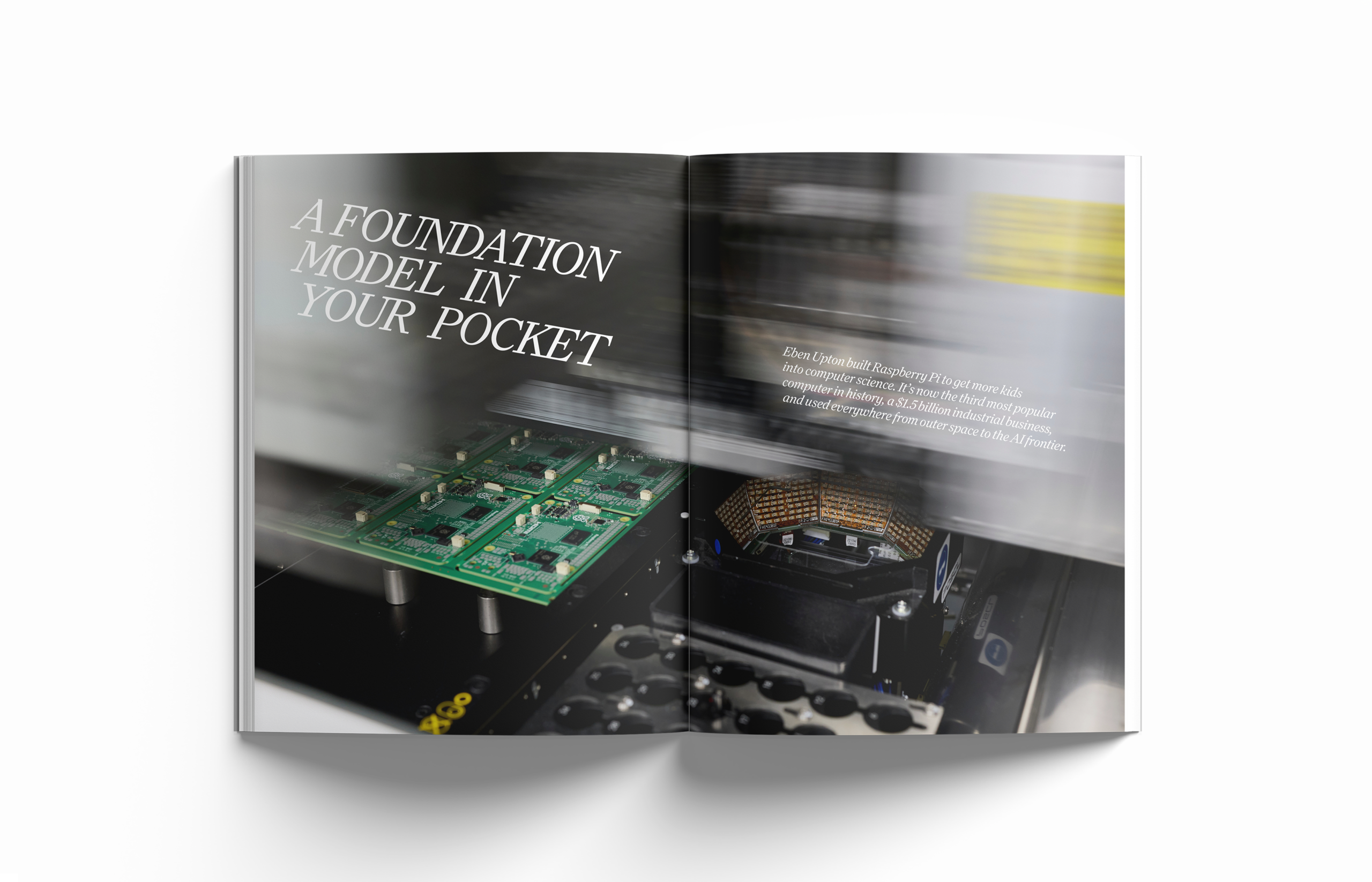
The words have to survive the microphone
One documented production problem was stubbornly practical. In January 2023, Colossus explained that its previous transcription provider struggled with accuracy when the audio was even slightly impaired. The team had changed providers in summer 2022, moving to Scribe. A searchable library loses much of its usefulness if the words are wrong. Making the conversation accessible required checking the machinery underneath it.
There is a broader limit, too. A successful guest's account is evidence about that person's experience, not proof that the same choices will work elsewhere. Access, timing, capital, and market conditions differ. O'Shaughnessy's professional relationships are part of the starting position. Someone copying the format still has to earn the conversation and ask questions worth answering.
Bring a question of your own
The alternatives help clarify the choice. Acquired builds extended company histories. Capital Allocators explores people and processes behind investment allocation. Invest Like the Best offers the encounter with an expert. In September and October 2026, its guests included Rogo's Gabe Stengel, Instinct's Noah Shinn, and neuroscientist Andrew Huberman. The investing label leaves room for software and science.
A useful way to listen is to write down your question first. Then extract one decision rule, identify its assumptions, and decide what you would need to test. This is a suggestion for the reader, not a promised outcome. The original impulse behind the show still works: find the person who knows something you want to understand, and give the next question some room.