Before Impact Hub Bucharest opened its doors in 2012, 70 people had already bought memberships. For a business selling a form of office life that was still unfamiliar in Romania, this looked encouraging. The awkward detail arrived later: only about 60% of those early supporters continued coming. An idea could fill a room with well-wishers. Keeping that room economically useful required something more demanding.
That small gap between support and habit explains much of the company that exists today. Its offerings span workspace, events, entrepreneurial education and startup acceleration. Each gives people a different reason to return, or a way to participate without occupying a desk at all.
- Test the room: build relationships before committing to a larger workspace.
- Sell several uses: memberships, private offices, meetings and events serve different customers.
- Let the knowledge travel: Startarium takes entrepreneurial education beyond the building.
Seventy yeses, fewer return visits
Oana and Vlad Craioveanu began with a 2011 pilot in a two-room apartment. Oana later put the furniture-and-plants bill at roughly €2,000. The subsequent hub required about €200,000, supported by an interest-free BCR loan and friends and family. The distance between those sums is the distance between testing demand and committing to it.
Vlad's account identifies recurring memberships and pricing as early difficulties. The team responded by renting space for workshops and conferences. An event organizer could buy the room even when a freelancer did not buy another month. This was diversification prompted by actual use, rather than a decorative business plan. A desk might be occupied one day; the same premises could host a different customer the next.
A building with several ways in
At Universitate, the published workspace inventory includes 80 open-space desks, 27 private offices and eight meeting rooms. Freelancers can choose flexible access; teams can take dedicated rooms; organizations can book meetings or events. Phone booths and lounges address the ordinary friction of shared work: calls, concentration and the need to step away from both.
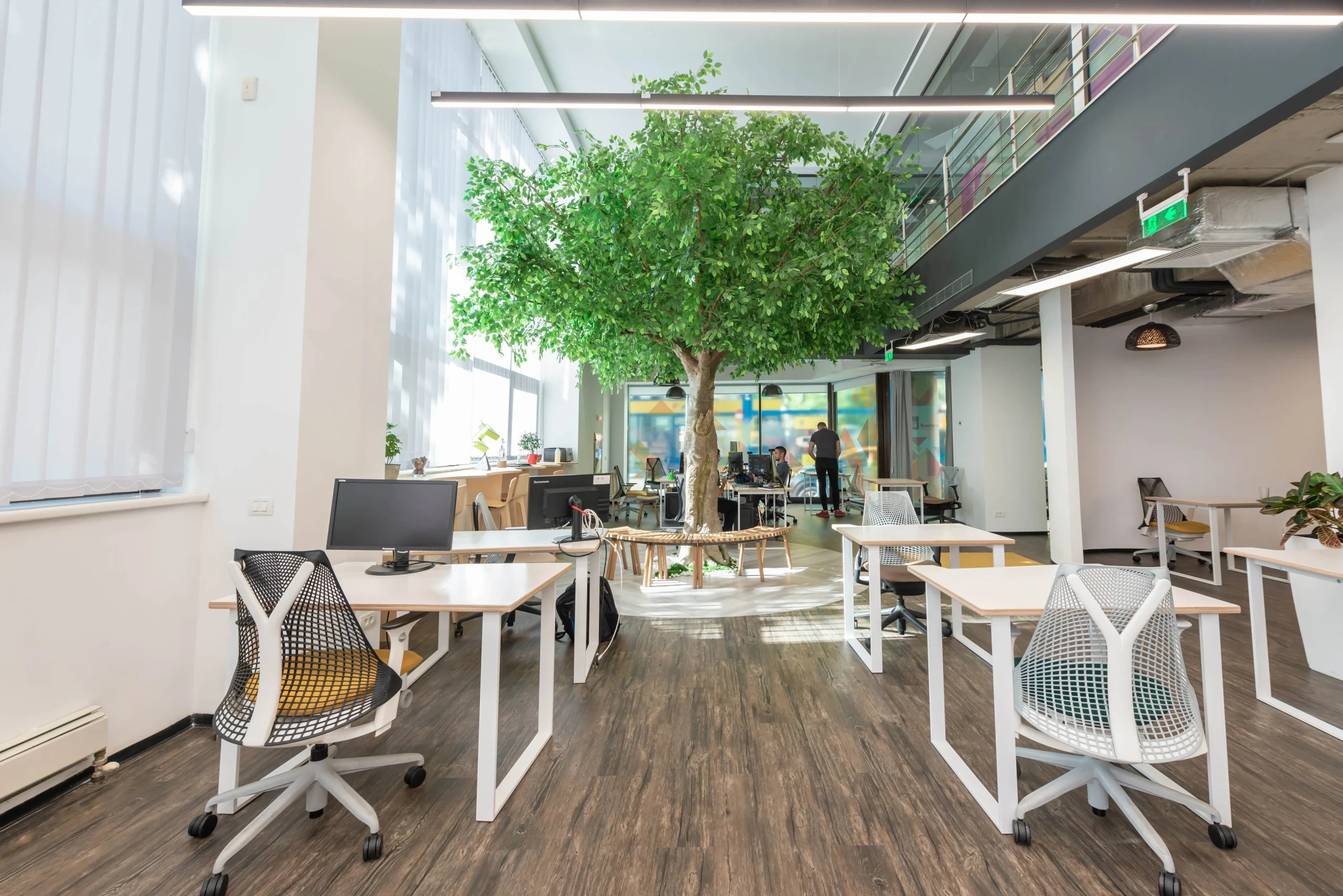
In an August 2026 pricing explanation, coworking director Cătălina Sandu cited €21 for a day. Treat that as a dated reference when comparing offers. The decision is practical: how often will you attend, which facilities will you use, and what help do you expect to find? A beautiful room becomes expensive surprisingly quickly if it sits outside your routine.
Mindspace also offers flexible coworking in Bucharest. Shared desks and meeting rooms therefore explain only part of Impact Hub's position. Its distinguishing proposition is the connection to structured entrepreneurial support. That combination matters most to someone who needs both working space and a route through unfamiliar business decisions.
The school that escaped the building
Startarium launched in 2016 with ING Romania. Its learning materials, business tools and expert connections let an entrepreneur participate from elsewhere in the country. The useful unit of expansion became a lesson or a tool, rather than another floor of offices. Someone wrestling with a business model could begin learning without first becoming a coworking customer.
Its tools include the Business Model Canvas and Lean Canvas, alongside resources on starting, running and growing a business. These make the offer tangible. A founder can examine customers, costs and assumptions before seeking advice. The platform gives that conversation a starting point, rather than leaving the mentor to untangle a charming but shapeless idea.
The company's 2023-2024 report records a freemium transition in 2024: free content remained, while subscriptions opened premium resources, mentoring and networking opportunities. The business model now combines rent and workspace access with education subscriptions and partner-supported programs. These activities reach different audiences and carry different costs.
A pitch is an opportunity, not a cheque
The 2024-2025 Impact Creators edition, run with PurposeTech, illustrates the program business. Selected startups paid €229 plus VAT for participation. The offer included bootcamps, learning resources and a possible investment of up to €100,000. Health, education and sustainability were its focus areas; eligible teams came from Romania and Central and Eastern Europe.
The terms explicitly said investment was not guaranteed. Travel and accommodation were separate expenses. This is useful precision: a founder can judge the learning and introductions against the fee without counting hypothetical capital as income. Preparation, eligibility and an investor's decision remain separate steps.
Startup Impact Lab provides another entry point, advertising up to six months of free coworking and two mentoring sessions for accepted startups, subject to space availability. Start Her Journey, launched in 2025 with Raiffeisen Bank and Philip Morris Romania, offered women founders training in branding, sales and AI use. Support takes several forms; choosing the relevant one is part of the work.
The city that changed the calculation
Expansion to Cluj exposed a different problem. Oana described a 1,200-square-metre site whose size and location had been poorly judged. A place that seemed conveniently close by car to outsiders did not fit local habits. The location closed. “We rushed to scale,” she said, in translation.
“We rushed to scale.”
Oana Craioveanu · translated from Romanian
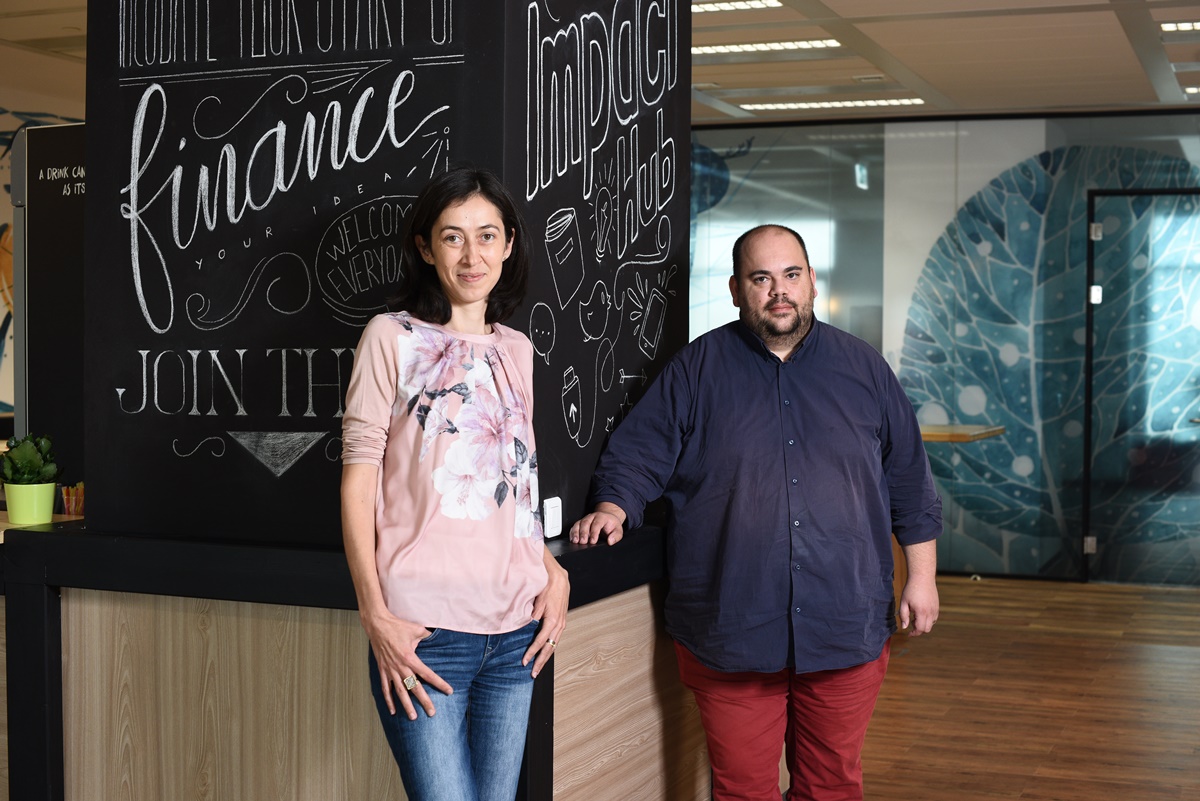
For anyone copying the model, the implication is uncomfortable and useful. Demand demonstrated in one city does not establish demand in another. Relationships, access and local preferences must be tested again. A community business becomes vulnerable when expansion assumes that the relationships will arrive with the furniture.
Start with the second visit
The transferable lesson is a sequence: gather people, test paid use, watch who returns, and add services around demonstrated needs. For a prospective member, reverse the questions. Do you need a desk, privacy for a team, feedback on a business model, or introductions? Start with that job. Then choose the room, resource or program that can actually help you do it.