A cemetery has an inventory problem. The inventory happens to be burial plots. There are invoices to issue, payments to collect, records to connect, and families whose digital memories need somewhere to live. In IKONIC’s portfolio, those requirements sit together inside one software project. It is an unexpectedly good introduction to a company whose service menu begins with familiar promises about websites and applications.
- The work: custom software, online stores, integrations and dedicated developers.
- The revealing detail: its portfolio reaches from shipping operations to digital legacies.
- The buying lesson: define the broken workflow before shopping for a development team.
The cemetery platform, as IKONIC describes it, brings plot inventory, invoicing, customer records and digital legacy features into a service with multiple subdomains. Stripe and PayPal handle payments. That list contains the central difficulty of business software: the business knows what each task means, while the developer must make the tasks agree with one another.
A very particular kind of inventory
IKONIC reports spending more than 5,100 hours on that project. Consider the number as a measure of stated effort. A page that looks simple to a visitor may depend on dozens of decisions about permissions, records and transactions. A button marked “purchase” is easy to draw. Deciding what becomes unavailable after someone presses it is where the work begins.
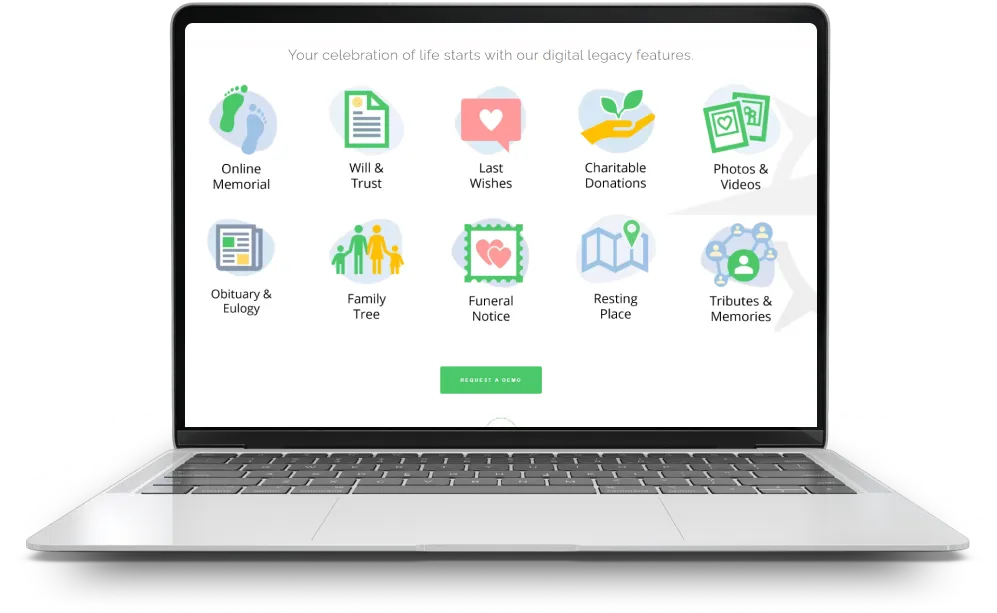
This is the useful way to read IKONIC. The company traces its operations to 2015 and sells development services to startups, enterprises and other organizations. Its range includes web applications, SaaS, ecommerce, testing and maintenance. Laravel, PHP, WordPress, Shopify and Node.js recur in its offerings. These are tools buyers can recognize; the portfolio shows the less obvious things those tools are being asked to do.
Where the work got stuck
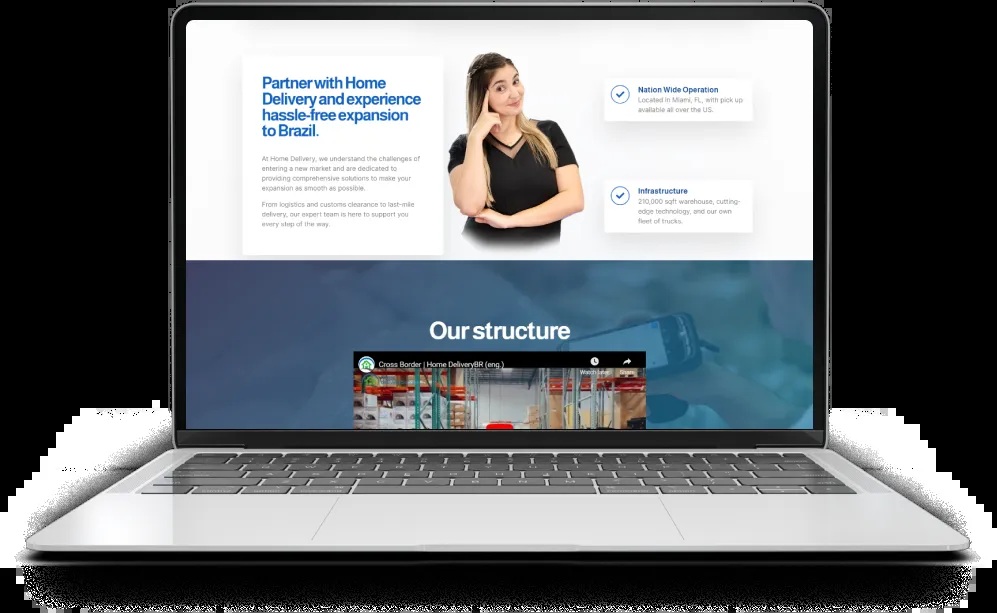
Home Delivery BR supplies the next clue. In IKONIC’s account, the logistics company’s manual processes obstructed deliveries and reporting, while limited carrier integration complicated shipping. The response covered automation, carrier connections, tracking, scanning, custom rates and order management. A shipping business needs these functions to share information. Otherwise, a digital order can still leave a human doing the connecting.
IKONIC lists Laravel, Vue.js, MySQL and PHP for the project, and reports more than 6,200 hours of effort. The interesting feature is the breadth of the operational brief. Reporting belongs beside shipping because managers need to understand what the operation is doing. Scanning belongs beside order management because a parcel’s movement must become a usable record.
Great News Media presents a related problem with different paperwork. IKONIC describes manual financial processes, expensive customer relationship software and awkward email campaign management. Its work connects financial automation, sales tracking and campaign data, using a stack that includes PHP, MySQL, WordPress, QuickBooks and APIs. The portfolio even includes Calgary community crime-statistics reports. Publishing, apparently, can make an unusually varied development brief.
Hours reported in IKONIC’s case studies. Effort, not elapsed delivery time or a comparison of productivity.
Sometimes the assignment begins with repair. AdriHome, a home decor retailer using WooCommerce, had malware, performance and hosting problems, according to its case study. IKONIC describes virus removal, speed improvements and hosting fixes. That changes the sensible starting point. A new visual identity would leave the underlying trouble waiting for the next customer.
Other projects concern access rather than transactions. LandScale’s brief addresses slow loading, difficult navigation and complex sustainability-data visualizations. On the Dot needed interface work, multilingual features, notifications and learning functionality. The common thread is an existing service that asks too much of the person trying to use it.
The price of another pair of hands
There are several ways to buy IKONIC’s help. Its main site offers custom projects and dedicated developers, with tasks broken down into timesheets and resources assigned to the scope. The Hire Ikonic offer adds a subscription route: its published monthly plan lists one developer at $4,000 and two at $8,000, with project management included. Those are advertised capacity prices, observed in October 2026.
The distinction matters when comparing proposals. Buying a month of development capacity and buying a finished system answer different questions. A buyer still needs to settle priorities, acceptance criteria, integrations and ongoing support. A fixed monthly bill makes budgeting easier to discuss; the team’s available time still has to meet the project’s demands.
“Initially, we agree on a convenient budget and stick to it.”
IKONIC’s stated “No Surprises” value
IKONIC occupies the space between assembling your own specialists and commissioning an outside team to handle delivery. Its practical distinction is the combination of platform work, custom operational software and repairs under one service offering. A company with a store today and an awkward back office tomorrow can, in principle, bring both briefs to the same supplier.
The service also depends on people doing more than writing code. IKONIC’s public posts show communication workshops and participation in leadership training. They also show an intern progressing to a developer role and families gathering for Mango Fest. The mangoes are a cheerful detail; the training is more relevant to a buyer. An outside team has to understand what a client means, ask useful questions and explain decisions. The company’s emphasis on collaboration is easy to claim. These activities at least show what it chooses to practice and celebrate publicly.
A brief you can borrow
A reasonable lesson from these projects is to begin with one recurring task. Follow a shipment, invoice or inventory change from start to finish. Identify where someone retypes information, waits for another system or fixes a predictable mistake. Then write down the result that would make the work better. That becomes a more useful brief than a shopping list of technologies.
This approach needs a client willing to explain its operations and make decisions. For a standard storefront, an existing product may already do enough. For a custom build, someone must own the records, approve behavior and plan for maintenance. IKONIC’s portfolio is most instructive at that point: the apparently ordinary details are where a business becomes a software specification.
For a buyer, a useful first demonstration would follow an ordinary transaction through the proposed system: create the record, change it, take a payment and find it again in a report. Include an exception, such as a canceled order or an unavailable item. That exercise gives both sides something concrete to discuss before the feature list grows. It also makes progress easier to judge than a screen full of attractive placeholders.