In 2020, the renewable energy developer Ignis had a problem that would sound familiar to anyone who has worked inside a shared folder. Too many people could get in. Documents could be edited too freely. Questions from prospective investors were becoming hard to track. The company wanted money for international expansion. First, it needed a better way to let strangers inspect the business.
- Ideals gives sensitive documents their own workspace, with controlled access and a record of activity.
- Its customers include deal advisers, investors, property firms and pharmaceutical manufacturers.
- The practical appeal is coordination: files, questions and permissions in one place.
Ignis chose Ideals, a maker of virtual data room software. According to the published customer story, it went on to complete a €200 million transaction and save at least an hour of work each day. That figure is a customer account, not a promise for the next buyer. Still, it reveals what the product is trying to sell: fewer administrative obstacles between a question and a decision.
A room with several different doors
A virtual data room is a controlled online repository. The phrase sounds pleasantly architectural. In practice, the room might contain contracts, financial statements, intellectual property records and spreadsheets that nobody wants circulating casually. During an acquisition or fundraising round, outsiders need to inspect those files. Different outsiders need different privileges.
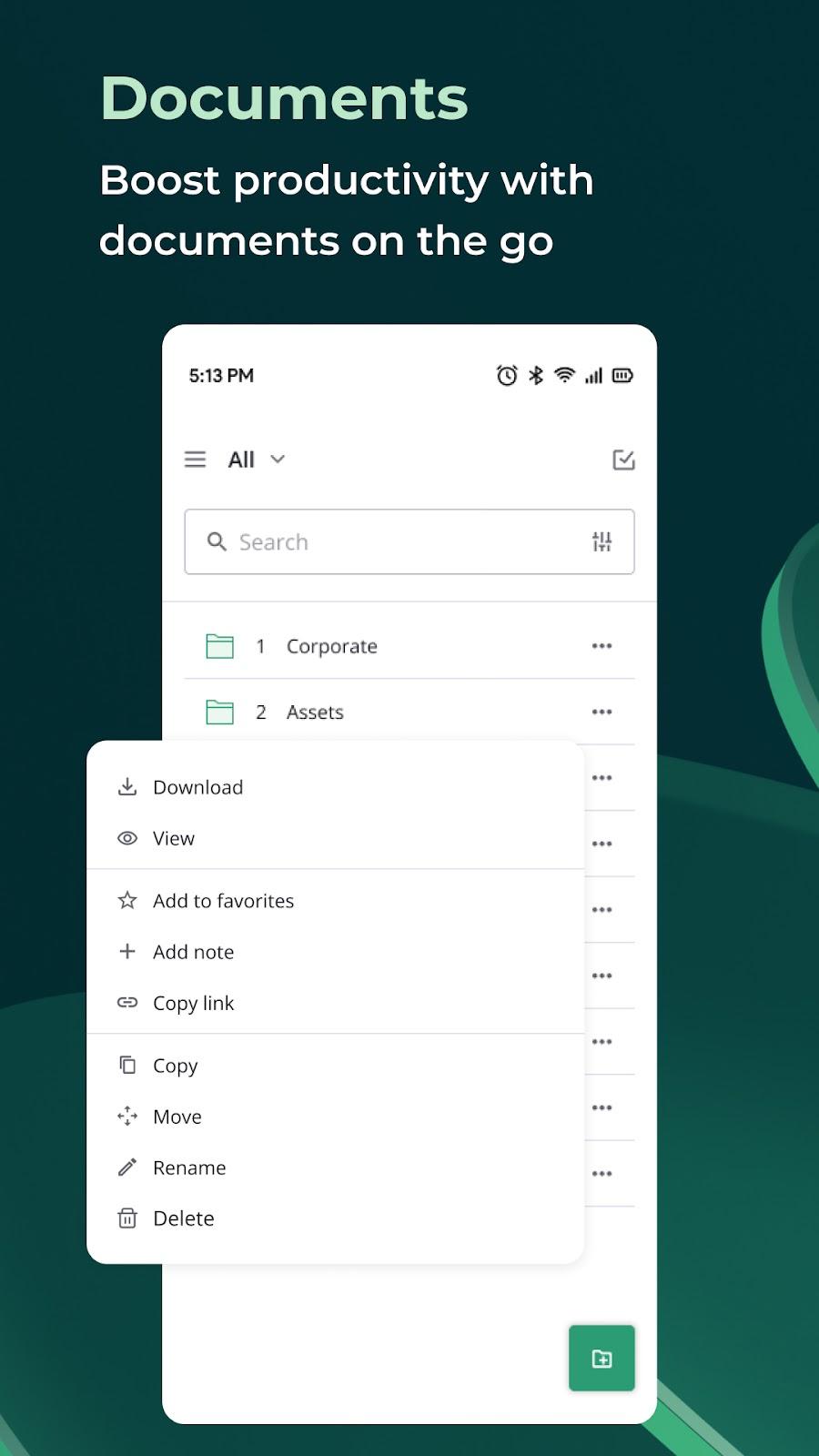
Ideals lets administrators organize documents, assign access, manage due diligence questions and inspect activity reports. Its platform advertises eight permission levels. Watermarks, restrictions on printing and downloading, and access expiry help shape what happens after an invitation arrives. The important unit is not simply the file. It is the relationship between a file, a person and a permitted action.
This puts Ideals in the specialist software market alongside providers such as Intralinks, Datasite and Firmex. Encryption alone is not a distinctive business. The buying decision also involves usability, service, disclosure controls and the bill. Ideals emphasizes an approachable interface, multilingual support available around the clock and storage-based pricing.
The factory inspection moves online
Consider a less obvious customer: Delpharm, a pharmaceutical contract manufacturer. When COVID-19 restrictions interrupted face-to-face inspections, its clients still needed to examine how medicines were made. The documents had to travel while proprietary knowledge remained controlled. Common file-sharing options did not give the team enough authority over distribution.
“leaving our documents out in the wild.”Hendrick Duquesne, Delpharm, on inadequate file-sharing controls
Delpharm selected Ideals after comparing providers. Watermarks mattered. So did preventing unauthorized printing and removing users when an audit ended. The case study reports 17 ongoing projects, with roughly 99% of its data room use devoted to audits. That percentage describes Delpharm’s usage mix. It is not a success rate.
of Delpharm’s data room use was for audits, according to the published case study.
The experience changed the company’s view of remote review. Having fulfilled audit responsibilities during restrictions, it renewed the relationship. The useful lesson is specific: when a visitor cannot enter the factory, a carefully controlled document process can carry part of the inspection. It does not turn software into an auditor.
The feature called “someone answers”
MARK, the real estate investment business, arrived from another direction. It had used virtual data rooms before and found the features useful. What disappointed its team was customer service. Its search therefore included something difficult to capture in a comparison chart: help that arrived when people needed it.
After moving to Ideals, MARK assigned an internal owner to each room and checked progress quarterly. It used separated permissions and Q&A filters to keep conversations organized. Those habits are worth copying even without buying the same software. Put a name beside each workspace. Review it. Know when the project has finished.
Service also helps explain the EthosData acquisition in 2024. Ideals presented the move as a way to expand in India through local expertise. Customer TVS Supply Chain Solutions continued with the team after the acquisition. The relationship joined an existing service connection to a different underlying platform, giving Ideals a route into a market through people customers already knew.
What goes on the invoice
Ideals sells subscriptions across Core, Premier and Enterprise plans. Core covers a single project with unlimited users; broader plans serve more complex transactions and portfolios. The VDR pricing model uses storage rather than page counts, with a quote tailored to the project. Buyers should compare the allowance, duration and services on that quote.
The distinction matters when the material is a mixture of spreadsheets, scans and presentations. Counting pages and measuring storage create different incentives. The sensible purchasing exercise is to test a representative document set and participant workflow during the free trial. A room full of tidy sample PDFs will not tell you everything about your own deal.
Now the assistant wants access
Co-founder and CEO Evgeny Sergeev leads a company founded in 2008 that now reports more than two million users. Its remote-first team works across countries. The product family also includes Ideals Board, which handles agendas, board packs, voting and meeting records. The common territory is sensitive information around consequential decisions.
More recently, Ideals has added AI redaction, translation and intelligent search. Its MCP connection lets compatible assistants, including Claude, ChatGPT and Copilot, work with the data room. The company says those actions follow existing permissions and appear in an audit trail. That makes the old access question newly relevant: what exactly may the assistant do?
For everyday internal file sharing, this machinery may be unnecessary. For an investor review or an external audit, its usefulness depends on accurate documents, sensible permissions and people who follow through. Ideals can organize the exchange. The reader can copy the discipline: give every room an owner, every participant a deliberate role, and every sensitive question a place to be answered.