Consider the space between a tub of protein powder and the person who buys it. In a supermarket, that space contains a shelf label. At Herbalife, it can contain a conversation, a neighborhood club, a fitness challenge and another conversation next week. For a company that began in 1980, the interesting innovation is still the person standing beside the product.
Mark Hughes started selling nutritional products from his car in Los Angeles, according to the company’s account. Herbalife now reaches more than 90 markets. Its 2025 net sales were approximately $5 billion. That journey raises a useful question: how much of a nutrition business is nutrition, and how much is the machinery that helps someone keep showing up?
- Shakes, supplements and sports nutrition travel through independent distributors.
- Personal support is the selling proposition; distributor profitability needs separate scrutiny.
- New personalized products are testing what this familiar network can deliver.
A person beside the powder
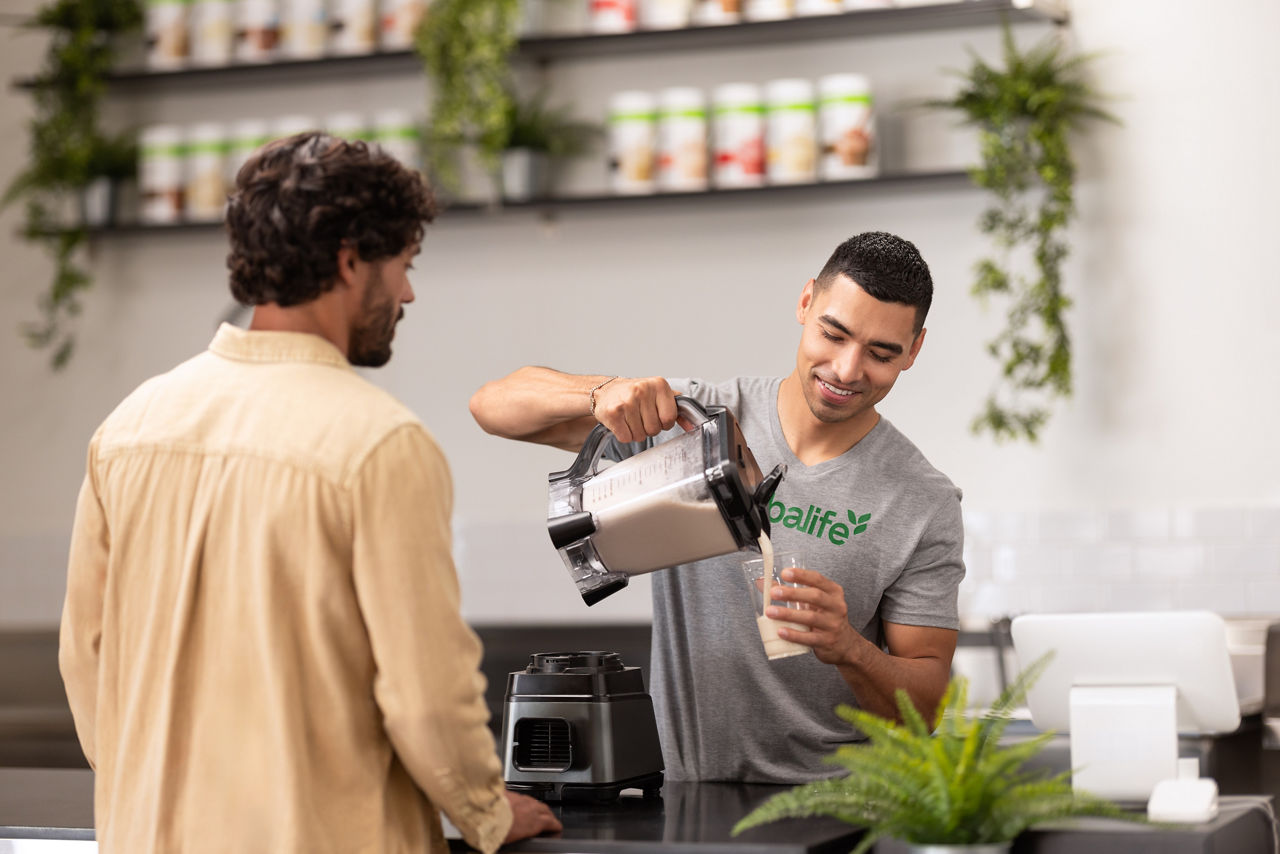
Herbalife calls its approach the “Distributor Difference.” Independent sellers provide product guidance, regular contact and community. Some operate Nutrition Clubs: physical locations where customers consume products and join activities. These are independently run businesses, rather than branches of a conventional company-owned café chain.
The appeal is easy to understand. A customer seeking convenient nutrition or a more consistent routine gets someone to ask questions of. A seller gets repeat opportunities to serve that customer. The relationship can be useful without proving that the product produces better outcomes than alternatives. Those are different propositions, requiring different evidence.
The product is also a routine
The cupboard is extensive. Formula 1 meal-replacement shakes sit alongside protein additions, bars, teas, aloe beverages, vitamins and personal care products. Herbalife24 addresses sports nutrition, including hydration and recovery. Specific products carry NSF Certified for Sport certification, a meaningful testing distinction that should not be confused with proof of weight-loss results.
For the customer, convenience is tangible: a measured preparation, a portable product, a repeatable purchase. Products vary by market and formulation. The broader proposition combines that convenience with human follow-up. It occupies the intersection of packaged nutrition, direct selling and community-based support.
Herbalife’s annual filing names Amway, USANA, Nu Skin and Medifast among its direct-selling competitors. A supermarket or online supplement seller offers another route to the same broad needs. Herbalife’s argument for its channel is the service surrounding the purchase. Whether that service earns its cost is a judgment customers can make from their own experience.
The $54.95 question
There is another customer in this story: the person evaluating Herbalife as a business. Its U.S. earnings disclosure for 2025, published in June 2026, lists a $54.95 starter kit and says no additional purchase is required. An entry fee, however, says little about the eventual cost of finding customers, running a location or spending time selling.
The same disclosure says most distributors joined for a product discount and did not sell or recruit. Among roughly 47,000 earning in a typical month, about 6,000 were first-year distributors. Half of that first-year group earned more than $166 in a month, before expenses. The population and the time period matter: this is neither a salary nor a prediction for everyone who signs up.
An entry fee tells you how to start. It cannot tell you what you will keep.
A practical reading separates personal consumption, retail activity and building a sales organization. Buying something at a discount is one decision. Running a profitable business is another, with an expense ledger attached. The distinction belongs near the beginning of any conversation about opportunity.
The $200 million correction
In 2016, the Federal Trade Commission alleged that Herbalife’s U.S. compensation structure rewarded recruitment-driven purchases rather than genuine retail demand. Herbalife agreed to pay $200 million for consumer redress and restructure U.S. operations. It neither admitted nor denied the allegations.
The correction tied compensation more closely to verified sales to end users. For anyone studying distribution, the lesson is specific: a growing network does not by itself establish healthy customer demand. Incentives must reward what the business ultimately needs. Here, a regulator required the change; it was not simply a voluntary change of heart.
Personal gets a new meaning
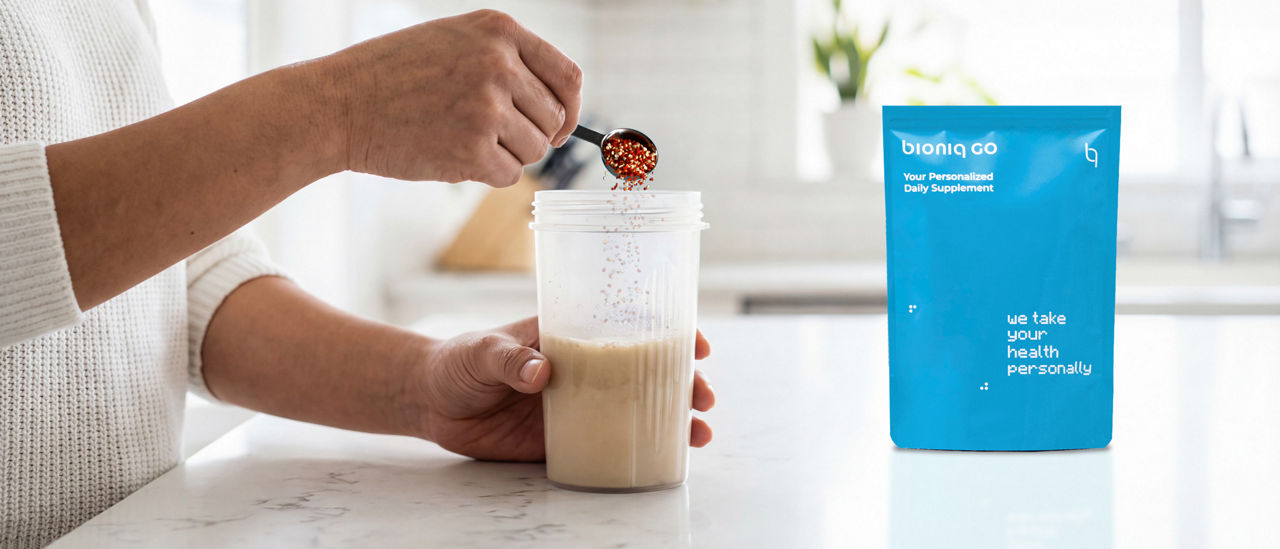
Herbalife is now adding a technological interpretation of personal service. In 2025, it acquired Pro2col assets and other capabilities to support personalized wellness. In April 2026, it acquired substantially all the assets of Bioniq’s core personalized nutrition business for $55 million in base consideration, payable over five years, with additional performance payments possible.
By its August results announcement, Bioniq GO had launched in eleven European markets and the United States, matching customers to one of forty formulas. The company also reported a limited beta of an at-home blood-test diagnostic. A rollout and a beta describe what was introduced; they do not establish that the strategy improves health outcomes or distributor profits.
The commercial progress is measurable. Second-quarter 2026 sales reached $1.327 billion, up 5.4% year over year, while the company recorded a $26.3 million net loss attributable to Herbalife. Growth and profitability can move differently. One quarter cannot settle the merits of an acquisition strategy.
The established network gives new products a route to customers without starting the entire sales process from scratch. That is the strategic attraction. It also leaves the old operational questions intact: whether distributors can explain the offer clearly, whether customers see enough value to reorder, and whether new complexity makes selling easier or harder. Personalization may change the contents of the package. The service still has to happen one relationship at a time.
What survives the handoff
Leadership is moving too. Herbalife announced that CEO Stephan Gratziani will leave the role October 31, 2026, become a consultant and refocus on his distributorship. John DeSimone is scheduled to become interim CEO November 1. As of October 22, the handoff is still ahead.
The useful idea to borrow is regular follow-up around a repeatable product. It depends on customers valuing the service, returning voluntarily and leaving enough margin after expenses. It struggles when participation is mistaken for demand or encouragement for income. After forty-six years, Herbalife’s next test still begins across a counter: does the customer come back, and does the seller benefit when they do?