Put a finger on Nu Skin’s Prysm iO and wait 15 seconds. The little circular scanner produces a score reflecting carotenoids in the skin. For a company whose business depends on explaining beauty and wellness products, that is an appealing opening line. A number gives two people something to discuss. It also gives them a reason to meet again.
- The product: skincare, supplements and devices that make daily routines more structured.
- The engine: personal selling, digital ordering and repeat purchases of compatible products.
- The test: whether a measurable experience can help reverse falling sales.
01 / A demonstration that fits in your hand
Nu Skin began in Provo in 1984. Blake Roney, Sandie Tillotson, Steve Lund and Nedra Roney were selling personal-care products from a home operation. The corporate story remembers customers bringing containers to be filled with a spoon. A later newspaper retrospective remembers founders peeling other labels off bottles by hand. Before the international network came the unglamorous work of getting something into a customer’s hands.
The first bottleneck was decidedly physical. By 1991, the growing company was using 11 warehouses around Provo. Lund later described inefficient operations and inadequate distributor support. A consolidated office and distribution center followed in 1992. Personal selling could expand faster than the machinery supporting it.
Demonstration remained central. Today, the company sells through independent affiliates and digital channels in nearly 50 markets. People seeking home skincare and nutritional supplements are its audience; some customers also become sellers. Its expertise spans topical formulations, nutrition, device design and the training needed to explain a product face to face.
Prysm iO extends that habit into measurement. Its U.S. consumer launch, on April 2, 2026, carried a $375 price. An optical fingertip scan estimates skin carotenoid levels; the companion app records scores over time. Nu Skin connects that experience to supplements including LifePak. The commercial appeal is straightforward: a customer can return with a question about a changing number.
A general wellness measure. Not a diagnosis.
The boundary matters. Carotenoids are a specific measurement. A score cannot establish everything about someone’s health, or prove that a supplement prevents disease. The app’s own description excludes diagnosis and treatment. Customers can use the device to follow a narrow signal while keeping that signal in proportion.
02 / The bathroom cabinet has a business model
Consider LumiSpa iO, introduced in 2022. The facial cleansing device pairs with Nu Skin’s Vera app, which offers coaching, customizable routines and usage tracking. There are different treatment heads and compatible cleansers. The device purchase begins a relationship with products that run out, wear out or invite replacement.
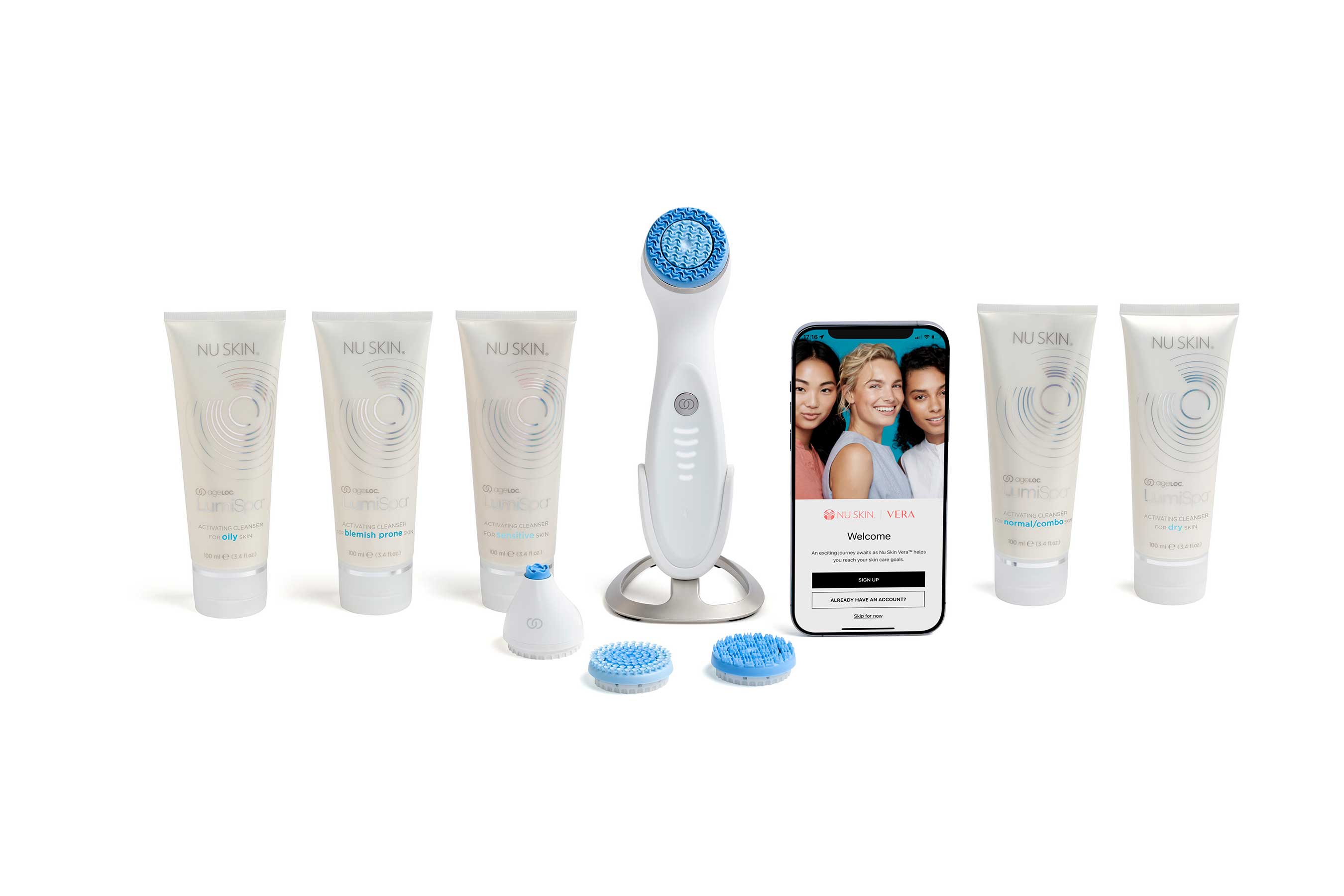
This is where Nu Skin fits between familiar categories. Its annual report names Amway, Herbalife and Natura & Co as direct-selling competitors. Its products also compete with beauty and supplement sellers across other channels. Nu Skin’s particular combination is hardware, formulations, software and a person explaining how they belong together. A bottle on a retail shelf gets fewer opportunities to coach its owner.
The parent company has invested beyond that shelf. It bought LifeGen’s research assets for $11.7 million in 2011 after a research partnership. Rhyz, established in 2018, holds manufacturing, consumer and technology businesses. In January 2025, Rhyz sold affiliate platform Mavely to Later in a transaction valued at approximately $250 million, including cash and an equity stake. The announced uses included debt reduction and innovation.
03 / The disclosure beside the dream
The selling opportunity needs its own arithmetic. Affiliates can earn retail markups and compensation tied to personal and team product sales. In the U.S., Nu Skin says becoming an affiliate requires neither a fee nor a purchase. That removes an entry charge. It does not remove the time and expenses of finding customers.
of active affiliates received sales compensation in an average month.
Monthly measure · Before expenses · Retail markups excludedIts 2025 U.S. disclosure reports average monthly sales compensation of $178.75 across active affiliates, before expenses. “Active” includes someone who made a personal purchase, sponsored an account or received specified bonuses during the preceding three months. These are defined populations and gross payments, rather than a forecast of a newcomer’s take-home income.
Precision about claims has a history here. In 1997, Nu Skin agreed to a $1.5 million FTC settlement over allegations that unsupported supplement claims violated an earlier order. The settlement was not an admission of a violation. For a business built around explanations, what a seller says is part of the product’s risk.
04 / When the numbers pushed back
A persuasive demonstration does not guarantee growing demand. Consolidated 2025 revenue fell 14.3% to about $1.49 billion. In the second quarter of 2026, revenue fell another 17.1% year over year to $320.1 million. Its reported customer count declined 14%. That count includes salesforce members who purchased directly, so it should not be mistaken for a clean retail-consumer total.
Management’s response is revealing. Its quarterly filing says early Prysm iO experience prompted a shift from placing devices toward an assessment model favoring in-person engagement. Distribution was only the beginning; the interaction needed attention. The same filing moved India’s full opening to the first half of 2027, citing a need to simplify the model.
“an assessment model that is more conducive to in-person engagement”
Nu Skin · Q2 2026 filing
05 / The useful part to borrow
The lesson for another consumer business is practical: design the return visit. Give people an understandable demonstration, explain exactly what it measures and make the next interaction useful. Then count returning customers and repeat purchases. A cupboard full of devices tells you what was distributed. It leaves the question of sustained use open.
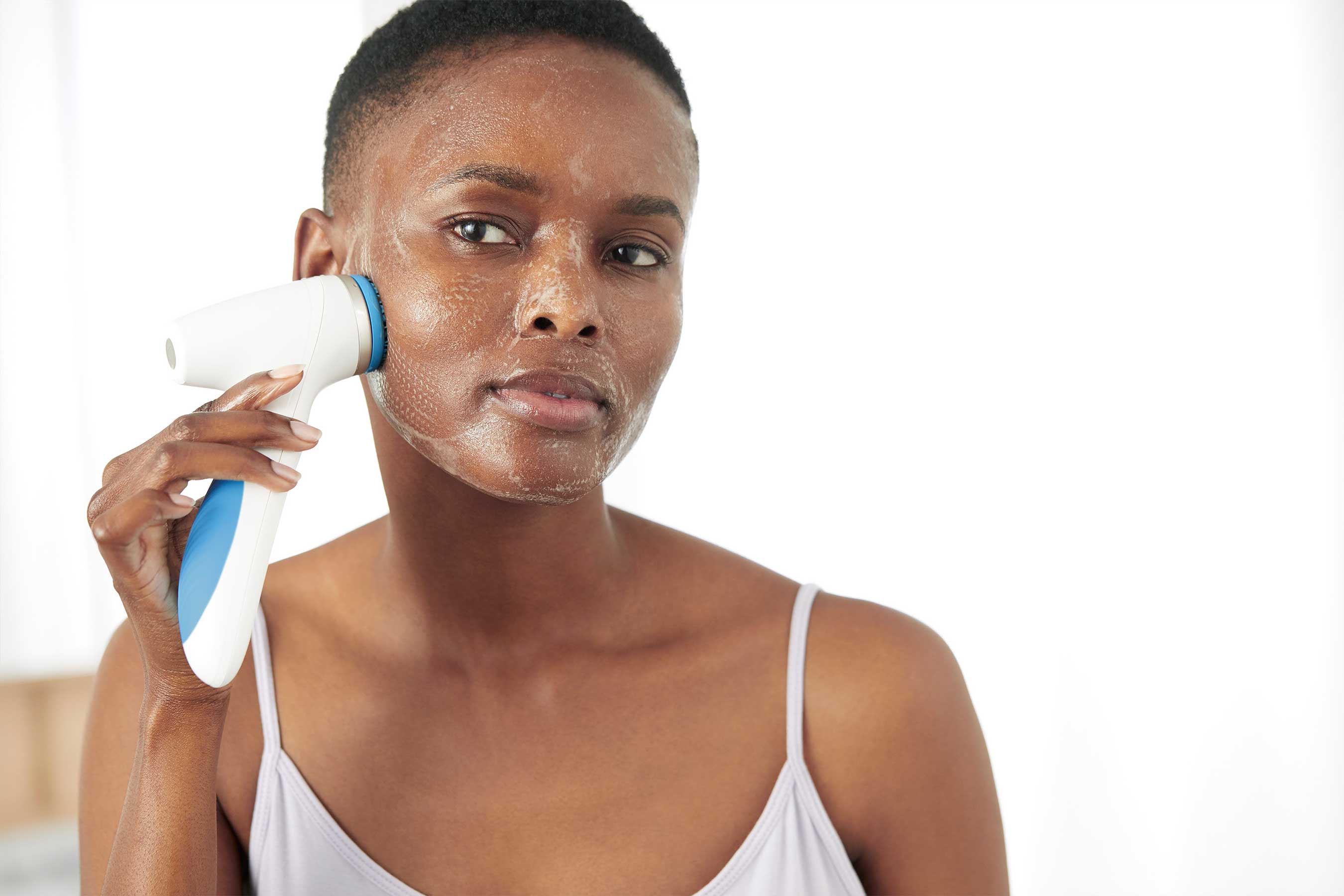
That approach depends on customers valuing guidance enough to return, and on claims staying within the evidence. It becomes harder when budgets tighten, routines lapse or local rules require a different sales structure. Nu Skin’s latest pivot brings its technological ambitions back to a familiar setting: two people, a demonstration and the work of earning another conversation.