At Lucky Friday, the useful question is how to persuade a mountain to let go in the right order. The Idaho mine began operating in 1942. Its No. 4 Shaft reaches roughly 9,600 feet below the surface. Down there, extracting ore changes the forces acting on the surrounding rock. Getting more silver means understanding what happens after you remove the last load.
- Hecla makes industrial feedstock: silver-bearing concentrates, plus gold, lead and zinc.
- A redesigned mining method tackles a dangerous constraint underground.
- Selling Casa Berardi in 2026 concentrated the business around three silver operations.
That makes Hecla Mining Company an interesting business to study. Its history begins in 1891, with Amasa Campbell, Patsy Clark and John Finch in Burke, Idaho. Yet its useful advantage cannot simply be age. A long operating history matters when accumulated knowledge changes what people can safely do next.
The rock does not care how old you are
Consider the Underhand Closed Bench method, or UCB. Hecla developed it for deep, high-stress, narrow-vein mining. Controlled blasting helps release mining-induced seismic energy before extraction proceeds. Previously mined areas receive engineered fill. The sequence matters because the problem is partly the behavior of rock under stress, rather than merely the speed of a machine.
The result attracted attention beyond Hecla. NIOSH recognized the method with its 2023 metal-sector technology innovation award. Its award description reported a reduction of more than 50 percent in Lucky Friday’s all-injury frequency rate. That is a specific reported outcome at a specific mine, rather than a promise about every underground operation.
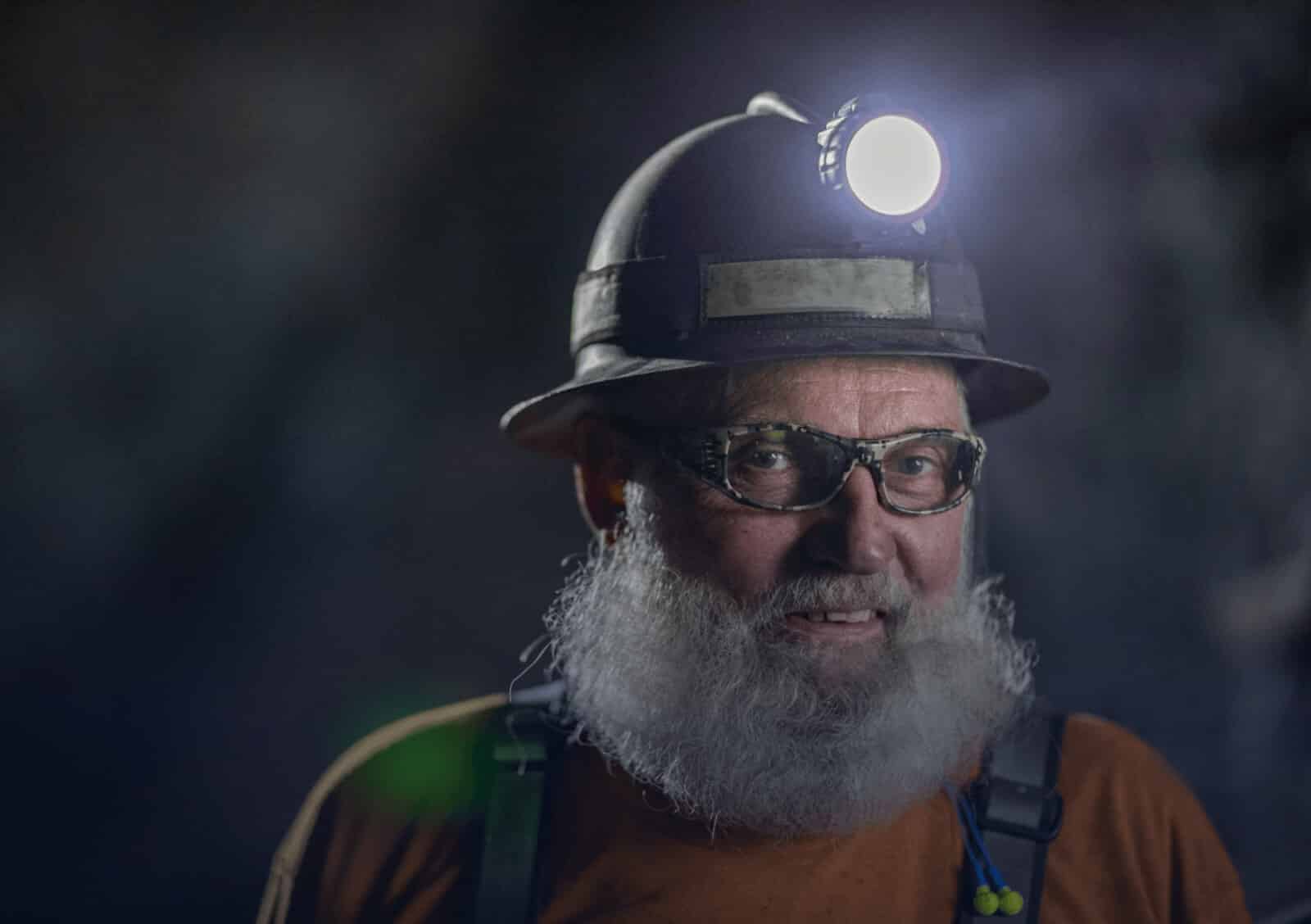
Chris Neville, Lucky Friday’s general manager, gave the innovation a revealing backstory in Hecla’s 2025 sustainability report. “That innovation grew out of the need to improve safety.” He described a cultural shift during the 2017-2020 labor strike and dated the first blast to April 2020. His account connects technical change with an interruption to established routines.
Access to deeper ore had already required serious money. The No. 4 Shaft project was described at roughly $225 million and was completed in January 2017. That figure concerns the shaft project, not the development cost of UCB. The distinction matters: buying access and learning to work there safely are different jobs.
A silver company sells an unfinished product
Hecla sits near the beginning of the metals supply chain. It mines ore, processes it and sells concentrates or unrefined doré. Smelters, refiners and metal traders are its direct customers. Electronics and solar manufacturers help create demand farther downstream; they should not be confused with a verified list of Hecla accounts.
Commercial relationships are concentrated too. The 2025 annual filing says its three largest customers accounted for approximately 25, 23 and 14 percent of total revenue. Concentrates have particular characteristics, and only some smelters can process them effectively. A rich deposit therefore needs a workable route to a willing processor.
The economics contain another wrinkle. Gold, zinc and lead recovered alongside silver produce revenue that can offset reported silver costs. “After by-product credits” is doing real work in a cost table. Those credits move with other metal prices; they do not mean the equipment, energy or labor arrived free.
The escape shaft changes the story
A successful production method still depends on the rest of the mine. In August 2023, Hecla reported a fall of ground in Lucky Friday’s No. 2 Shaft, a secondary escape route. Its initial assessment pointed to a fire. Nobody was in the mine at the time of the failure. Production was interrupted.
This is the awkward detail that makes the story useful. UCB addressed seismic control in production. An incident elsewhere in the infrastructure could still stop the operation. Improving the central process does not remove dependence on ventilation, access or an escape route. Managers in less dramatic businesses will recognize the arrangement.
A rich deposit still needs a safe route out.Ore is only one part of the operating system.
Three mines, one sharper bet
Hecla’s three operating silver assets pose different practical problems. Greens Creek, on Alaska’s Admiralty Island, is accessed by boat and lies within a national monument. Lucky Friday brings deep-mine engineering. Keno Hill, acquired through Alexco in 2022, brings a Yukon district with high-grade deposits and a continuing ramp-up.
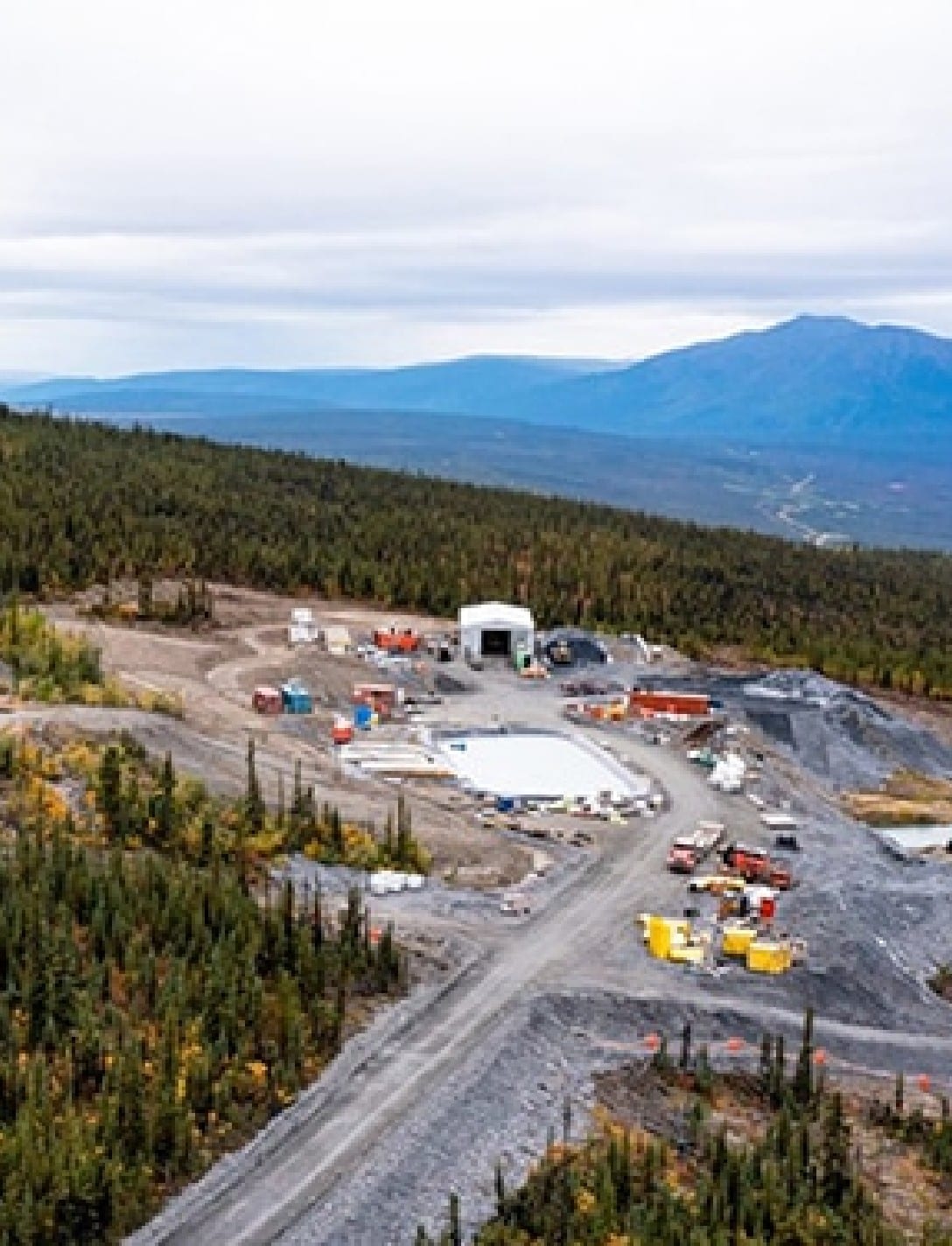
Keno Hill also lies within the traditional territory of the First Nation of Na-Cho Nyäk Dun. Community relationships, permitting and tailings infrastructure belong inside the operating calculation. High grades cannot substitute for them. The company’s stated safety culture includes encouraging employees to speak up about concerns, another dependency that machinery cannot supply.
In March 2026, Hecla sold the subsidiary owning Quebec’s Casa Berardi gold mine to Orezone. The advertised consideration was up to $593 million, but that was not a single cash payment. At closing, Hecla received $160 million cash and approximately 65.8 million Orezone shares, with further deferred and contingent consideration.
Management described the decision as concentrating capital and attention on silver. In April, Hecla redeemed its remaining $263 million of senior notes. By June’s quarter-end, it reported $483 million cash and no debt excluding finance leases. The financial room supports investment, although it does not decide which project deserves it.
Copy the question before the machinery
Hecla competes for investor attention with producers such as Pan American Silver, First Majestic and Coeur Mining. Its particular proposition combines North American assets, underground experience and silver exposure. It cannot set the price of silver. It can influence extraction methods, development choices and how much financial strain it carries.
The lesson travels beyond mining: identify the constraint that makes additional output dangerous or unreliable, then redesign the work around it. The conditions matter. UCB answers a particular geological problem; another deposit may require another method. Lower prices, unavailable processing capacity or a missing permit can overwhelm better production. At Hecla, progress begins with a precise question about the ground.