A ton of cement is an awkward travelling companion. It is heavy, relatively ordinary, and expensive to escort too far from home. Consider, then, a company that has spent decades arranging its factories around that inconvenience. GCC began making cement in Chihuahua in 1941. Its business today offers a useful lesson in industrial economics: sometimes the interesting invention is where you put things.
- GCC connects quarries, cement plants, terminals and concrete operations across a North American corridor.
- Odessa’s expansion was announced with a $750 million budget and a promise of shorter freight routes.
- Lower-carbon cement gives buyers another lever, provided their specifications allow it.
The factory is only half the map
First, a distinction that construction people know and everyone else routinely muddles. Cement is the binder. Concrete is the mixture made with that binder, aggregates and water. GCC sells both. It also supplies aggregates, specialty materials and, in some markets, asphalt. Its customer might manufacture concrete, build infrastructure, distribute materials or need cement for a well.
The catalogue is more particular than a grey powder suggests. Komponent is an additive designed to compensate for shrinkage. Microsilex targets properties including reduced permeability. GCC distributes Rapid Set cement for work requiring fast strength gain. These products address specific annoyances: cracking, water penetration, the cost of waiting. Matching material to application is part of the sale.
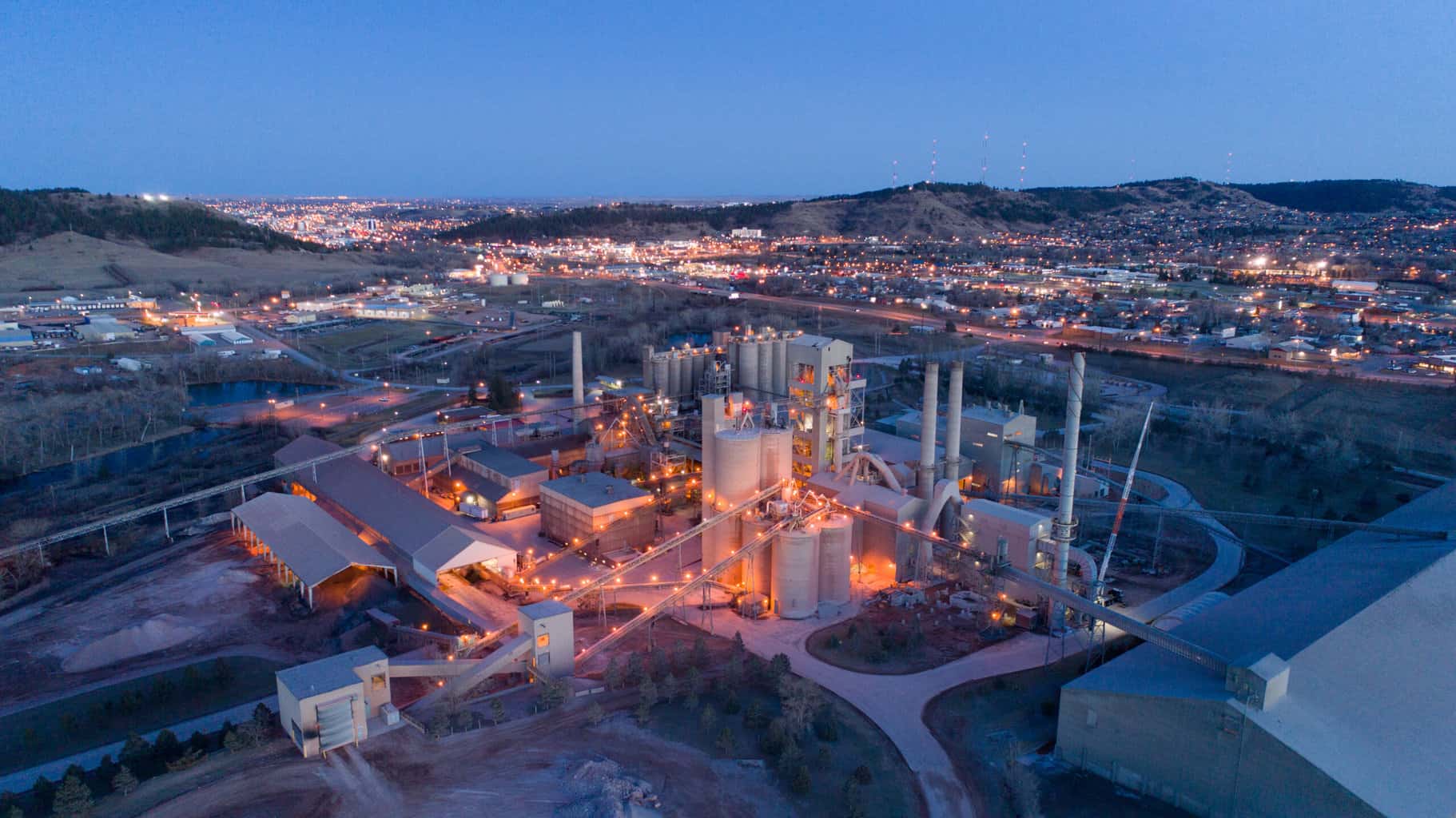
But the physical system matters as much as the catalogue. GCC owns the limestone quarries supplying its cement operations and places terminals between plants and buyers. Inventory can sit closer to demand. Its own cement supplies its ready-mix production. The business earns its money selling materials; integration gives it more control over the steps required to deliver them.
The decisive border crossing came in 1994, when GCC acquired the Tijeras plant in New Mexico and terminals in Albuquerque and El Paso. Rapid City followed in 2001. Pueblo and Trident later broadened the footprint. GCC calls its U.S. corridor the “center cut.” It is a pleasingly butcher-like description of a manufacturing strategy.
That geography gives buyers a way to assess GCC beyond the price per ton. Ask which plant supplies the product, where inventory is held, and what happens when a route is interrupted. A materials supplier’s footprint is also a set of practical promises about availability. The important comparison is the material delivered to the job, with the documentation and timing the job requires.
The $750 million detour
Odessa makes that strategy visible. In August 2022, GCC announced an expansion there to add more than a million metric tons of annual cement capacity. The announced investment was $750 million, financed with internal cash flow. That figure describes the original plan; it should be read as a budget rather than a final project receipt.
The revealing detail was the alternative. GCC said faster U.S. market development and freight savings favored Odessa over Chihuahua. Cement then travelling into the region from Samalayuca, Chihuahua and Pueblo could serve other markets. A new Texas kiln would change the assignments of existing factories. The company was buying capacity and rearranging the map simultaneously.
More useful capacity can also mean fewer expensive miles.
The calendar proved less cooperative. The announcement anticipated capacity coming online by mid-2025. GCC reported the new kiln’s startup in the second quarter of 2026. That establishes a missed original target without requiring a story about which contractor or component went wrong. Industrial plans deserve to be judged against both their promised dates and their reported milestones.
By July 2026, GCC reported annual cement capacity of 7.1 million metric tons. The same quarter brought acquisitions in the Amarillo and Midland-Odessa regions. Earlier, a February El Paso deal had added three businesses with approximately $30 million in annual revenue and aggregate reserves estimated to last around 50 years. In this business, a useful shopping basket can include half a century of rock.
A greener bag needs permission
There is another kind of distance GCC wants to reduce: the gap between established building practice and lower-carbon material. Its portland-limestone cement, PLC or Type IL, incorporates more finely ground limestone. The American Cement Association says PLC can reduce carbon footprint by up to 10% when replacing portland cement in concrete mixtures. That is a product comparison, not a claim that an entire building becomes 10% cleaner.
GCC’s practical advice is almost comically unglamorous: review the specifications. Its 2022 customer notice asked buyers to allow ASTM C595 or AASHTO M240. A material can satisfy a recognized standard and still encounter a project document that excludes it. Procurement language becomes a gatekeeper for chemistry.
“Review your specifications”GCC’s 2022 guidance on portland-limestone cement
For a contractor or designer, the useful next step is concrete enough: check the permitted cement standard, discuss the application with technical staff, and examine the relevant environmental product declaration. GCC publishes declarations for products from individual plants. Those documents are a better starting point for comparison than an undifferentiated green label.
There is a modest lesson here for anyone introducing a new product into an old industry. The person ordering it, the engineer approving it and the crew using it may have different concerns. GCC’s combination of data sheets, mill certificates and environmental declarations addresses those separate decisions. A persuasive emissions number still needs a usable trail of evidence before it can reach a construction site.
The price of being close
GCC occupies regional territory within a market containing much larger groups. Its annual filing names competitors including Cemex, CRH, Heidelberg Materials and Amrize in the United States, and Holcim and others in Mexico. Owning a network does not suspend competition. Freight savings matter only if the delivered product remains competitive and customers actually need the volume.
$1.4087bn consolidated net sales
The financial record supplies a useful brake on enthusiasm. Sales rose 3.1% in 2025, while EBITDA fell 1.7%. Growth and profitability can move in different directions. A new kiln also needs demand, reliable transport and sufficient utilization. If construction slows or competing supply depresses prices, the same fixed assets that enable dependable service become expensive obligations.
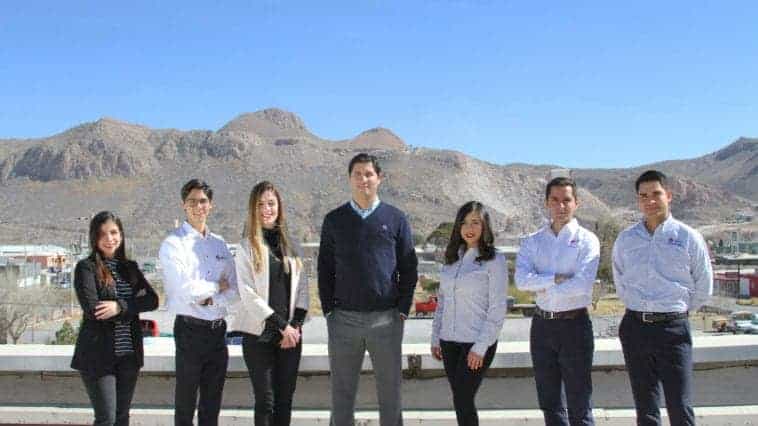
People remain part of that machinery. GCC’s engineering graduate program includes a year of plant training. Its stated values put safety alongside service and collaboration. The transferable idea is to understand the whole delivery system before expanding one piece of it. At GCC, the sale ends where the material is needed. The strategy begins by measuring how far away that is.