An airline can take you to Rome. A hotel can put you to sleep there. Neither has much to say about the six hours between breakfast and dinner. That interval is where a holiday becomes a holiday, and where planning often deteriorates into seventeen browser tabs. Headout has built its business around this oddly neglected stretch of time.
- Travelers get tours, attraction tickets and shows in one booking marketplace.
- Local operators deliver the experiences; Headout works on curation, distribution and booking infrastructure.
- The commercial challenge is making a varied service feel dependable, long after checkout.
The booking was the boring part. That was the opportunity.
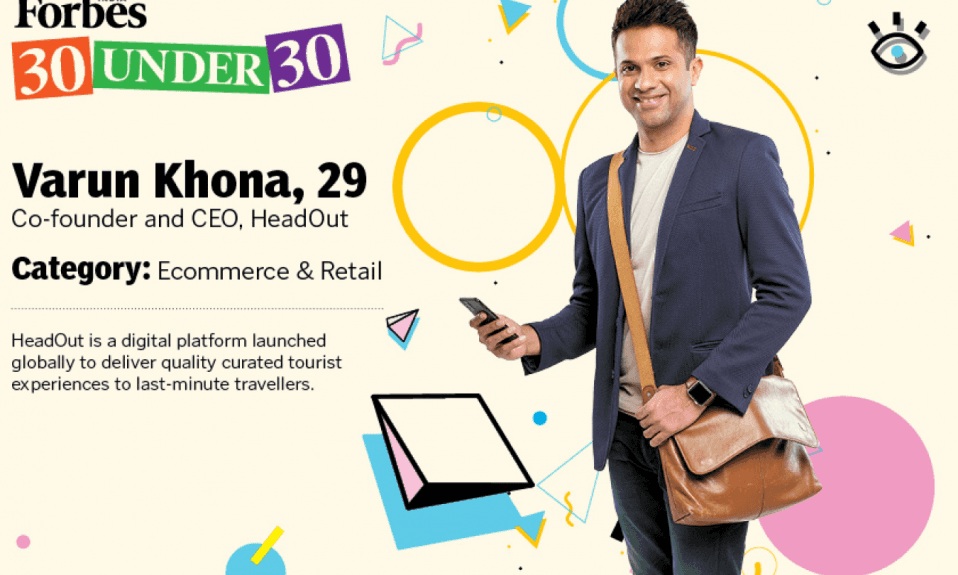
The origin is pleasingly unromantic. In a 2014 interview about Tourlandish, Headout’s precursor, Varun Khona recalled planning a European trip with a list of things to experience. Reaching local businesses meant calls, emails and language barriers. Customers of his earlier travel business reported the same imbalance: flights and hotels were comfortable online purchases; activities were a nuisance.
Khona, Suren Sultania and Vikram Jit Singh began working together on Tourlandish in 2013. By April 2015, the Headout app was live in New York and Las Vegas, with a $1.8 million seed round behind it. Its appeal was spontaneous discovery: something worthwhile to do, bookable while you were already there.
Today, the customers include international tourists, domestic travelers and residents looking for an outing. The catalog spans guided tours, museums, theme parks, live entertainment and selected transport. A family can organize an attraction visit; a theatergoer can find a show; an agent can reserve activities for clients through Headout’s distribution tools.
A ticket has to survive contact with Tuesday
The revealing word in Headout’s description is “managed.” A marketplace can list a thousand tours without improving any of them. Headout says it curates and standardizes experiences with local partners, and supplies technology and delivery infrastructure. Its expertise sits partly in commerce and partly in the awkward business of getting humans to the right place.
“Experiences are services, not commoditized goods”Varun Khona · January 2025
That distinction has consequences. A show has seats. A museum has entry slots. A walking tour has a guide, a language and a meeting point. Headout reported rebuilding its platform around specific categories in 2024. The reasonable inference is that a common checkout needs different machinery underneath: selling a seat and coordinating a group are different tasks.
- 01ChooseTraveler + experience
- 02ConfirmInventory + booking
- 03Show upOperator + guest
Checkout is the middle of the journey.
The economics are less mysterious. Supplier terms allow Headout to earn an agreed commission or the difference between a supplier’s net price and the customer’s selling price. The operator provides the service. Distribution partners can earn commissions too. A single public take rate would conceal the variety of agreements behind those tickets.
Viator, GetYourGuide, Klook and Tiqets offer overlapping alternatives, as do venues selling directly. Convenient booking alone therefore proves little. Headout’s stated distinction is the management of supply and experience quality. For a customer, the useful comparison is concrete: inclusions, entry time, guide language, cancellation terms and total price.
For operators, the bargain is access to demand beyond their own website. Headout’s distribution program offers an agent portal and API, so travel sellers can book activities for guests. That makes the marketplace useful even when the traveler never starts on its homepage. The supplier gains reach, while accepting another commercial relationship to manage.
When the visitors vanished, the neighbors remained
The pandemic attacked the assumption beneath the business: that people could travel and attractions could open. Headout subsequently concentrated on domestic and local demand, previously a minority segment. The lesson is unusually practical. A city’s potential audience includes the people living close enough to visit without an international flight.
Recovery brought financing. A $12 million Series B tranche in September 2021 was followed by $30 million in February 2022, led by Glade Brook Capital. The combined round was $42 million. These were investment dollars, not a disclosed bill for the pivot. Headout reported reaching EBITDA profitability in July 2021.
reported January 2025
Current company pages claim $200M+ revenue, without naming a reporting period. The dated figure above gives the firmer historical marker.
Ownership also became tangible. Its first employee equity buyback in 2022 covered 104 employees and alumni. The second, in July 2025, involved more than 250 employees and was funded from the company’s balance sheet. Published operating principles emphasize collective outcomes and open internal information; a buyback gives the ownership language a financial expression.
An ancient city, a different hour
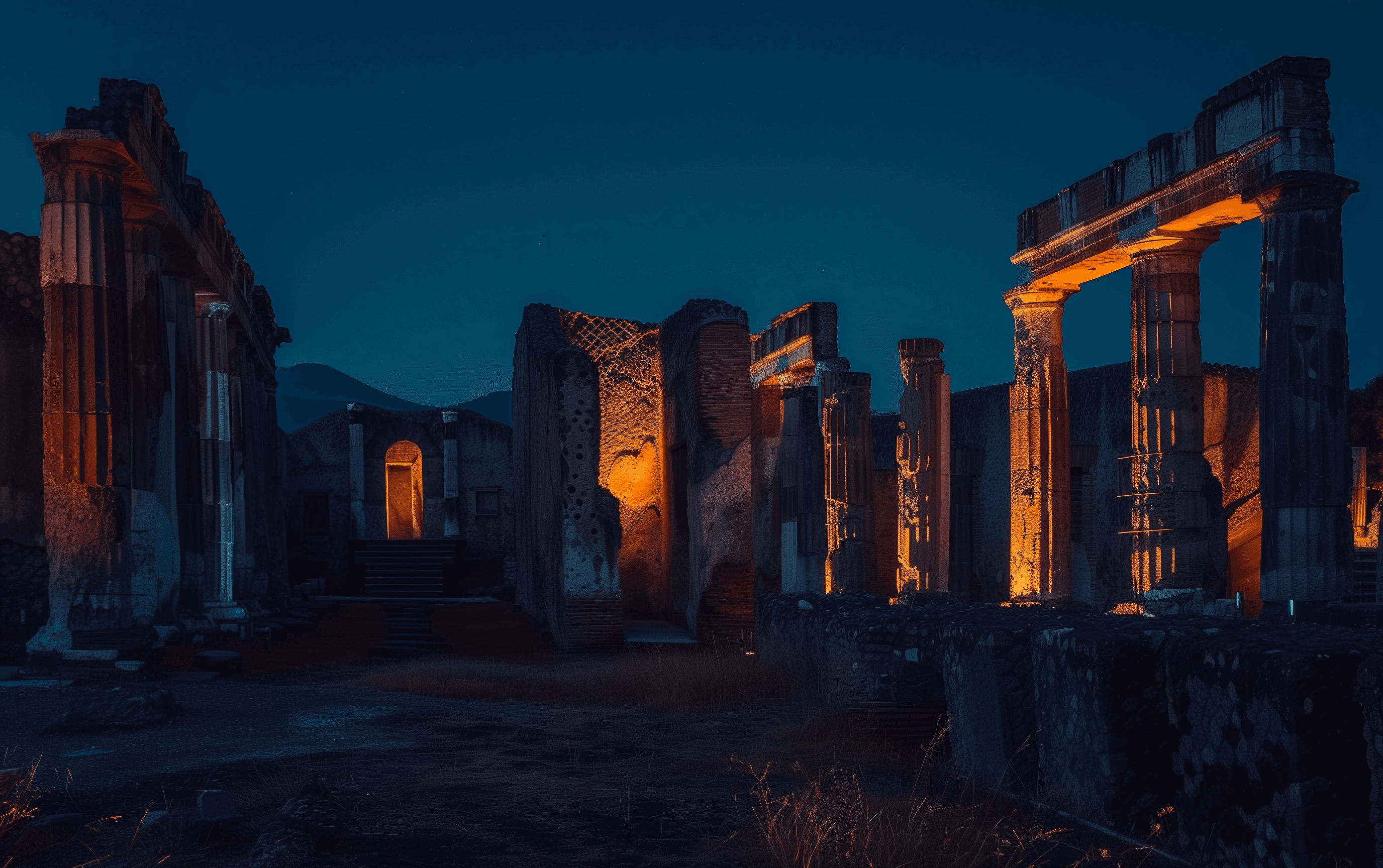
Consider Pompeii by Night. Headout brought the evening tour back for ten dates in September and October 2025, in English and Italian. Small groups could explore with guides after the daytime heat and crowds. The differentiation was wonderfully specific: the same ancient city, encountered at a different hour.
Other improvements are quieter. A direct Cirque du Soleil API integration announced in April 2025 brought real-time bookings and instant confirmations. Rail Europe cooperation expanded from passes into scenic train journeys. These connections matter because availability is part of the product: a beautiful listing for an unavailable departure is merely travel literature.
Flexibility has boundaries. Headout Now, Pay Later launched in November 2025 across eligible cancellable experiences in more than 150 cities, allowing reservations without upfront payment. That qualification matters. Travelers still need to inspect the individual booking conditions. A platform cannot make every ticket refundable or create capacity where none exists.
For the traveler, the best use is to compare actual ticket options before committing. “Skip the line,” for example, needs to be read alongside what the experience includes. Check the meeting instructions and cancellation window while planning, rather than at the entrance. Convenience works best when it leaves fewer questions for the day itself.
The next checkout may begin in somebody else’s app
In August 2026, Headout announced US experience booking through TikTok GO and visibility for eligible entertainment listings in Google’s events module. September added four Merlin attractions in Asia through direct integration. An October agreement with Miral Destinations covered joint marketing of Abu Dhabi experiences. Discovery is moving closer to where interest first appears.
Headout also acquired the Dabble team in May 2024, adding computer-vision and immersive-media expertise to its AI work. The lesson others can copy is more prosaic than the technology: remove uncertainty from the handoff, then bring more customers to it. That approach depends on functioning venues, reliable operators and honest availability. The afternoon remains stubbornly physical. Someone still has to open the door.