A flower shop has an awkward relationship with time. The roses arrive looking splendid. Then the clock begins. Every stem waiting for a buyer is also becoming a less desirable purchase. A hotel reception desk has the opposite problem: its arrangement will fade, but the desk will still need to look welcoming next Tuesday. H.Bloom found a business in putting those two clocks together.
- Recurring orders helped the early business buy flowers against known demand.
- Today, local partners fulfill nationwide floral and plant services.
- Customers include home subscribers, gift buyers and businesses with multiple locations.
- The practical attraction: design, delivery and administration handled together.
A calendar hidden inside a bouquet
Founded in 2010 by Bryan Burkhart and Sonu Panda, H.Bloom approached flowers with a software operator’s appetite for a solvable problem. Its launch release identified expensive storefronts and spoilage as costs that made elegant arrangements expensive. Scheduled deliveries offered a way to purchase against orders already on the books. The customer received something decorative; the business received something useful before it bought inventory: a date.
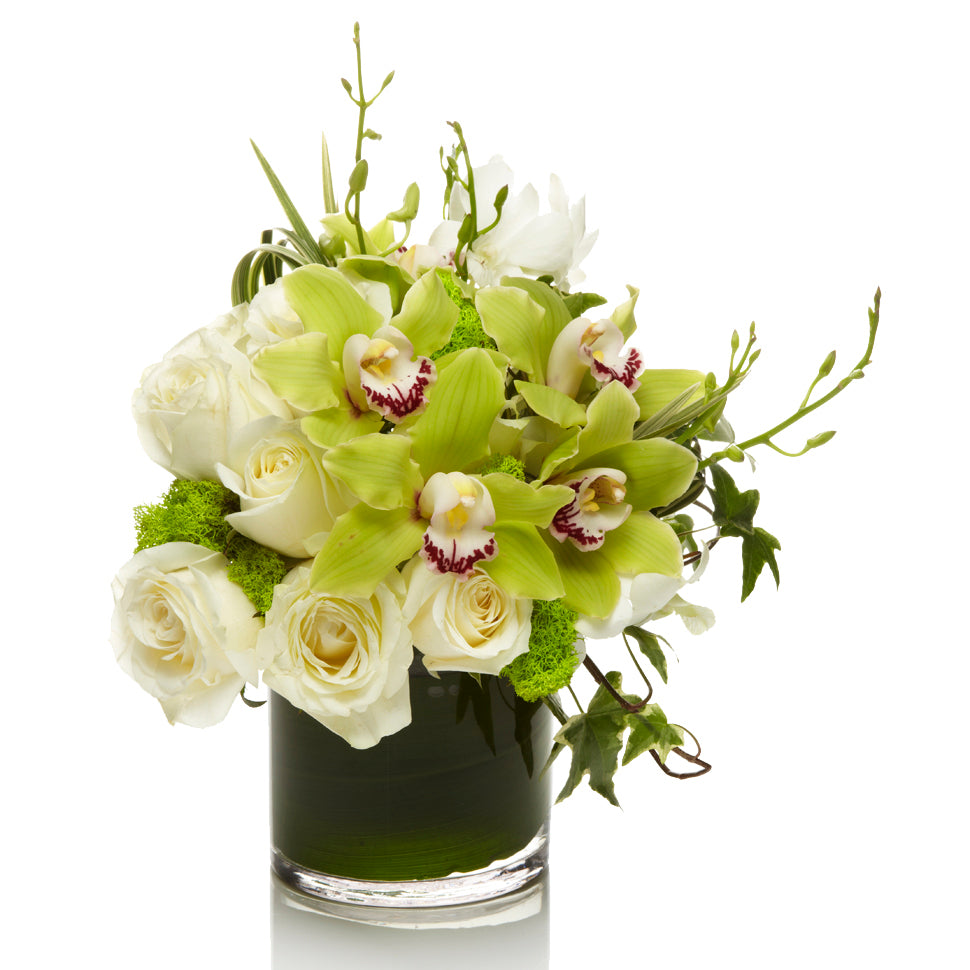
The original release advertised a $35 Classic Collection, including delivery and an initial vase. Bundles arrived pre-cut and hand-tied. That detail matters. An inexpensive bunch can become a small household project involving scissors, a vase search and a regrettable attempt at composition. H.Bloom offered to remove those chores along with the trip to the shop.
“There are two fundamental flaws with the typical florist economic model”Bryan Burkhart, H.Bloom’s launch release
Early accounts reported spoilage around 2%, against estimates of 30-50% for conventional flower shops. Those are historical claims, rather than a present-day environmental scorecard. Their appeal is nevertheless easy to understand. If enough customers commit to next week’s flowers, fewer stems have to wait for a stranger to fall in love with them.
- 01Book the next delivery
- 02Know the demand
- 03Buy the stems
- 04Design and deliver
Sell the appointment before the inventory starts ageing.
The flowers still had to get there
The founders learned the physical business together. Burkhart later recalled that they “drove a ZipCar around Manhattan to figure out how to scale deliveries.” Eventually their responsibilities separated: Panda handled operations, while Burkhart concentrated on sales, marketing and investors. Buying flowers intelligently was one task. Building a company capable of getting them to the right door was another.
People became an expansion problem too. In 2011, H.Bloom launched SEED, a paid six-month program combining workshops, manager shadowing and rotations through operations. The purpose was to prepare local leaders. By 2013, the program had earned a finalist place in ERE’s onboarding awards. A subscription schedule could tell the company what was coming; it could not supply a manager by itself.
The growth plan also required capital. A $4.7 million round was reported in 2011, followed by a $10 million Series B in 2012. The elegant economics of a scheduled bouquet still sat inside a business of labor, transport and local execution.
A subscription was no monopoly
There was an early objection worth taking seriously. Battery Ventures initially passed on ideas including a luxury version of 1-800-Flowers; corporate subscriptions proved more persuasive. Later, a Growth Institute retrospective argued that H.Bloom over-expanded and discovered that established florists already offered recurring corporate services. That is an interpretation of its difficulties, but it punctures the notion that a subscription alone constitutes an advantage.
The documented turning point came in 2016, when Tenth Avenue Commerce acquired H.Bloom. Its employer description calls the change a complete reset of the business model and organization. Today’s company describes a curated network of local florists and plantscape specialists, supported by account executives. The operating question changed from running local production to coordinating local expertise.
Luxury has an accounts-payable department
H.Bloom now advertises more than 500 florist partners. Its partner pitch offers free membership, no rejection fees and an online portal for choosing delivery areas and days. For the customer, the network means national reach with work performed locally. For H.Bloom, it means the finished product depends on people beyond its own office.
That makes coordination part of the product. Corporate gifting can include specified vessels, ribbons, stationery and brand colors. Account managers handle requests across locations. Billing can arrive as one monthly invoice or as invoices coded by store. A national retailer might admire the flowers; its accounts-payable team may be more impressed by fewer invoices to reconcile.
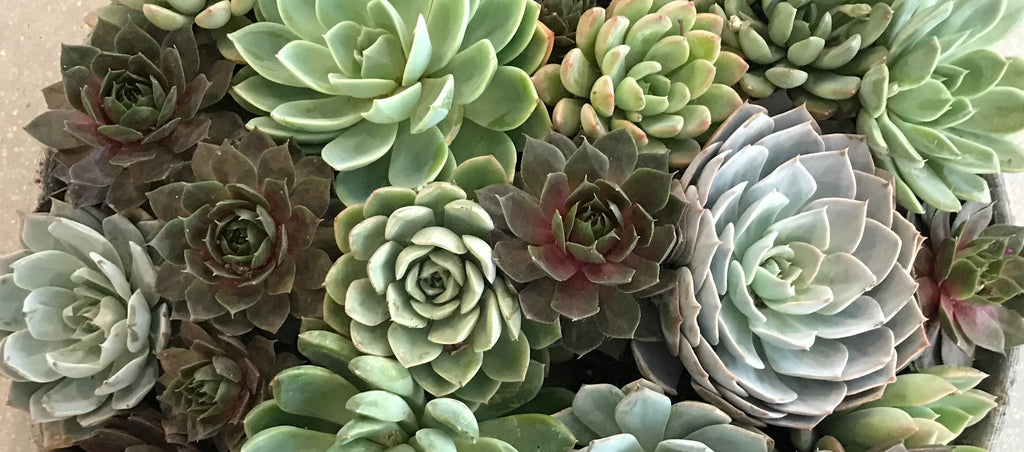
The services extend to indoor and outdoor planters, living walls, seasonal rotations and maintenance. Hotels, restaurants, offices and commercial properties are natural customers because they have spaces to maintain and repeat tasks to delegate. A private buyer may need only a gift. The consumer webshop, introduced in 2020, gives that buyer a simpler route into the same brand.
Read the terms before admiring the tulips
Home subscriptions now start at $95 before tax and delivery. Customers select size, palette and weekly, biweekly or monthly cadence. Published terms specify contracts of three to twelve months, 30 days’ cancellation notice and seven days’ notice for delivery changes. Corporate installations and events require a tailored inquiry. The old inexpensive-bundle pitch is history, not today’s checkout price.
The limits remain botanical and logistical. Weather, seasonality and market conditions can require substitutions. A requested arrival time is not guaranteed within the delivery window. Someone who needs an exact stem at an exact minute should discuss that requirement before ordering. Someone who wants occasional bargain flowers may prefer a nearby shop to a recurring contract.
The lesson to copy is narrow and useful: find the customer whose need reliably returns, then organize purchasing and service around that recurrence. H.Bloom’s 2026 holiday guidance still urges advance planning. Beneath the floral flourish sits an ordinary discipline: make decisions while there is time to act on them. A rose cannot negotiate an extension.