The business card is a small piece of technology with a large unresolved problem. It tells you who somebody is. It cannot tell you whether they will take your call. GWC built a business in the space between those two things, assembling mobile executives into a private club and giving the rest of the industry a place to meet them.
- Start with the club. Executive relationships gave the conference a reason to exist.
- Sell several kinds of access. Membership, sponsorship and startup pitches served different ambitions.
- Watch the delivery. More badges could mean less attention for each person wearing one.
First, make eight people care
An early Great Wall Club presentation contains a modest number: eight. It describes a CEO membership platform that grew from eight members to roughly 70 in a year. Its vocabulary was equally plain: friendship, cooperation, globalization. There were dinners, study trips, topic meetings, research and consulting. The unit of value was a relationship that might survive the evening.
Wen Chu founded GWC in 2008. Early team materials identify Song Wei and Bo Yiqun as fellow founders, with experience in media and technology research. Barrett Parkman worked on international business development. This was a business built around understanding people and markets. The mobile internet supplied the subject; the club supplied a way to find someone worth talking to.
A conference with a club behind it
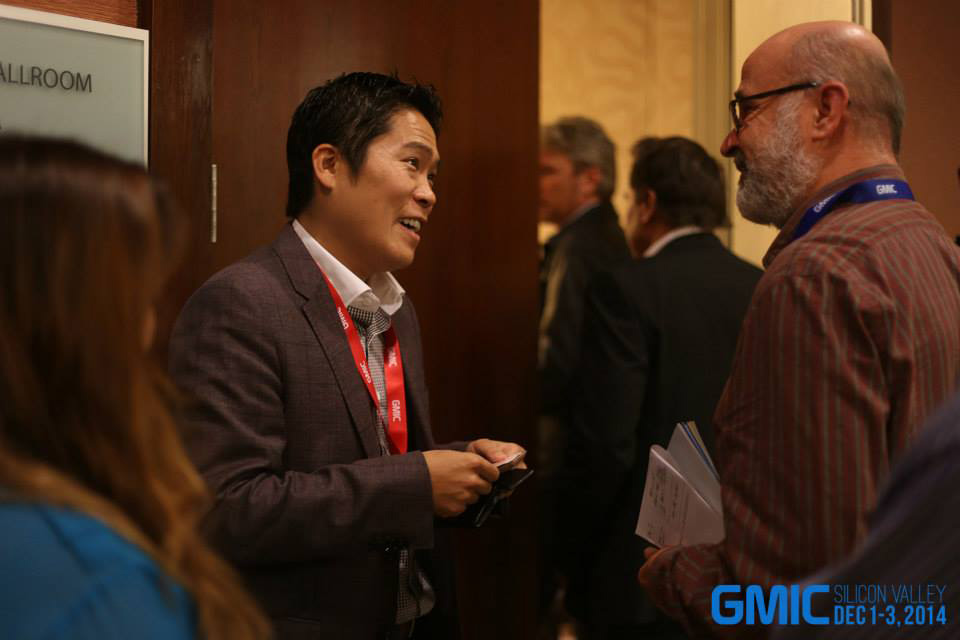
GMIC, the Global Mobile Internet Conference, began in Beijing in 2009. In October 2012, its U.S. debut reached the San Jose Convention Center. The host city’s announcement expected 5,000 visitors and organized the program around mobile innovation, global markets, startups and app monetization. The format made the network visible: speakers onstage, companies exhibiting, developers and investors circulating.
Consider the customer’s problem. A company entering an unfamiliar market needs introductions, local knowledge and a reason for potential partners to pay attention. GWC bundled opportunities to obtain all three. An executive member sought trusted peers. A sponsor bought visibility. A startup wanted someone to notice its product. They occupied the same building while buying different things.
Compared with a broad mobile trade show such as Mobile World Congress, GWC’s distinctive proposition was the executive community behind its public events. Compared with a startup pitch event, it offered a wider corporate network. That combination was useful when the missing ingredient was access to a person. It still left the buyer responsible for having something useful to say.
The crowd arrived. The friction came with it.
The 2012 Silicon Valley field reporting complicates the picture. Sina Technology described ticket tiers ranging from $200 for developers to $2,000. Yet many people interviewed had complimentary tickets. A promotion partner reported just $29,000 in ticket revenue three days before opening. That was a preliminary figure, not a final account.
The operational complaints were more revealing. Attendees described crowded VIP areas, exhausted lunch supplies and disappointing matchmaking. A large audience could impress a sponsor while frustrating somebody who had paid for privileged access. In that account, crowd size outran service delivery. A badge marked VIP became less useful when too many other badges said the same thing.
A sponsor wants an audience.
A member wants attention.
The organizer has to deliver both.
For an organizer, the copyable lesson is specific: protect meeting capacity as carefully as attendance. For a buyer, decide which meeting would justify the trip before choosing a pass. GWC’s early U.S. experience illustrates why a room can be commercially attractive and operationally uncomfortable at the same time.
Put some money beside the microphone
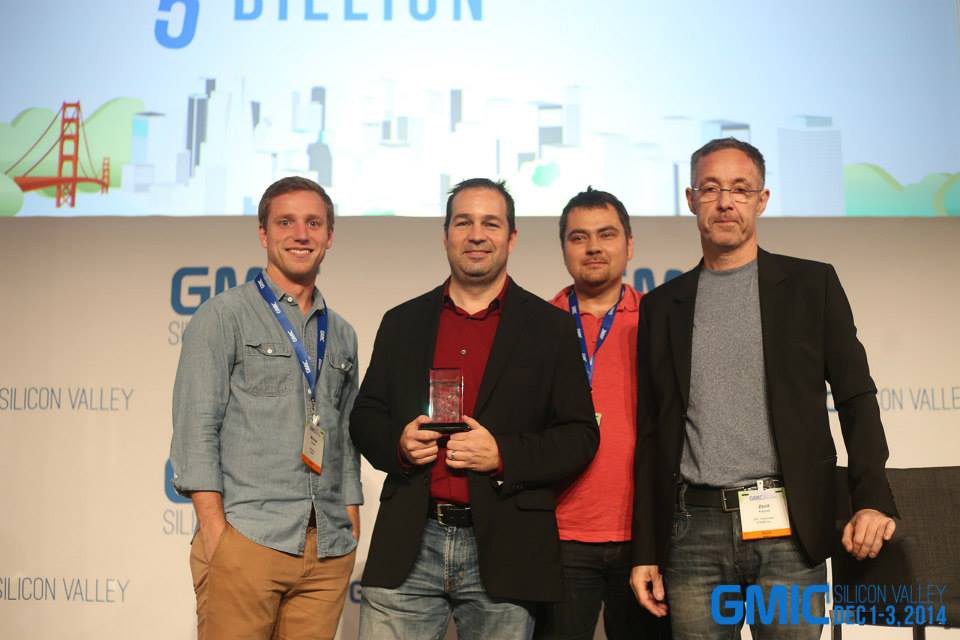
In January 2016, GWC announced $1 million earmarked for G-Startup Worldwide investment prizes. Its published structure gave local winners $50,000 and runners-up $20,000, with an additional $250,000 for the global champion and $120,000 for the global runner-up. These were investments, an important distinction for a founder reading the word “prize.”
Published competition terms. Investment awards, not ticket revenue or GWC fundraising.
The contest favored startups with a working minimum viable product, early local traction and seed funding no greater than $1.5 million. The final winners also received network membership. The arrangement connected a public pitch to private relationships and potential capital. It made the event useful beyond the duration of a presentation.
When mobile stopped being the whole conversation
By 2019, GWC reported more than 700 international executive members. Its announced investors included Tencent, Xiaomi, Baidu and Qualcomm. Those names help explain the network’s appeal, although an investor’s presence does not promise a customer an introduction. GWC’s range also included science conferences, venture investment and, in its 2020 description, the GASA executive education program.
The conference itself was changing. “GMIC was born in the mobile Internet era,” Wen Chu said in its 2019 announcement. That year, the Chinese event moved from Beijing to Guangzhou. The announced program expanded from two days to four, across four venues, with science, AI and 5G sharing the agenda. GWC framed Guangzhou and the Greater Bay Area’s development as reasons for the move.
The room becomes a screen
Then the pandemic changed the venue more radically. GMIC Live moved online in April 2020; technology partner iFlyrec later described providing Chinese-English transcription and subtitles. September’s GMIC Live Pro offered free viewing, with streams spanning Beijing, Silicon Valley, Tokyo, Bangalore, London and Tel Aviv. A conference could now cross borders without asking its audience to board a plane.
The distinction between watching and meeting remained. GWC’s history is useful to anyone building a professional community because it makes that distinction concrete. Start with people who need one another. Give them repeated reasons to return. Expand only as fast as you can preserve the encounter. If the participants need neither partners nor unfamiliar markets, or cannot act on an introduction, another gathering adds little. The business card still needs a reason to become a conversation.