A desk is an oddly modest object around which to organize an international business. It has no opinion about precision medicine. It cannot introduce a semiconductor founder to a prospective partner in China. Yet a desk is where Hanhai Investment’s proposition becomes tangible: a small, purchasable piece of a much larger arrangement.
At its Bay Area centers, Hanhai combines offices with mentoring, business services and access to investors. The interesting question is what happens after someone sits down. A founder may need help explaining the product, finding the right adviser or entering an unfamiliar market. Hanhai has built its identity around putting those conversations within reach.
- Flexible workspace gives founders a practical entry point.
- Life sciences and information technology anchor its Bay Area centers.
- Its international network aims to turn introductions into business opportunities.
A room with somewhere to go
The company was founded in 2012. That June, Hanhai Z-Park opened in San Jose, an 80,000-square-foot incubator backed by Chinese investors. The original appeal ran in both directions: young American businesses considering China, and Chinese businesses exploring the United States. An office supplied an address. The incubator supplied help understanding what to do from that address.
Early coverage also supplied a useful reality check. In March 2013, the San Jose operation had about 40 tenants, with room for 100 or 200 depending on their requirements. Opening the doors and filling the rooms were separate achievements. The founding bet required companies to see enough value in the services around the space to move in.
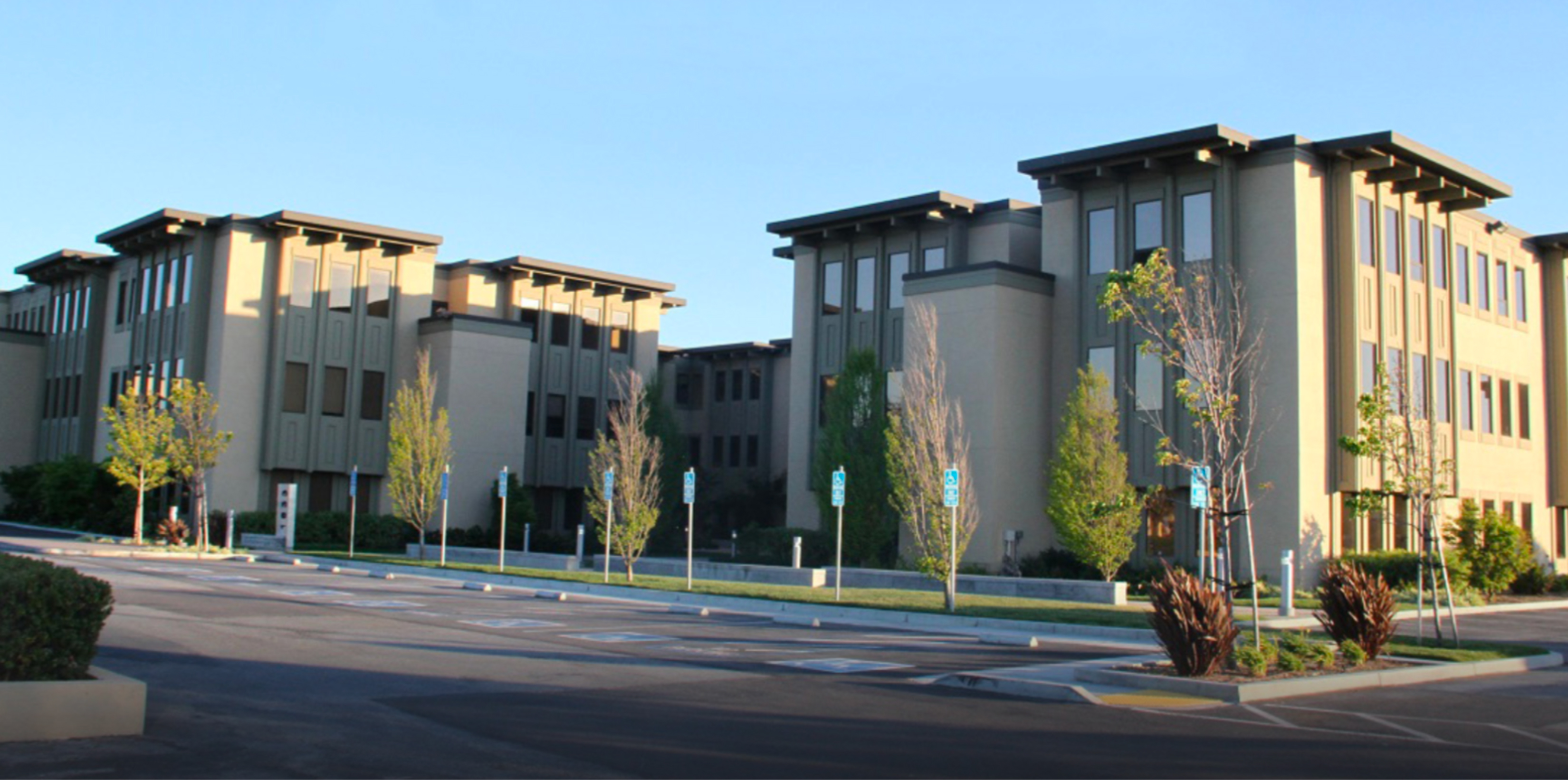
A second, affiliated life-science park opened in Burlingame in June 2013. Its reported $24 million facility was a joint venture with Zibo’s industrial park. Those are historical project economics, rather than the cost of joining today. They show the scale of the physical commitment behind a business often described in the weightless language of networks.
The price of getting a seat
Today, the website advertises a day pass starting at $30, a dedicated desk at $300 a month and a private office at $1,000 a month. These are advertised starting prices; the particular room and agreement matter. The progression makes the proposition legible before a founder has to decide what an international network might be worth.
Advertised starting prices. Different rental periods; these are options, not a proportional cost comparison.
The workspace offering includes meeting-room access, mailing services and other office amenities, depending on the plan. Meeting and event spaces can also accommodate workshops and launches. Monthly desk and office payments provide a visible commercial foundation. Selective investment belongs to another part of the relationship, with its own decisions and terms.
Hanhai’s own line is agreeably plain: “The hardest part of starting up is starting out.” A furnished room reduces one obstacle. A useful adviser can reduce another. The value depends on which obstacle a company actually faces; there is little sense paying for proximity to people whose expertise has no bearing on the next decision.
Science has different neighbors
The Burlingame center emphasizes healthcare and life sciences. San Jose’s technology park emphasizes fields including cloud computing, semiconductors, AI and robotics. This division gives the company a more specific identity than a general coworking operator. A medical-device team and a software founder may both need internet access, but their difficult questions soon diverge.
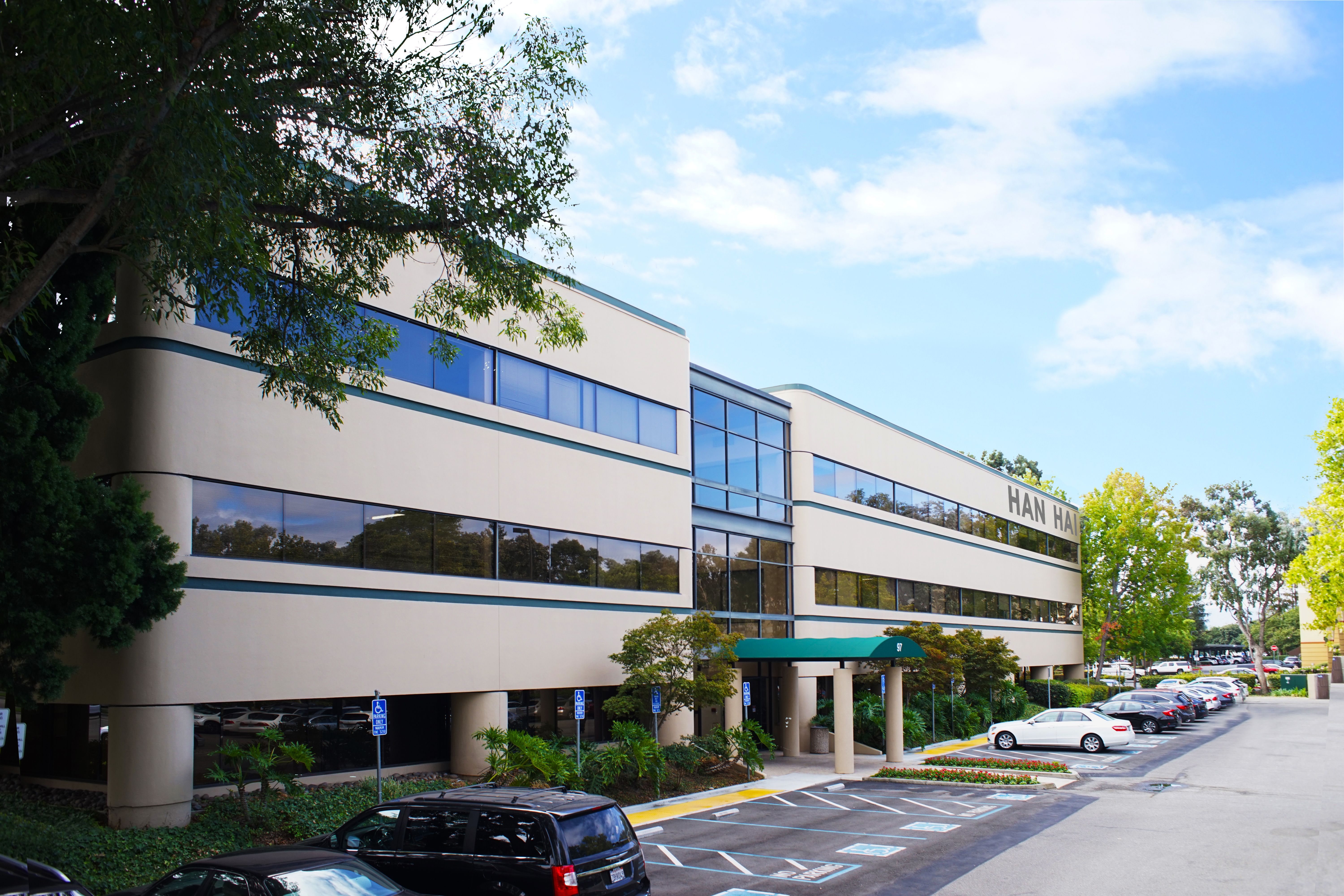
The public portfolio puts names to the technical range. It includes XtalPi, ScaleFlux, Trustlook and Skycatch. The list establishes how Hanhai presents its network; it does not, by itself, establish the size or terms of every investment. A separate financial record lists Hanhai among investors in ScaleFlux’s $25 million Series B in March 2018.
Specialist gatherings provide another view of the work. In November 2024, the Chinese American Biopharmaceutical Society scheduled a workshop at Hanhai Biolabs on the journey from discovery through investigational-new-drug preparation and early development. Its agenda included lead optimization, drug metabolism and nonclinical safety. These are subjects on which a charming coffee lounge offers limited assistance.
For a technical founder, the useful neighbor is the person who understands the next difficult question.
The building that did not happen
A Canadian affiliate offers a revealing episode. A 2015 report described an intended property deal that stopped when due diligence uncovered an oil leak. Canada Hanhai recovered its reported $2 million real-estate investment. Its small team then concentrated on working with existing incubators and public agencies to identify companies for investment.
The interruption came from the property itself. The response changed where the team looked for companies: existing institutions could provide relationships without the planned building. This was an affiliate’s experience, rather than a setback at the Burlingame company, but it exposes a useful distinction within the wider Hanhai approach. Connections can travel beyond the premises.
Arrive with a question worth answering
Hanhai’s business-plan submission asks for an elevator pitch, the team, customer needs, underlying technology, competitors, market assessment and development milestones. It explicitly welcomes technologists with limited financial data. That invitation addresses a familiar imbalance: the person who understands the invention may still need someone who understands the business around it.
For prospective users, the sensible sequence is to choose the bottleneck first. Tour the workspace if the problem is space. Ask about relevant advisers if the problem is commercialization. Present a concrete business plan if the goal is investor consideration. Hanhai provides routes into these conversations; founders still need evidence that makes the conversation productive.
- Name the obstacleSpace, expertise or a market connection?
- Find the right personAsk who can address that specific need.
- Bring the evidenceTurn the meeting into a next step.
Alternatives range from flexible-office providers to accelerators such as Plug and Play, Techstars and 500 Global. Hanhai’s particular place lies in combining physical space with technical and international business support. That combination fits a company with a reason to use the connections. For a team needing only quiet desks, an elaborate network may add little.
The portable lesson is to treat access as something specific. Name the prospective customer, adviser or partner. Decide what you need to learn, and what you can show them. Hanhai begins with a desk, but the consequential part of the arrangement is whether the next introduction gives a founder a useful reason to get up.
Open the next door
Explore Hanhai’s website, workspace options, portfolio and business-plan application.
Follow LinkedIn, X or Facebook. Read the 2013 interview with Victor Wang and browse CABS events.