The revealing detail is the name. Glowforge’s early customers watched a laser cut a design into material, then called it a printer. Technically, they were describing the wrong process. Commercially, they were describing exactly the right experience. A printer was something ordinary people understood. A laser cutter sounded like something that required a workshop, a manual and perhaps a rather stern uncle.
- Desktop lasers turn drawings into signs, gifts, prototypes and parts.
- Cameras, browser software and prepared materials reduce the fiddly setup.
- Record preorders were followed by delays, expansion and a 2025 founder-led restart.
Glowforge adopted the language of its audience. Its machines remove material rather than build objects from plastic filament. But the company’s proposition was easy to grasp: put something inside, arrange a design, press a button. Here was a piece of manufacturing equipment with the manners of a household appliance.
01 / The customer wanted the object
The attraction begins with the finished thing. A name engraved on leather. A plywood sign for a wedding. A paper model that turns a classroom drawing into something a child can hold. Glowforge cuts, engraves and scores compatible materials; the same machine can support a hobby, a lesson or a small product business.
Its expertise sits at the junction of optics, motion control, cameras and software. A live camera view helps users place artwork on their material. The browser app accepts common design files. Proofgrade materials add protective masking and a QR code that identifies suitable settings. Each element removes a decision that might otherwise stop a beginner.

This is convenience with a physical consequence. You can see the design against the sheet before committing good wood to it. That matters more to a novice than an impressive specification. A ruined sheet is an inexpensive failure, perhaps, but an unusually effective invitation to abandon a hobby.
02 / Thirty days sold years of work
In 2015, Glowforge collected $27.9 million in preorders in 30 days. The launch had been rehearsed: video edits tested on fresh viewers, an email audience assembled before opening day, and a referral offer rewarding both buyer and referrer. The campaign ran on Glowforge’s own website.
The lesson available to another founder is specific: test whether strangers understand what the product lets them do. Then give satisfied buyers a reason to explain it to friends. That approach requires a demonstrable product and economics that can bear the incentive. It cannot make an unfinished production system ready.
Orders in 30 days. Demand arrived before dependable delivery.
The original shipping schedule slipped. By April 2016, another postponement was attributed primarily to a power-supply issue and insufficient time to validate the new supply. A machine that worked in a demonstration still had to work repeatedly, safely and in customers’ homes.
“It’s an awful feeling to let so many people down.”Dan Shapiro, April 2016
Customers paid for the gap in time and tied-up cash. Glowforge offered materials, design credit and discounts to backers. Machines reached owners in 2017. The company had answered whether people would buy the idea; it was learning how much harder it was to fulfil the purchase.
03 / A smaller price, a different laser
Glowforge widened its audience. In June 2022, Shapiro said more than 3,600 schools used its machines and schools accounted for about one-third of sales. The company reported more than $100 million in revenue for 2021. These are historical figures, useful evidence of adoption rather than a reading of today’s business.
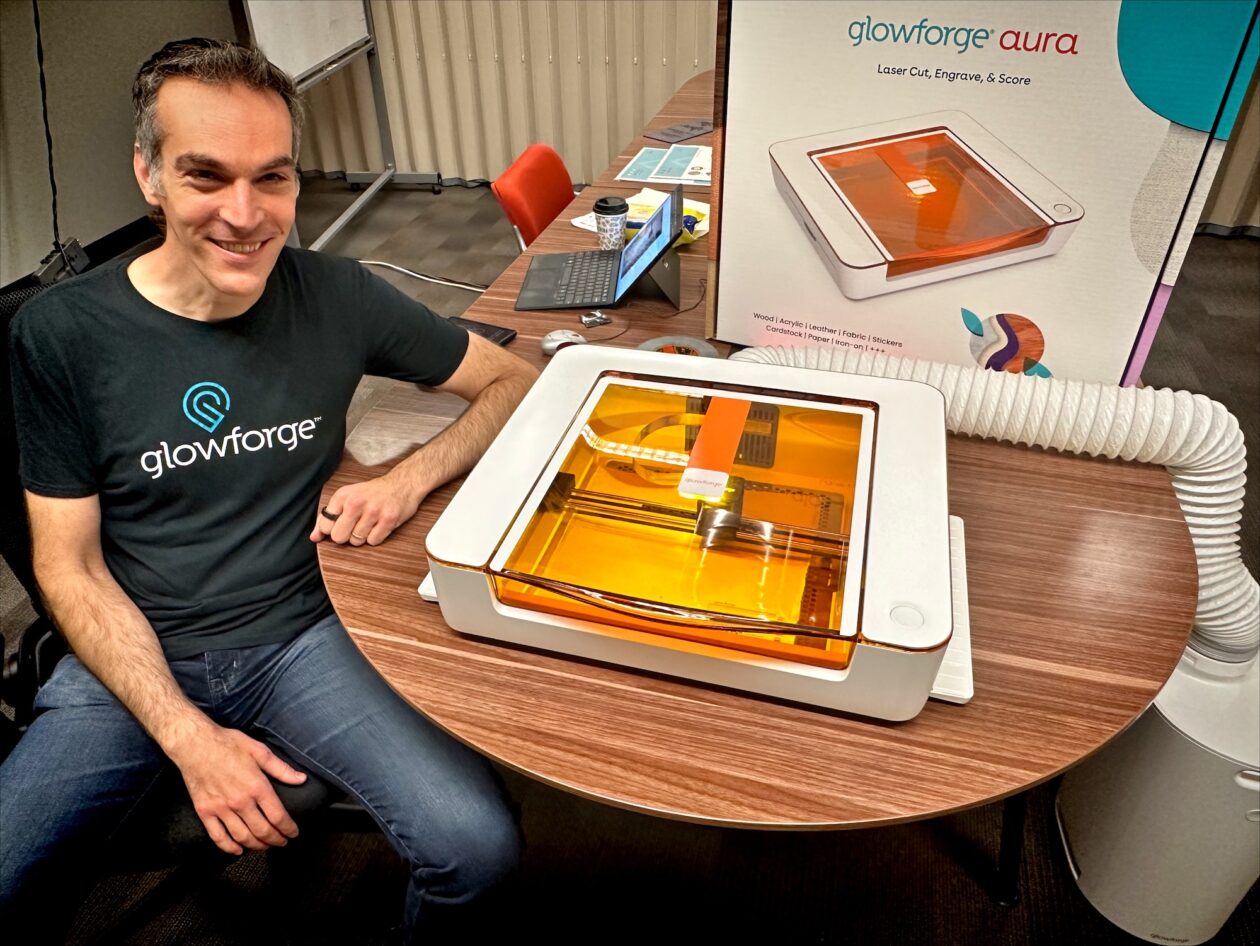
Aura arrived in 2023 at $1,199 through Michaels and JOANN. Spark followed in March 2024 at $699. Their compact diode lasers brought the entry price below the original performance machines. The compromise was material capability: clear acrylic, for example, is outside the craft lasers’ remit.
The CO2 Performance Series serves larger ambitions. Pro models use a passthrough slot for longer projects. Plus HD and Pro HD, introduced in May 2024, improved cameras, optics and previews. The official site currently lists Plus HD at $4,999 and Pro HD at $6,999, before promotions.
Hardware is one revenue stream. Materials, accessories, designs and optional Premium subscriptions extend the relationship. Premium now advertises plans from $20 a month and can export SVG designs for other lasers. Basic machine operation does not require the subscription. Magic Canvas tackles the blank page with AI-generated artwork; Box Builder tackles the geometry of a box.
04 / The machine still needs a business
Compared with alternatives such as xTool’s desktop CO2 systems, Glowforge’s pitch centres on the guided workflow. Buyers should weigh that convenience against material range, working area, servicing and software requirements. Glowforge needs Wi-Fi and internet connectivity. The ease of a cloud service comes with dependence on that service.
The purchase price also leaves out consumables, ventilation or filtration, maintenance and rejected work. A seller must count design time, finishing, packaging and finding customers. The laser can reproduce a design. It cannot establish that anyone wants another personalised coaster.
That distinction reached the company itself. Layoffs and a failed funding round preceded restructuring in 2025. Its recently opened Seattle factory also faced closure, with Shapiro citing an expiring lease, redevelopment and economic pressures. A clever production process still needed somewhere affordable to live.
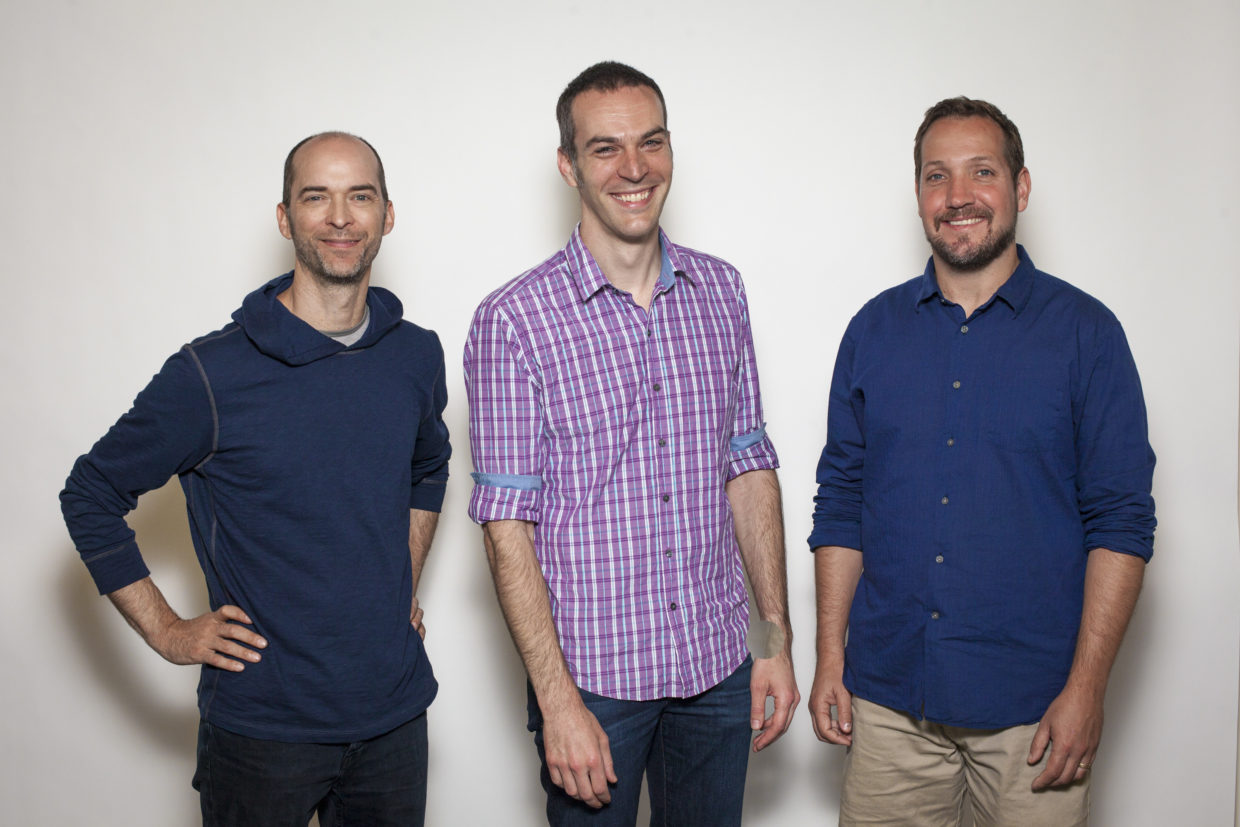
In November, Shapiro and CTO Mark Gosselin acquired key business assets using their savings. The restarted operation began with about 20 former employees. It continued the hardware and software offering while introducing improvements for existing owners. Growth had given Glowforge an audience; the smaller operation would have to earn that audience’s continued confidence.
Glowforge’s enduring insight is modest enough to copy. People approach an unfamiliar tool through a familiar desire: a gift, a sign, a lesson made visible. Make the first useful object easier to produce. Then take the less photogenic work - delivery, support and the company behind the button - just as seriously.
Follow the beam
Explore Glowforge, its project blog and owner community. Watch the Aura demonstration or a fireside interview with Dan Shapiro.