Consider the least glamorous object in a supply chain: an empty railcar. It earns nothing while it waits. It still needs inspection, maintenance and somewhere to go next. The chemical company that filled it last month may have very different plans next year. The steel, meanwhile, has decades of work left in it. Between the customer’s changing needs and the equipment’s stubborn longevity sits GATX.
- GATX leases transportation equipment and manages the work that ownership creates.
- Its advantage depends on matching cars, customers, repairs and future demand.
- A roughly 101,000-car acquisition makes those skills matter on a larger scale.
Founded by Max Epstein in 1898 with 48 used railcars, the company began with a proposition that remains recognizable: a shipper could use equipment without owning it. Epstein later recalled starting with “ideas, of faith, and of some nerve.” The nerve now comes with a considerable balance sheet. GATX reported $1.74 billion in revenue for 2025.
The second customer is part of the product
A railcar lease looks simple if you stop at the first customer. Buy equipment. Collect rent. Repeat. But a railcar can have an economic life of roughly 27 to 45 years, while a North American lease generally lasts one to ten. Those two clocks create the real business. Someone must judge what the car will be worth, who might need it next and what work will get it there.
GATX serves chemical producers, petroleum businesses, food and agriculture companies, railroads and other industrial shippers. They move products with different requirements: grain in covered hoppers, liquids in tank cars, paper products in boxcars. Equipment selection involves the commodity, the loading facility and the route. A large fleet helps only if the right car is available.
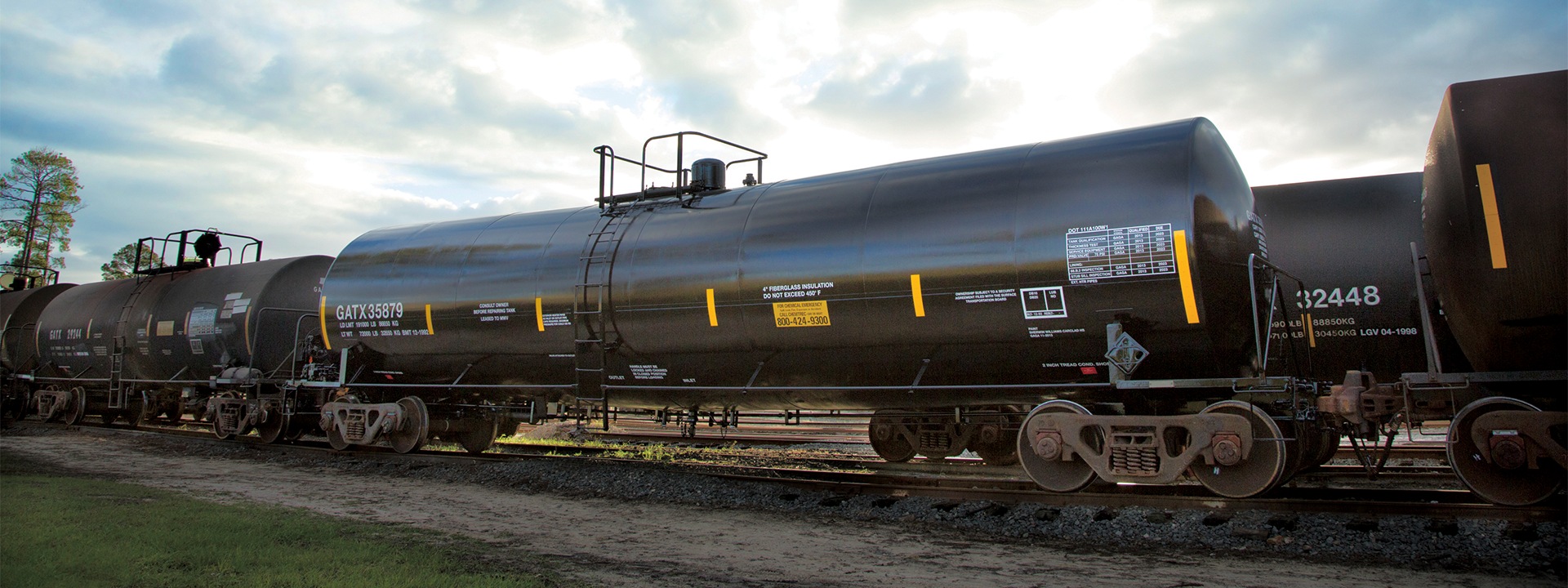
That puts GATX between manufacturers, which supply the equipment, and railroads, which carry it. The shipper buys access to a suitable asset. GATX retains the challenge of putting that asset to work over time. Rental payments are the recurring revenue; selected sales and eventual scrapping offer other opportunities to recover value.
The workshop behind the monthly payment
For a customer, the attraction is practical. Buying a railcar also means accepting sourcing, repair, regulatory and resale decisions. A full-service lease transfers much of that work to GATX. A triple-net lease leaves maintenance and compliance with the customer. Most North American operating leases have fixed monthly payments, although some use measures such as mileage or trips.
The distinctions matter when comparing quotes. A headline rental rate cannot tell a shipper whether mileage allowances, repair exclusions or its own maintenance arrangements make the deal sensible. GATX’s account teams work through specific requirements before assigning cars. A business that already has capable workshops may reasonably choose a different division of responsibilities.
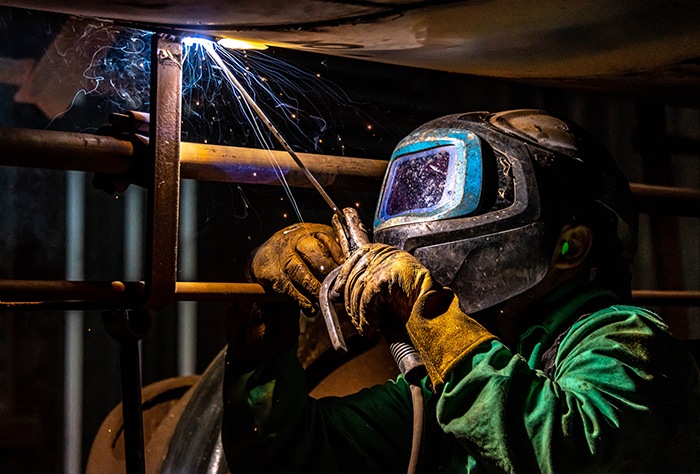
GATX combines owned facilities with outside repair providers. Its engineers consider chemical compatibility, mechanical requirements and facility layouts. Its TankTrainer program takes instruction into an actual railcar classroom, teaching customers and first responders about tank-car operation and safety. The details are industrial. Their purpose is familiar to anyone who has ever paid an expert to handle an expensive complication.
Other lessors understand this too. Union Tank Car Company offers maintenance, engineering support and fleet-management tools. GATX competes with UTLX, Trinity’s leasing business and American Industrial Transport, among others. Its case rests on the combination of fleet variety, availability, relationships and service capability. A workshop network is useful; so is having the equipment a customer needs this month.
A $4.2 billion test of patience
On January 1, 2026, GATX and Brookfield Infrastructure completed a purchase of Wells Fargo’s rail operating lease portfolio: approximately 101,000 cars for approximately $4.2 billion. It was a large expansion of an existing method. It also required a carefully divided financial commitment.
- GATX equity
- $385.3m
- Brookfield equity
- $899.0m
- Term loan
- ~$2.96bn
Rounded financing amounts. GATX guaranteed the joint venture’s loan.
GATX initially owned 30% of the venture, called GABX; Brookfield owned 70%. GATX managed the cars and received options to increase its ownership. By June 30, it had paid $66.2 million to raise its stake to 33.5%. The arrangement combined an operator’s expertise with a partner’s capital, while leaving GATX responsible for the debt guarantee.
At the end of June, reported North American utilization was 98.0%, excluding boxcars. That measures cars on lease, rather than how continuously they travel. High utilization helps the economics, but interest, depreciation and maintenance still take their shares. The acquisition makes the difference between a busy fleet and a profitable one especially worth watching.
The useful life of a useful idea
GATX’s method travels beyond rail. Its 50%-owned Rolls-Royce partnership leases spare aircraft engines, and Trifleet leases tank containers. Across these businesses, customers need access to costly equipment without necessarily wanting every responsibility attached to owning it. Specialized knowledge helps the owner make those commitments.
The customer’s planning horizon and the asset’s useful life rarely end together.That gap is the opportunity.
For customers considering a lease, the starting point is a precise description of the job: cargo, volume, loading arrangements and expected use. GATX can then discuss equipment and contract options. The useful comparison is the whole commitment over the lease term, including the work the customer retains. That is a more demanding purchase than choosing a car from a catalogue, because it asks how the operation will actually run.
The company has changed the tools it uses. It exited railcar manufacturing in 1984. Today, GATX MAX, named for Epstein, adds onboard sensors and wireless devices to the leasing offering. Through RailPulse, the industry’s shared platform, it supports visibility into location, condition and cargo status. The aim is to make equipment easier to manage across company boundaries.
The lesson another business can borrow is to study what customers struggle with after delivery. Build the capability to handle that recurring work. But GATX’s model requires patient financing, repair expertise and assets that remain useful to successive customers. Weak demand, costly repairs or disappointing resale values can upset the arithmetic. The empty car still needs its next assignment.
Follow the equipment
Explore GATX, its LinkedIn updates and latest results. For a closer look: tour a tank railcar or watch GATX Rail Europe’s training videos. Follow the European team on Instagram.