Fred Ross bought a boat business and found somebody else’s trophies inside it. They belonged to Reggie Fountain, whose name was on the boats. Ross sent them back. He had acquired a company; the trophies, he decided, belonged with the person who had earned them. Among the machinery, deal announcements and sales figures of a long business career, it is a pleasingly concrete decision. Even a successful acquisition does not entitle you to somebody else’s mantelpiece.
By then, Ross knew plenty about buying, building and repairing things. His working life had begun around cars and trucks in Kansas City. He had founded Custom Truck & Equipment with his siblings in 1996 and led its expansion into a supplier of specialty equipment. Boats introduced another set of materials and another set of lessons. Across both businesses, the useful question was remarkably consistent: what could he make work better?
A service station education
The first classroom was his grandfather’s automotive service and towing business. Ross worked there as a mechanic, learning the obligations that come with taking responsibility for someone else’s vehicle. Later, in his uncles’ truck salvage operation, he learned to alter chassis and build truck bodies. The progression was practical: repair the machine, understand its structure, then change it to suit a different job.
There is a particular education in salvage. A vehicle arrives with a past, and the work concerns its possible future. Its original configuration is a starting point. Chassis, body and equipment can be reconsidered together. For someone who would build a business around vocational trucks, that experience put the customer’s intended use close to the center of the work.
During the 1980s, Ross moved toward larger trucks and equipment. When Custom Truck opened in Kansas City in 1996, used vocational equipment formed the early offering. New trucks and equipment followed. The business developed around the gap between a standard vehicle and the particular vehicle a contractor actually needed. Customization gave that gap a commercial value.
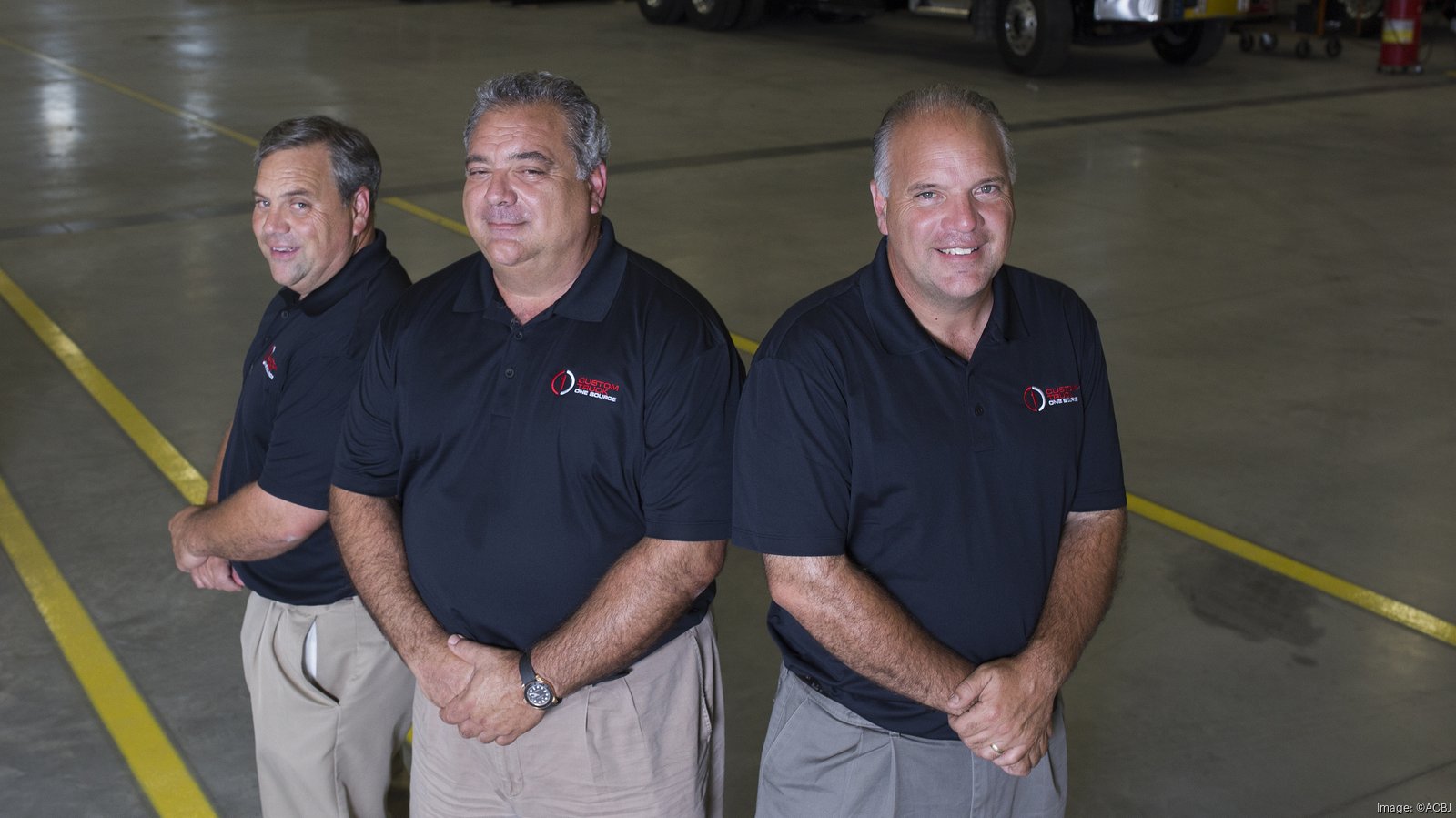
Family was visible in smaller ways too. In 2020, photographs of his grandchildren greeted a visitor to his office. Ross, the oldest of 12 children, was then a grandfather of six and an uncle to 40 nieces and nephews. Those were different numbers from the ones in the sales reports, but they help explain the setting. A founder surrounded by siblings at work also had younger generations claiming his attention outside the equipment business.
His approach to hiring left room for expertise beyond his own. He said he wanted people who knew more than he did in areas the company hoped to enter. That willingness matters in a career spent moving from familiar mechanical work into increasingly complicated businesses.
The company’s name carries a fair description of the task. A crane, a bucket or a service body changes what a truck can do. The buyer is paying for that capability. A useful vehicle has to fit an actual assignment, and the assignment matters more than how handsome the machine looks sitting still. Trucks are admirably resistant to flattery.
The family business gets room to grow
Expansion brought a broader proposition: customers could buy equipment, rent it, obtain parts and have it serviced through the same business. Those activities connect naturally over a machine’s working life. A sale creates a future maintenance requirement. A rental lets a customer use equipment without purchasing it. Parts keep both arrangements moving.
Different needs. A connected equipment business.
The rental offer also reflected customers’ changing budgets. After the 2008 recession, Custom Truck offered rentals and mounted equipment on used trucks to help buyers manage costs. That response makes the business easier to understand than a catalogue alone could. The same work still needed doing, but the way a customer could afford to equip it had changed.
By 2019, the company had reached $1 billion in annual revenue for the first time. For a business rooted in a family workshop, the number required some adjustment. Ross had ambitions beyond it: in 2020, he talked about a company eventually three or four times as large. The milestone had arrived without exhausting his appetite for the work.
Outside capital had become part of the story in 2015. Blackstone brought Custom Truck & Equipment together with Utility Fleet Sales and Forestry Equipment of Virginia in a platform called Utility One Source. The stated purpose was to finance equipment, innovation and a wider geographic presence. Ross’s family business gained room to expand alongside other operators with related experience.
Then came the combination with Nesco in 2021. Nesco adopted the Custom Truck One Source name, the headquarters stayed in Kansas City, and Ross led the combined public company. Platinum Equity invested roughly $745 million and held a majority interest. The ownership structure had become considerably more elaborate than a family shop’s, while the products remained recognizably industrial.
Ross’s reaction was more personal than a transaction summary. He described the experience in April 2021 with a mixture of surprise and excitement. An enterprise that had started with 15 employees now employed about 1,800, including roughly 650 in Kansas City. Around 20 members of the Ross family worked there. Going public added a new audience to an already crowded family undertaking.
“Excitement is probably the key word.”FRED ROSS · ON GOING PUBLIC, 2021
A factory with another working life
The company’s expansion also changed a place Ross knew. The family purchased the former Armco Steel property in 2005. The steel plant had closed in 2001. Old industrial buildings offered space, but turning them into a working campus required sustained renovation. The site gave the equipment business a physical connection to the neighborhood’s earlier manufacturing life.
In 2024, a $35 million renovation of a 220,000-square-foot warehouse received a Capstone real estate award. The renewed building housed fabrication and crane manufacturing, paint and powder coating, and parts, tools and accessories. It was a substantial second assignment for a structure from the old factory complex.
The geography makes the biography more specific. Ross built a company that could reach customers far beyond Missouri while retaining a large manufacturing presence in his hometown. An old plant can be discussed in acres and square feet. It can also be understood through the kinds of work that become possible inside it again.
At a manufacturing event in August 2024, Ross identified his own measure of the achievement. He singled out the fact that “we created good jobs for thousands of families.” For a founder whose story is so often told through revenue and transactions, it was a useful choice of units. The jobs connected the growth to something people could recognize in daily life: work to learn, colleagues to rely on, and a place for their skills inside a company that had kept expanding.
The boatbuilder learns again
The water entered the business story through a familiar place too. Ross’s family had spent generations visiting Lake of the Ozarks. In 2015, he joined his son and daughter to buy Big Thunder Marina shortly before it was due to go to auction. The following year, Ross and partners acquired boat-brand assets and organized Iconic Marine Group.
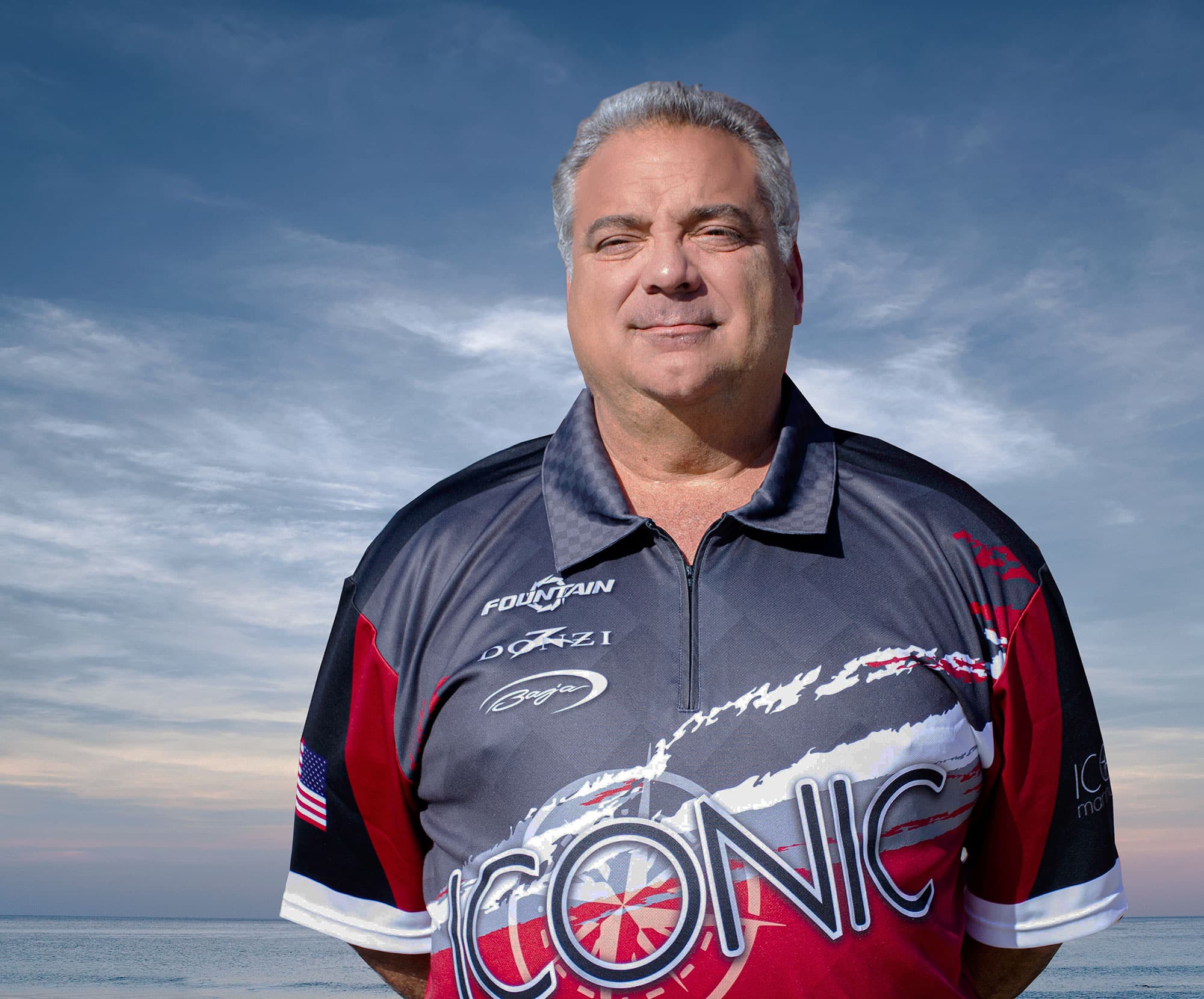
He had initially gone to the boat factory to discuss making Big Thunder a dealer. He saw a larger opportunity. Yet producing boats proved more demanding than he had expected. In truck equipment, he explained in 2020, he worked with steel that could be cut, bent and welded. Boatbuilding began further back, with resin and fiberglass. Familiarity with manufacturing did not make the materials interchangeable.
The acquisition also required renewed direction for the brands and investment in a factory and models that needed updating. Ross installed a leadership team. By the time of a 2020 interview, Iconic had introduced six new models and revived more than a dozen over the preceding two years. Machinery was only part of what needed attention.
The trophy episode belongs here. Ross studied Fountain’s history and recognized the significance of its founder. Sending the awards back gave that recognition a physical form. A business can change owners while its achievements remain attached to particular people. There is a certain good sense in keeping the distinction clear.
He could also acknowledge his own misjudgments. An early attempt at a boat speed record had come too soon, he said in 2020. He still wanted to return to it, without fixing a date. “It’s on the back burner but the burner’s still on.” The sentence allows for both impatience and a revised schedule, an accommodating arrangement for an entrepreneur.
A different chair, the same hometown
On March 20, 2023, Ryan McMonagle succeeded Ross as Custom Truck’s CEO. McMonagle had joined as CFO in 2015, become chief operating officer in 2017 and added the presidency in 2021. The handover followed years of working together. Ross continued as Founder, with transition support and special projects in the announced remit.
That September, he was commenting on another practical equipment development: Load King’s Lightning PTO, an electric system for powering hydraulics. Offered on new equipment and as a retrofit, it connected newer technology with machines and working arrangements customers already understood. The company’s product story was continuing beyond the founder’s tenure as CEO.
In its April 2026 disclosures, Custom Truck still listed Ross as Founder and a director. The business he helped start had acquired investors, other companies and a public listing. His hometown remained part of its identity. The service station, the truck shop, the renewed steel buildings and the boat factory give the career its shape: places where a person could look at what was already there and decide what useful work might come next.