In the early 1970s, motocross motorcycles were getting more suspension travel. Their shocks were failing. Bob Fox, an engineer who raced for fun, had a peculiarly useful combination of qualifications: he understood the machinery, and he was one of the people being let down by it. He began drawing a replacement in pencil and making prototypes in a friend’s garage. The opportunity arrived as a broken part.
- FOX sells suspension to vehicle makers and riders buying upgrades.
- Racing supplies demanding tests, feedback and a recognizable badge.
- A costly baseball acquisition exposed the limits of expanding that formula.
That beginning explains more about Fox Factory than its logo does. Suspension lives between a vehicle and an uncooperative surface. Get it wrong and the rider feels every mistake. Get it right and the rider can pay attention to something else. Fox built its reputation by finding customers unusually qualified to notice the difference.
The customer who could feel the difference
In a 2024 interview, Fox recalled a market full of failing equipment and racers who wanted a replacement. By 1976, Kent Howerton had won the AMA 500cc motocross championship with FOX Air Shox. A prototype had become equipment someone could win on. The company’s heritage begins in 1974; Fox established the separate FOX Factory business in 1978.

The applications multiplied. Tom Sneva won the 1983 Indianapolis 500 on FOX suspension. Cannondale specified FOX for its first dual-suspension mountain bikes in 1993. FOX entered bicycle front suspension in 2001. These were different vehicles, but they gave the engineers related problems: how to manage movement, absorb impacts and control the return after compression.
Then came a truck. Fox remembered Ford engineers visiting suspension specialist John Marking with an off-road project. Within two weeks, he said, FOX had shocks ready to test. More tuning followed. The relationship put FOX internal bypass technology on the 2010 Ford F-150 SVT Raptor. The decisive sales presentation, in this telling, was a working part.
“The need was created by broken shocks and disappointed racers!”Bob Fox / Founder, December 2024
One problem, several checkout lanes
A spring lets a wheel move. Damping controls that movement. FOX sells the hardware and tuning that make the combination useful, whether the customer is descending a rocky trail or driving a truck off-road. Its range includes bicycle forks, rear shocks and dropper seatposts, alongside suspension for trucks, motorcycles, side-by-sides, ATVs and snowmobiles.
Different vehicles. A shared engineering problem.
The business has several routes to the rider. An original equipment manufacturer, or OEM, specifies a component before the vehicle is sold. An aftermarket customer upgrades something already owned. Dealers, distributors and direct online sales connect the two worlds. FOX also services suspension, while the wider group sells wheels, lift systems and modified vehicles.
Those channels make the logo valuable in different ways. A manufacturer needs a part that works within a particular vehicle program. An enthusiast needs a reason to spend more. FOX’s racing program provides a place to test ideas and collect athlete feedback; its service operation helps keep the purchased hardware working. The company lists roughly 270 OEM customers and more than 9,600 retail dealers and distributors worldwide.
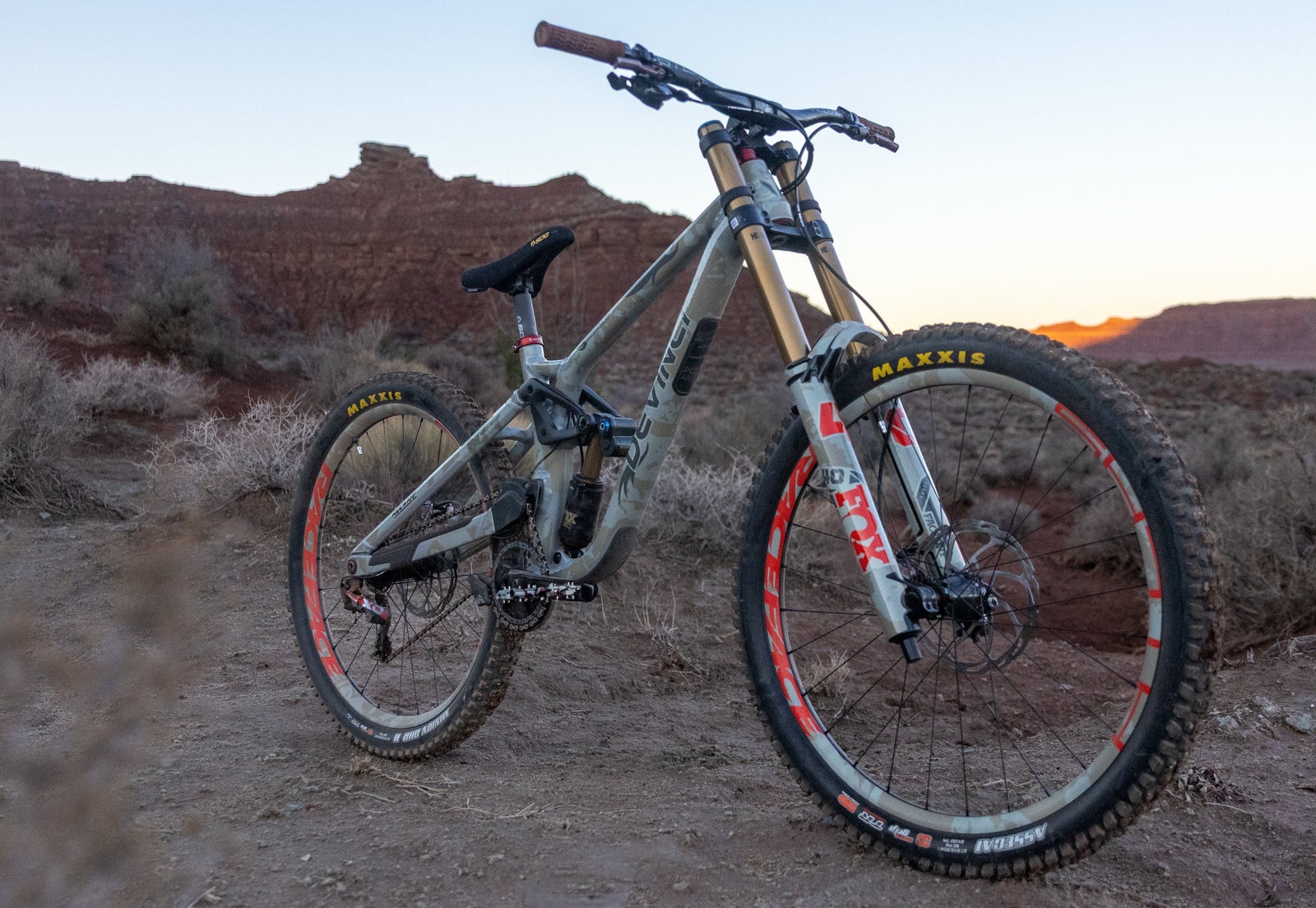
By fiscal 2025, consolidated sales were $1.467 billion, including Marucci. Yet the founding culture still supplies a useful explanation of the products. Fox has described colleagues who race the vehicles they help equip. That gives an engineer a second kind of meeting with the customer: a ride. The company’s published values include trust, collaboration and service. Their practical test comes after purchase, when someone needs a replacement part, a setup adjustment or a technician who understands what the rider means.
Competitors have plenty to offer. RockShox, Öhlins and other specialists compete in bicycle suspension; Bilstein, King and Icon appear among the powered-vehicle alternatives. FOX’s position combines racing visibility, vehicle-specific engineering and distribution. Buyers still have to compare the actual application. A familiar decal cannot establish compatibility.
Consider Live Valve Neo, the wireless rear-shock system. FOX says it reads terrain inputs 400 times per second and changes damping in 1/70th of a second. Its current US DHX listing shows a $1,039 shock and a separate required $439 kit; the coil spring is extra. That is $1,478 before spring, tax or installation. FOX publishes frame incompatibilities. A clever shock remains the wrong purchase if it cannot fit.
The expensive stretch
The more interesting corporate question was how much of FOX’s success could travel beyond suspension. In November 2023, the group bought Marucci Sports, the baseball and softball equipment business, at a $572 million enterprise value. The acquisition announcement argued for shared manufacturing, sourcing and engineering benefits, and more diversified revenue.
Sale value was about 39% of purchase value. These transaction values do not measure the total investment return.
There was a problem with the timing. Bike-related sales were already under pressure from excess inventory in 2023. A respected component supplier could still lose orders when its customers had too much stock. Expanding the portfolio offered another source of demand, but introduced another set of assumptions about what the parent company could improve.
On September 25, 2026, FOX sold Marucci at a $225 million enterprise value. The consideration included $200 million in closing cash and a $25 million note. The cash went to debt reduction. Mike Dennison, then CEO, said Marucci had not delivered the expected returns inside Fox. This was a measurable change in judgment: capital would move back toward the balance sheet and performance products.
Start with the failure
The reset continued. On October 16, Doug Grimm became interim CEO as Dennison stepped down. FOX lowered its 2026 sales outlook to $1.35 billion-$1.38 billion. Its preliminary third-quarter update described supply disruption, upfit operating problems and softer bike sales among the pressures. Those were preliminary figures, not completed quarterly results.
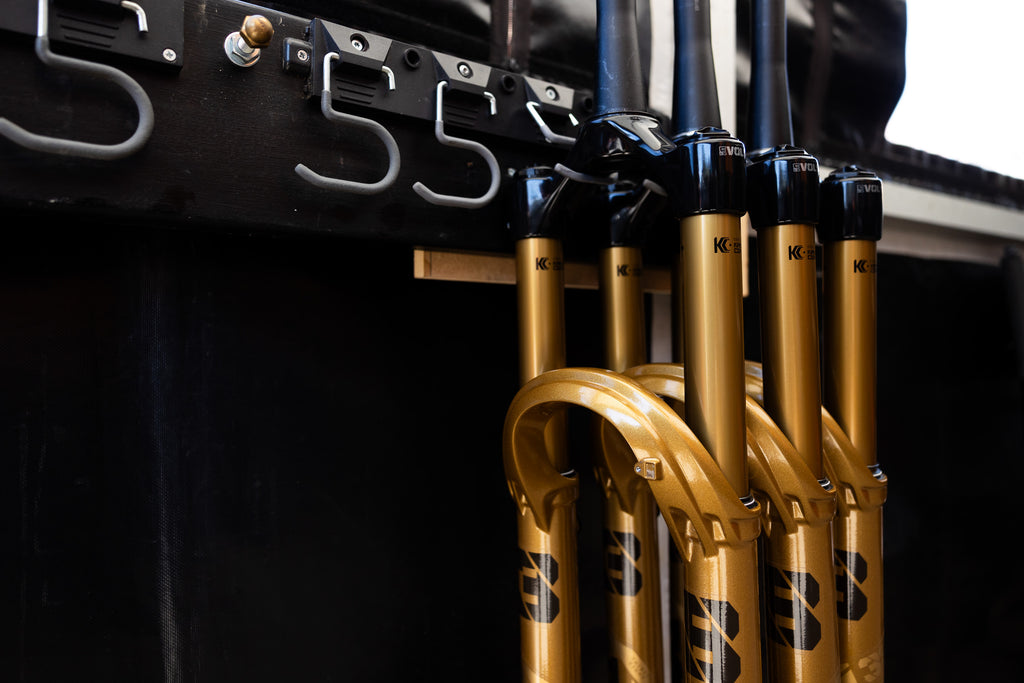
For a rider, the useful lesson is practical: identify the problem, check fitment, get the setup right and budget for service. For a builder, my reading is similar. FOX’s early moves followed a technical problem into places where the same knowledge mattered. The baseball purchase required a broader theory of competence. Anyone can copy the discipline of the garage: start with something that fails repeatedly, then let a demanding customer judge the fix.
Keep your tires on the ground
Explore / Watch / Set up