A worn-out brake pad is an unlikely invitation. It is dirty, exhausted and singularly bad at impressing anyone. Yet at FCP Euro, the Connecticut retailer of European car parts, it can begin another transaction. Buy its replacement. Send the old one back. After approval, receive store credit against the original purchase. The object has finished its useful life. The relationship has somewhere else to go.
- European parts, bundled for actual repairs and backed by practical instruction.
- A lifetime replacement program that includes eligible wear items, with conditions.
- A growing warehouse network built to shorten the distance between diagnosis and delivery.
That arrangement reveals something about the customer FCP Euro wants. Someone keeping an aging BMW, Volvo or Mercedes needs more than today’s cheapest component. They need the next repair to feel manageable. A car can be a pleasure to drive and a nuisance to own. FCP’s business occupies the narrow, profitable space between those two experiences.
A dorm room, then a very large shelf
Harry and Kathy Bauer established Foreign Car Parts of Groton in 1986. Their son Nick began selling Volvo parts on eBay from his college dorm room in 2000; his longtime friend Scott Drozd joined the following year. The company’s account of those early days includes handwritten shipping labels because printers were beyond their budget. The internet had arrived. The office equipment had some catching up to do.
Bauer and Drozd took the business online in 2001. Bauer became president; Drozd became CEO. What survived the move was the specialist’s proposition: help the owner choose a suitable part and keep the car running. What changed was the number of people who could reach that specialist without driving to Connecticut.
“Our goal always is to keep our customers for life.”FCP Euro’s company story
By August 2025, FCP Euro reported more than a million customers served annually, 350 employees and $60 million in inventory. Those are company-reported figures, but they describe a substantial physical operation beneath the website. Every click eventually has to become the correct object in a cardboard box.
The missing bolt is the product
FCP sells genuine, OE, OEM and aftermarket components, alongside tools and performance parts. Its territory is European ownership: BMW, Audi, Volkswagen, Mercedes-Benz, Volvo and Porsche, among others. DIY enthusiasts shop there, as do professionals through wholesale accounts. Dealer counters, European specialists such as ECS Tuning and Pelican Parts, and broad catalogs such as RockAuto offer other routes to a repair.
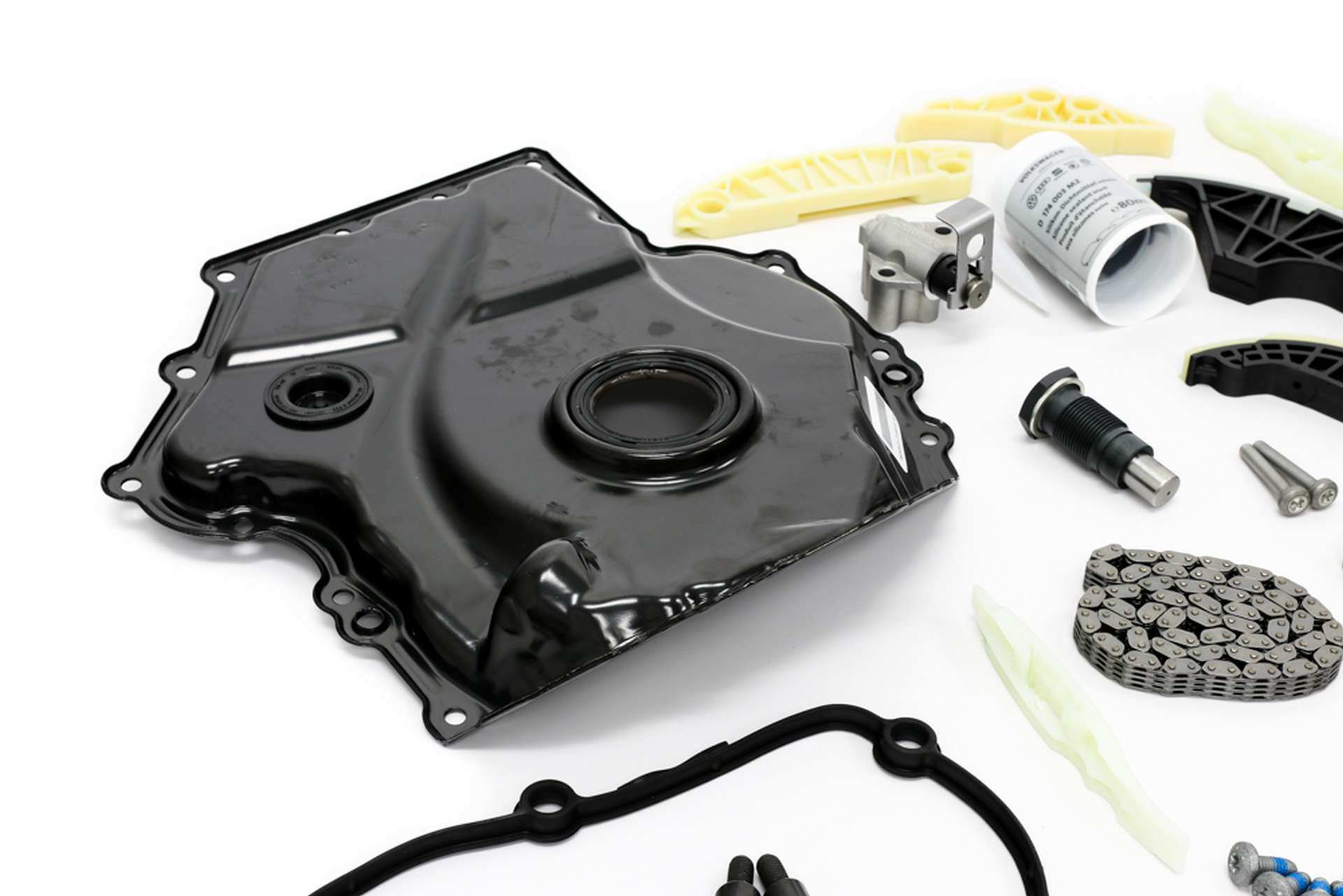
FCP’s useful distinction is how it connects the parts to the job. A service kit gathers the components for a particular repair. Its instructional library explains procedures, tools and torque specifications. The customer can move from “I need to fix this” toward a shopping list and a method. The forgotten small component is less likely to announce itself halfway through Saturday.
This is also a way of selling expertise. Vehicle fitment and supplier distinctions make automotive shopping unusually unforgiving. A plausible-looking component can still be wrong. FCP’s make experts curate kits using repair experience; its support team helps customers navigate purchases. The retailer earns money on products while the education gives customers a reason to attempt the work and a place to buy what it requires.
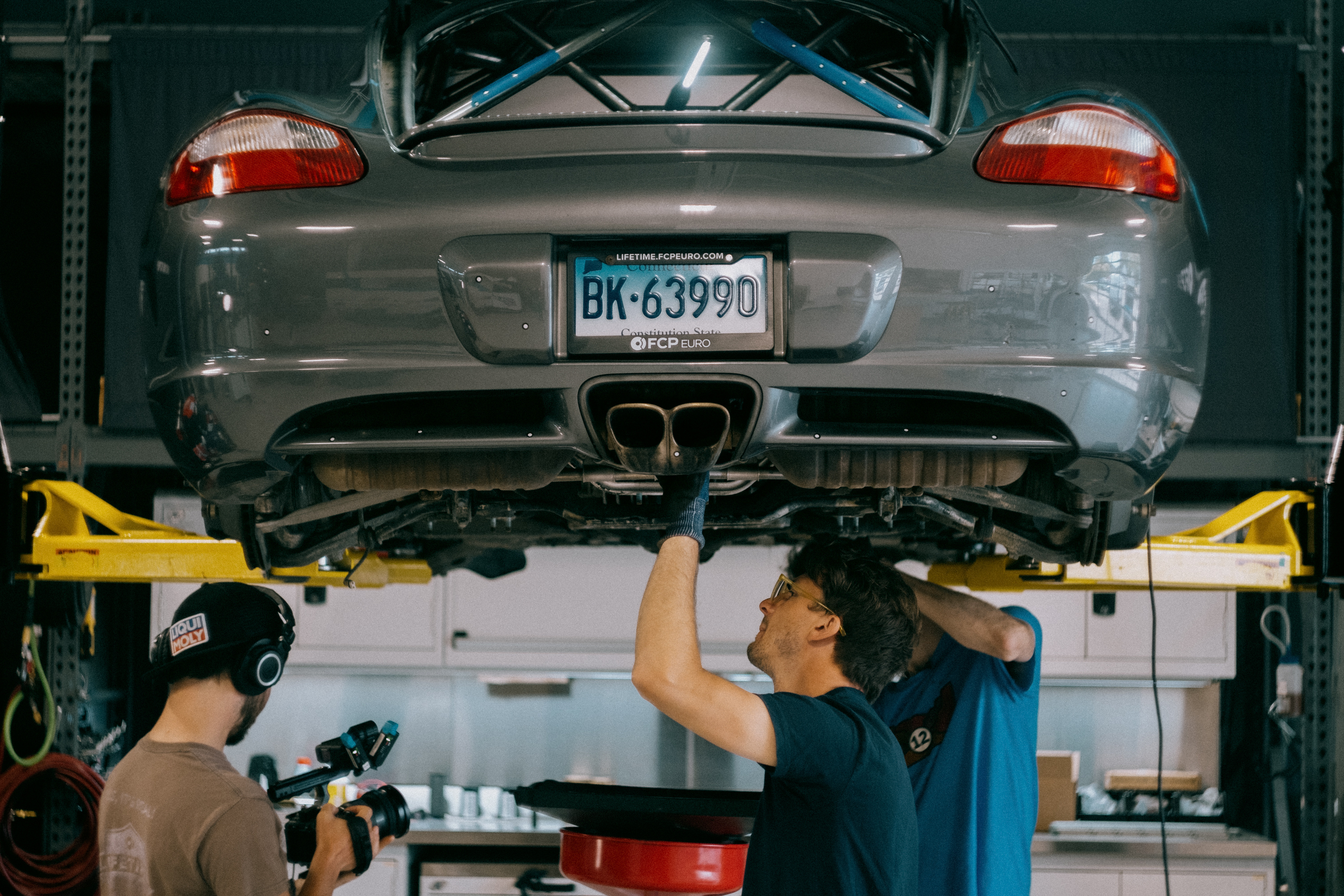
The enthusiasm also leaves the workshop. FCP announced a ten-year partnership with Lime Rock Park in 2021, and its documented work with LIQUI MOLY connects supplier products, racing and content. That makes the culture visible to customers: the same people selling components have reasons to talk about how cars behave when those components are used.
The promise meets arithmetic
The lifetime program arrived in 2012. Its unusual feature is that eligible wear items, including brake pads, filters and wiper blades, are covered alongside other parts. That changes the comparison from a single checkout price to the cost of repeated maintenance during ownership.
Parts circulate through the return process. Credit stays in the customer’s account.
The economics required an adjustment. In October 2022, Drozd wrote that appropriate use had increased, alongside orders straying from the program’s original spirit. He said the guarantee needed greater sustainability. From November 1, new purchases moved to store-credit refunds at the original purchase price. Older purchases retained legacy treatment under the published terms. The policy change shows where the pressure appeared: administering a growing promise.
Consider the company’s own example: pads originally bought for $50 later cost $55. The approved credit is $50. Customers still fund the replacement upfront, pay return freight and cover labor. Current rules also exclude certain one-use supplies and allow denial for abnormal claims. The guarantee belongs to the original purchaser while they own the vehicle. Businesses are excluded from the personal-vehicle program.
For a long-term owner with recurring maintenance, that credit can be useful. For someone selling the car soon, paying expensive international freight or outsourcing every repair, the calculation is less attractive. A lifetime promise has value only when a customer has both the occasion and the practical ability to use it.
You cannot ship confidence from one coast
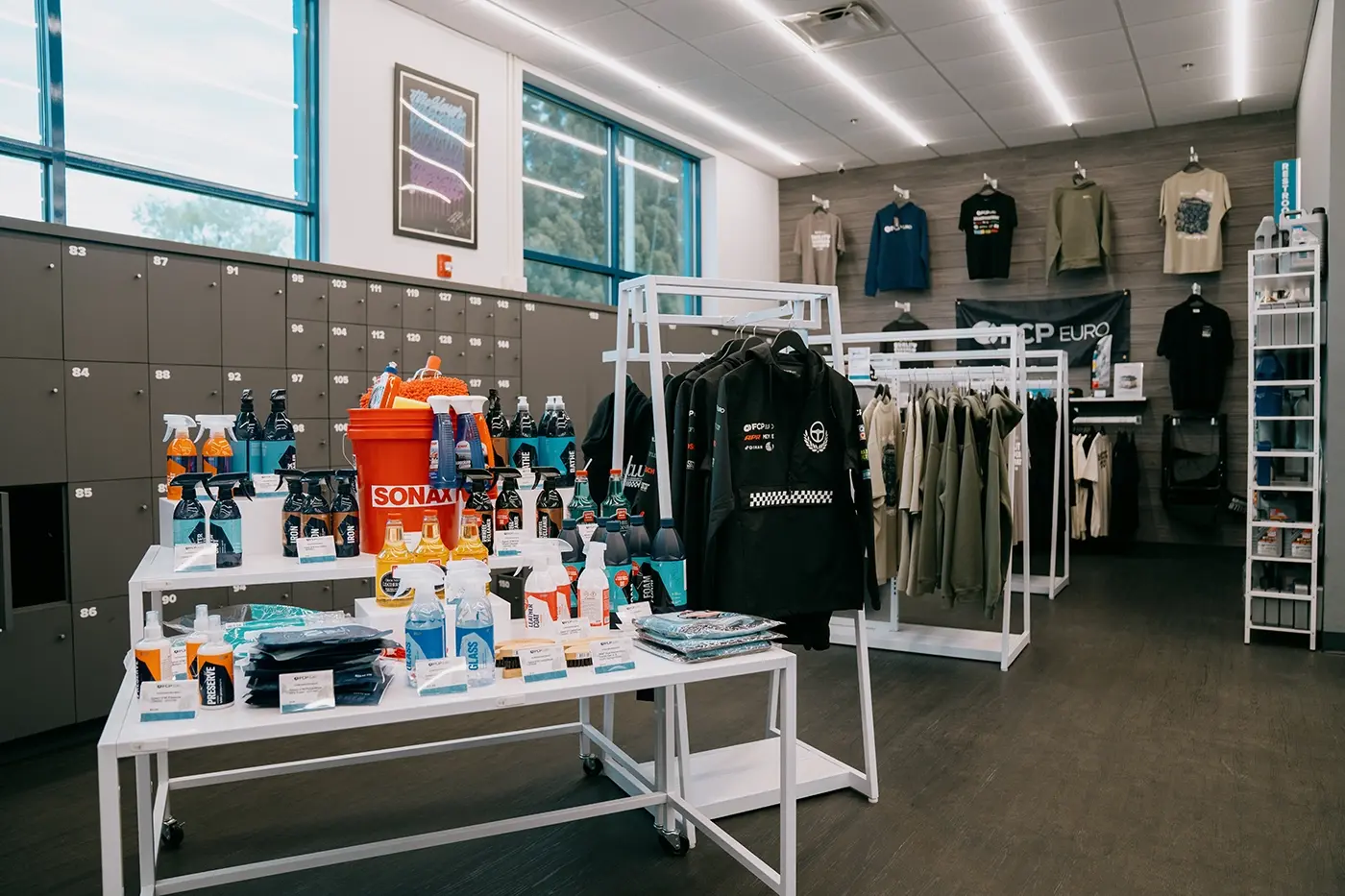
Good advice loses some charm when the car remains stranded waiting for a box. FCP announced $25 million in Series A minority investment in October 2023, with geographic expansion and customer experience among its stated priorities. By February 2024, its Mesa, Arizona distribution center was fully operational, complementing Connecticut fulfillment.
$30m+ Planned Jacksonville capital and inventory investment. Opening targeted for early 2027.
In August 2026, Drozd described a planned Jacksonville center costing over $30 million across capital investment and inventory. The reported opening target was early 2027. The rationale was familiar: get closer to Southeast customers, add capacity and reduce transportation costs. This remains a plan, rather than an operating third center.
The lesson in the cardboard box
Other retailers can copy the sequence: understand the whole job, teach it clearly, bundle the necessary pieces and make returning worthwhile. They must also price the promise and publish workable rules. FCP’s own revision makes that last step hard to overlook. Enthusiasm gets a customer into the garage. Accurate advice, available inventory and a replacement policy give them reasons to stay with the retailer when the next part wears out.