A teenager can choose a smartphone, master its camera and organise a social life inside it. Paying for something can still require an adult. The interesting gap is between those two kinds of independence. Fam built its original business there: a young person with a phone, some money to spend, and too many requests for permission between wanting something and buying it.
- The opening: prepaid payments for Indian teenagers without their own bank account.
- The hook: a numberless card, later personalised with doodles.
- The test: a 2023 wallet infrastructure disruption and rebuild.
- The next act: FamX spending accounts for teens and adults aged 11 and above.
The customer who could choose a phone, but not pay
Sambhav Jain and Kush Taneja met at IIT Roorkee. Before payments, they worked on a mess-management app that became the institute’s official dining app. In their 2021 interview, they described brainstorming across food, ride sharing and payments. By their final year, they had decided to skip placements. FamPay was founded in 2019 and joined Y Combinator’s summer batch.


The early proposition was concrete. Parents could send money to children, who could make online and offline payments without opening a conventional bank account. A purchase no longer needed to become a small family production involving borrowed card details and an adult’s one-time password. Parent consent was part of the original design. Independence had a boundary; that was part of what made the offer plausible.
Fam’s insight was to approach financial education through an action people already wanted to perform. Spending brings choices into focus: this purchase now, or money left for later. The company’s mission concerns financial awareness. Whether using the app improves financial literacy is a separate question, but the product gives that ambition an everyday setting.
Plastic with a personality
The original FamCard kept its payment details inside the app rather than printing them on the card. In July 2021, the Visa partnership added FamCard Me, offering more than 200 doodles and signature fonts. Users could choose a name and design. A financial object acquired some of the expressive possibilities of a phone case.
That detail matters because first products carry emotional weight. A first card is a little declaration of adulthood, even when the money still comes from home. The numberless design served a practical purpose; the doodles made it desirable to possess. Fam was competing for a young person’s affection as well as a place in the payment flow.
“We plan to stay with them from this first step throughout their financial journey by evolving the product as they grow.”Kush Taneja, June 2021 funding announcement
The company announced a $4.7 million seed round in March 2020, followed by a $38 million Series A in June 2021 led by Elevation Capital. Its announcement counted two million registered users within eight months of launch. Registration is an opening gesture, of course. Becoming someone’s regular payment habit takes considerably longer.
Announced rounds. Investment in the company, not the price of using the app.
When the plumbing became the product
Then came a problem no amount of doodling could fix. In early 2023, the programme underneath Fam’s IDFC FIRST Bank arrangement ended. Moneycontrol’s later account described disrupted services and a migration to Tri O Tech, a previously acquired entity with a prepaid payment instrument licence.
The rebuild meant fresh verification, replacement cards and another platform. Those are awkward requests to make of customers who came for convenience. A payment app’s interface can feel entirely its own, while critical parts of the service depend on organisations the customer barely notices. When that arrangement fails, the distinction offers little comfort at the checkout.
This was a documented operational failure with consequences for trust. It also changes how to read Fam’s history. The promise to grow with users appeared in 2021; the infrastructure disruption came later. The subsequent widening of the audience should not be reduced to a tidy tale of one crisis producing one brilliant idea. Both ambition and necessity were present.
A spending account grows up
Today, FamApp by Trio markets FamX to everyone aged 11 and above. It offers a spending account, customised UPI identity, card payments and expense tracking. Its bank-linking feature also lets people pay from existing bank accounts. For an adult, the useful proposition can be keeping everyday purchases organised; for a teenager, access remains central.
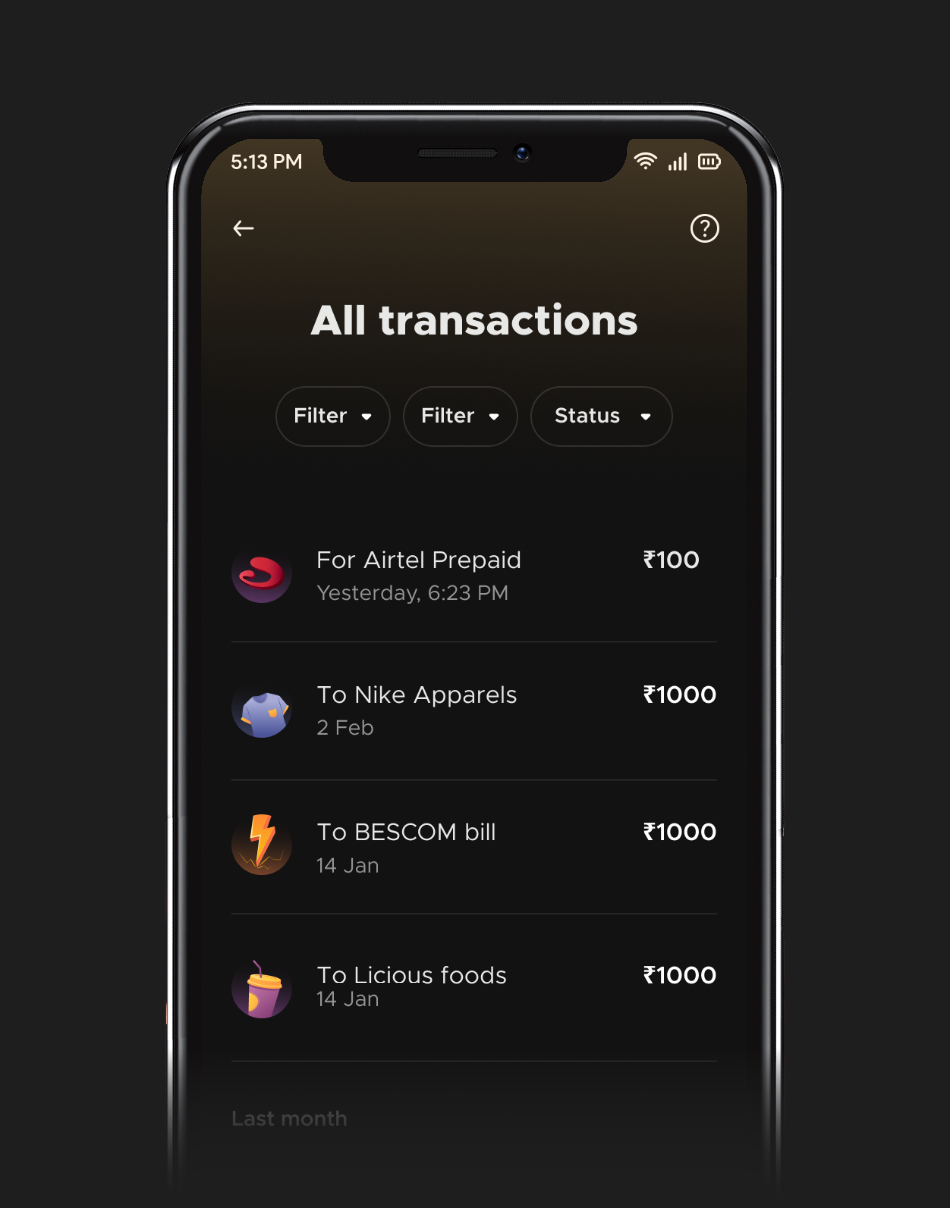
The website claims more than ten million registered users. That is a company-reported cumulative measure, not a count of daily customers. In mainstream UPI, Fam faces PhonePe, Google Pay, Paytm and BHIM. Its distinctive offer combines youth access, a separate spending balance and personalisation. Users who already have a satisfactory payment app need a reason to add another.
There are real prices alongside the rewards. Tri O Tech’s public FAQ lists ₹249 to book a physical card and says icon and QR customisation have separate in-app prices. Prepaid wallets also have verification requirements and limits. FamX is a spending product; treating the word “account” as a promise of every service a bank provides would invite disappointment.
The part worth borrowing
Fam’s transferable idea is to find a missing capability before inventing a new habit. Teenagers already wanted to buy things. The founders supplied a way to do it, then made that capability personal. Another builder can copy that sequence: identify the blocked action, remove enough friction to make it usable, and earn attention through details the customer enjoys.
The conditions matter. This approach needs customers with a recurring need, usable payment infrastructure and a service they can trust. Decoration alone will struggle against an adequate existing solution. Financial education also needs more than rewards for spending. Fam’s story is interesting because a delightful first card and a dependable hundredth payment demand quite different kinds of work.