Consider the last bottle of wine you bought. You might remember the grape, the label, the price. You probably do not remember the warehouse. Yet somebody had to put that bottle in the right place, collect the order, arrange the delivery and make the invoice agree. Empire Merchants North occupies this overlooked stretch of the journey. For a restaurant or wine shop, a beautiful bottle becomes useful when it actually arrives.
- The work: wholesale wine and spirits distribution across upstate New York.
- The customer: licensed shops and hospitality businesses, rather than individual drinkers.
- The idea worth borrowing: make routine transactions easier so people have time for decisions.
The company says it serves more than 9,000 business customers and employs over 700 people. Its territory brings together restaurants, bars, hotels, nightclubs and retailers. These businesses buy for different occasions, but share an unromantic problem: they need inventory, information and delivery to line up. A distributor earns its place by coordinating those needs with the producers trying to reach them.
Three facilities. One moving puzzle.
Empire Merchants North’s own history starts in September 2007, when Colony Liquor & Wine Distributors merged with Service-Universal Distributors. Both predecessors traced their roots to the end of Prohibition. That gives the business an unusually long memory for a company with a comparatively recent birthday. It also gives its origin a practical complication. Bringing businesses together means bringing their physical work together.
A Raymond case study describes the consolidation of three facilities into a site with a 220,000-square-foot warehouse. Pengate Handling Systems helped plan the floor and electric lift-truck fleet. Rack heights reached 32 feet. Aisle spacing, bulk lanes and charging locations all mattered. The reported result was the same workload handled with fewer trucks, maintenance costs down 8 percent and annual fleet savings exceeding $70,000. Those are historical vendor-reported results, rather than a promise about today’s operation.
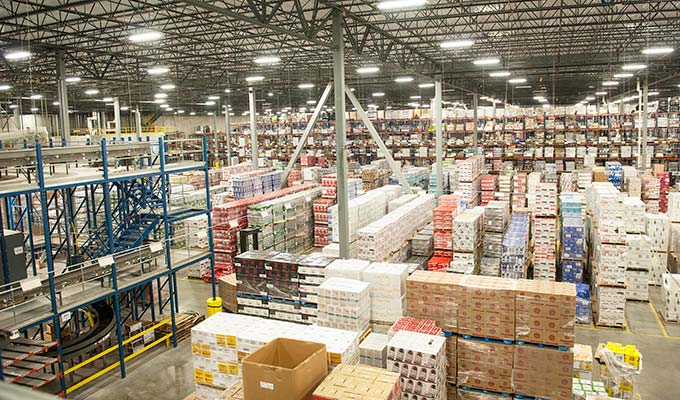
The useful detail is the order of decisions. Study the movement, arrange the space, choose the equipment. Buying machinery before understanding the route a pallet takes would reverse that logic. For another operator, the transferable lesson is to examine the work between arrival and departure before assuming more equipment will solve it.
Change the systems. Keep the date.
Later came a less visible separation. Empire had relied on an affiliated company for shared technology and business services. Clarkston Consulting’s June 2018 account describes a ten-month move to an independent platform, including SAP and roughly 20 other enterprise systems. Warehouse integration, invoicing, sales automation and business intelligence were part of the undertaking. The partner reports that no delivery dates were missed.
That outcome is a useful way to judge a technology project. The buyer waiting for a case has little reason to celebrate an internal milestone. The meaningful test is whether the change interrupts the buyer’s day. For companies contemplating their own systems replacement, Empire’s case suggests making the customer’s ordinary expectation a central measure of success.
Give the salesperson a better job to do
In May 2022, Empire Merchants and Empire Merchants North launched Empire360 with technology partner City Hive. The platform offered round-the-clock ordering, product discovery, pricing displays and account management. The announcement described an internal ecommerce team and market research during design and testing. Its purpose included reducing order-taking friction so the salesforce could devote more attention to consultation.
“ease the friction associated with order taking”Eric Pfeil, President and CEO, on Empire360’s purpose
That is a sensible division of labor. A repeat purchase and an unfamiliar bottle require different kinds of attention. A customer who already knows the item can use self-service; a customer reconsidering an assortment may benefit from a conversation. Empire’s current website also directs customers online to check inventory and pay bills. The practical attraction is having these recurring tasks within reach when the buyer needs them.
The working middle: product knowledge, ordering, warehousing and delivery.
For a buyer, the useful test is a small, familiar task. Find a product, examine its pricing, check availability and see how the account information supports the purchase. Then bring the uncertain part to the representative. Does that bottle fit the intended occasion? Does the assortment need another option? The platform makes sense when it helps the customer arrive at that conversation prepared.
The price of getting there
An online storefront cannot make the transport bill disappear. Empire’s August 2025 delivery schedule set a $5 delivery fee for sales orders of at least $500, lowering that threshold from $1,000. Smaller orders carried a $20 fee. A June 2026 notice added a separate $5 fuel surcharge to deliveries from July 1, citing transportation costs. These dated notices make order size part of a buyer’s arithmetic.
A useful purchasing habit follows: compare the landed cost of a replenishment order, including applicable charges, with the cost of holding more stock. A lower delivery fee can be attractive without making an oversized order wise. Likewise, 24-hour ordering should not be confused with immediate delivery. Account arrangements, the delivery schedule and available inventory still govern what reaches the door.
Expertise that travels with the case
Empire’s portfolio places national producers alongside local craft businesses. Its supplier directory includes Albany Distilling Company and Finger Lakes Distilling; its website also promotes Four Roses. This breadth makes the distributor a place where a buyer can explore different parts of an assortment. The relevant comparison with another wholesaler starts with the brands each represents and the territory each serves.
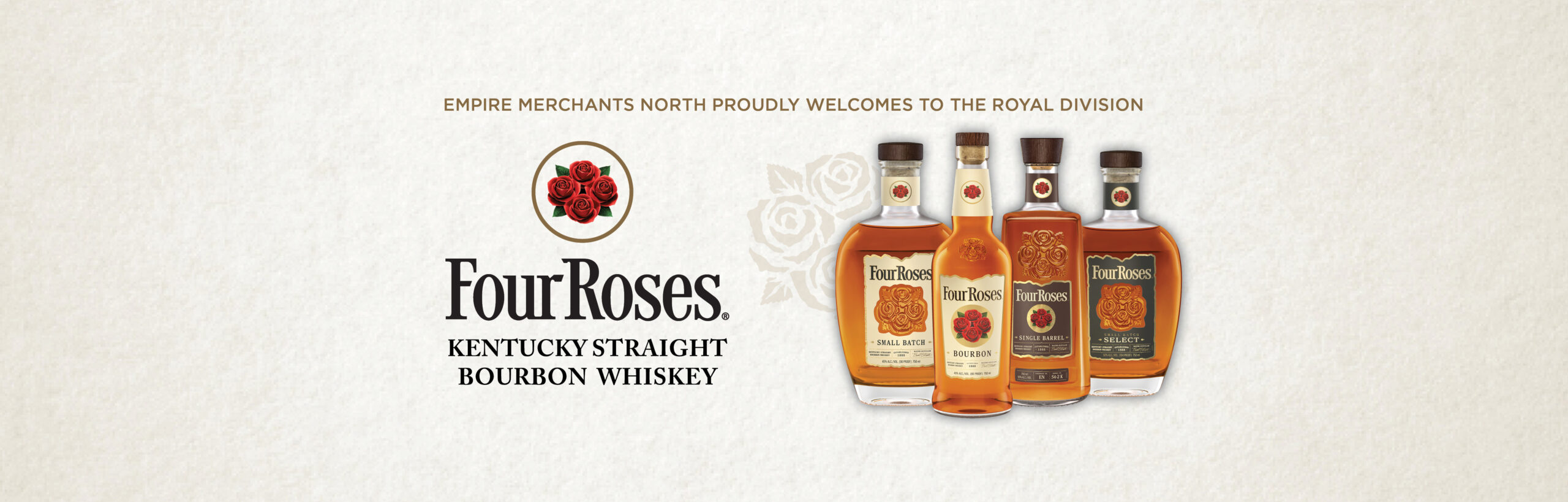
Southern Glazer’s also operates in New York, so Empire sits within a wider wholesale market. A buyer’s choice is necessarily specific: the required bottle, the available supplier relationship and the service needed for that account. A broad catalog is useful when its contents match the business buying from it.
The people handling those conversations need training. Empire advertises continuing education that includes Wine and Spirits Education Trust courses, coaching and leadership development. It says its sales associates and agency partners are TIPS certified. Its community commitments include responsible drinking and support for regional organizations. Together, these details describe the expertise the company intends to put behind the catalog.
For a prospective customer, the next step is concrete: check the portfolio, confirm service in the territory and complete the trade-account application. For another business, the more interesting takeaway is how the parts depend on one another. Better software needs dependable physical operations. Product knowledge needs time for conversation. A bottle can carry a compelling story on its label. Getting it onto the shelf takes a business built around the details.