Consider the homeowner with a furnace that has stopped working. The house is getting colder. A long afternoon comparing brands holds little appeal. Somewhere nearby, a heating contractor has an empty slot in the schedule. The difficult part is getting those two people into the same conversation, quickly enough for it to matter.
- eLocal sells qualified calls and form leads to service businesses.
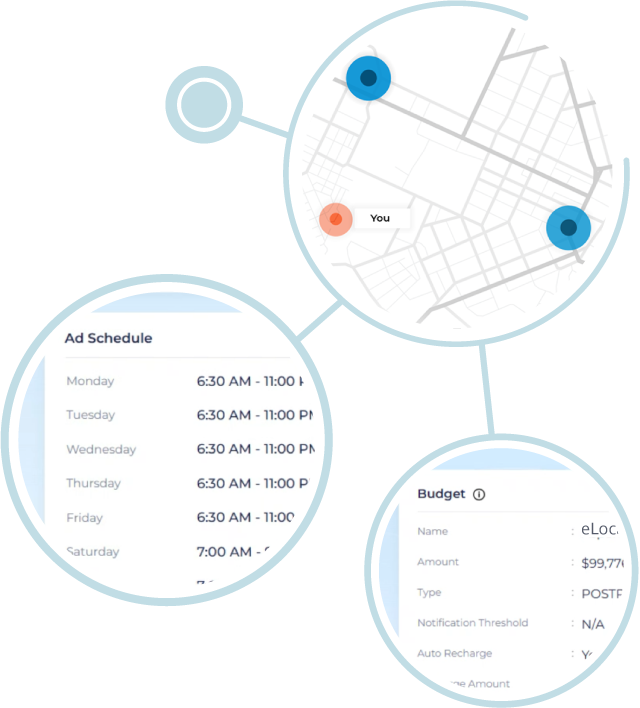
- Advertisers choose their territory, hours and budget.
- A billable opportunity can still end without a sale.
That is the transaction at the center of eLocal. Founded by Bruce and Andrew Aronow, the company connects consumers seeking help with businesses selling it. Its current website reports more than 11 million annual leads and over 4,000 business customers. The proposition is refreshingly tangible for an advertising business: somebody has a problem, and your phone rings.
The product is the handoff
eLocal sits between consumer demand and the provider’s front desk. Its affiliate program accepts traffic from search, social, display, native advertising and offline media. Calls are evaluated through interactive voice response, software interfaces or an in-house call center. Category and geography help determine where a caller goes.
For a plumber, lawyer or dentist, this takes some of the machinery of finding customers off the desk. eLocal’s expertise is in sourcing, qualifying and distributing demand. Advertisers supply the service, the availability and the person who can turn an inquiry into an appointment.
- 01FindConsumer seeks help
- 02CheckNeed + location
- 03RouteEligible advertiser
- 04AnswerBusiness takes over
There is an auction inside that handoff. Affiliate guidance describes competitive bids and a routing process that may move to the next bidder if the highest bidder is unavailable. A depleted budget or a closed office can change the destination. The inventory is perishable: a caller looking for help now cannot sit on a warehouse shelf until tomorrow.
The affiliate rules also draw a boundary around the promise. Publishers must not imply they perform the work themselves. Unsubstantiated claims and fake testimonials are prohibited. This is a marketing connection to an independent provider, so the quality of the repair or professional service remains a separate question from the quality of the lead.
Read the label on “exclusive”
eLocal offers live calls and form leads, and the distinction matters. A live call goes to one eLocal advertiser. Form leads can be exclusive or shared; shared contacts may reach as many as five businesses. Even an exclusive call does not stop a consumer from independently shopping elsewhere.
This places eLocal in the customer-acquisition budget, alongside search advertising and other lead marketplaces. Its appeal is the screened contact and direct transfer. A company buying traffic itself must do more of that work. Whether outsourcing pays depends on the cost of the contact and what the business can earn from it.
The bill arrives before the job
The charging model begins with a deposit. eLocal draws down that balance as valid calls or leads arrive. Advertisers can replenish or stop, and the company advertises no long-term commitments. Rates depend on the program and market; a single universal sticker price would misdescribe the product.
The help center spells out the risk: a qualifying call does not come with a promised booking. A caller can be in the right area, seeking the right service, and still reject the quote. Certain unanswered calls are billable, too. An empty appointment book does not automatically establish an invalid lead.
“We do not guarantee that a call will result in a booked job”eLocal Help Center
Here is a hypothetical calculation, using invented inputs rather than an eLocal quote. At $40 per call, ten calls cost $400. Book four jobs and acquisition costs $100 per job. Book two and it costs $200. The call price stayed put. The economics moved because the conversion rate changed.
Call cost ÷ booking rate. Excludes labor, materials and other costs. These inputs are not eLocal prices or measured results.
The practical lesson is to measure booked jobs and contribution after labor and materials. Restrict coverage to places you can serve. Accept calls when someone can answer. If job margins are thin, availability is poor or booking rates are low, even well-matched inquiries can become expensive.
Two callers, one broken appliance
Lead quality has a wonderfully domestic complication. eLocal’s credit guide describes one person calling about a job, followed by their spouse calling from a different number. The system cannot automatically recognize that as a duplicate. The advertiser needs to request a credit.
The guide gives advertisers four days, or 96 hours, to submit requests. That turns lead buying into a small operational discipline: review the calls, identify the problem and act while the window is open. Filtering reduces waste; someone still has to inspect what gets through.
Buying the next piece of the network
The expansion story follows that same operational logic. LLR Partners invested $25 million in 2017 to support sales, marketing, technology and acquisitions. Ring Router brought insurance capabilities in 2018. Felix and CityGrid followed in a January 2019 announcement, adding businesses that had previously competed with eLocal.
HomeServe then announced its majority purchase in November 2019, intending eLocal to anchor its US Home Experts business. Deal reporting put the agreement at approximately $140 million for 79%. Buying access to homeowners seeking service fitted a company already operating in home repairs.
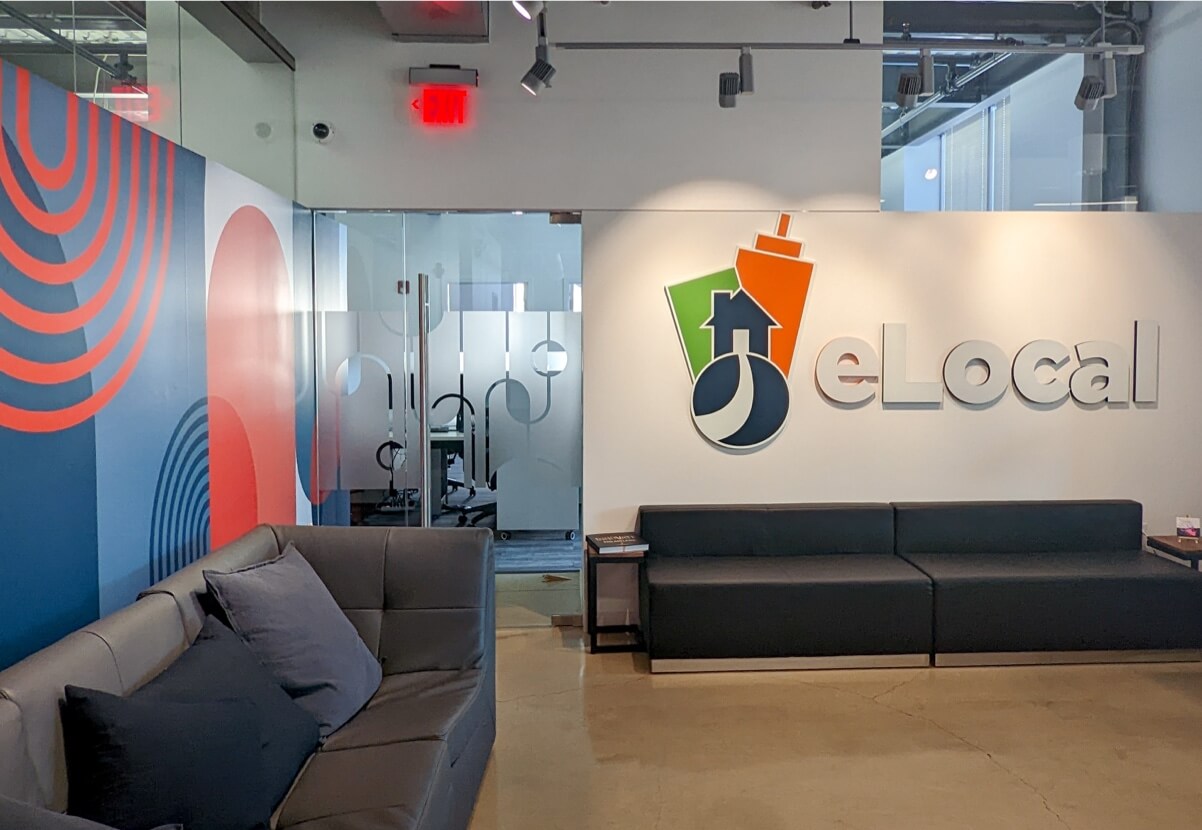
Behind the routing system is a company that describes its team as fully remote, while retaining a Conshohocken office. Its careers materials emphasize responsiveness, openness and continuous improvement, alongside flexible time off and parental leave. Those are the company’s stated commitments. In a business where a credit request or campaign adjustment affects someone else’s advertising budget, responsiveness has a practical job to do.
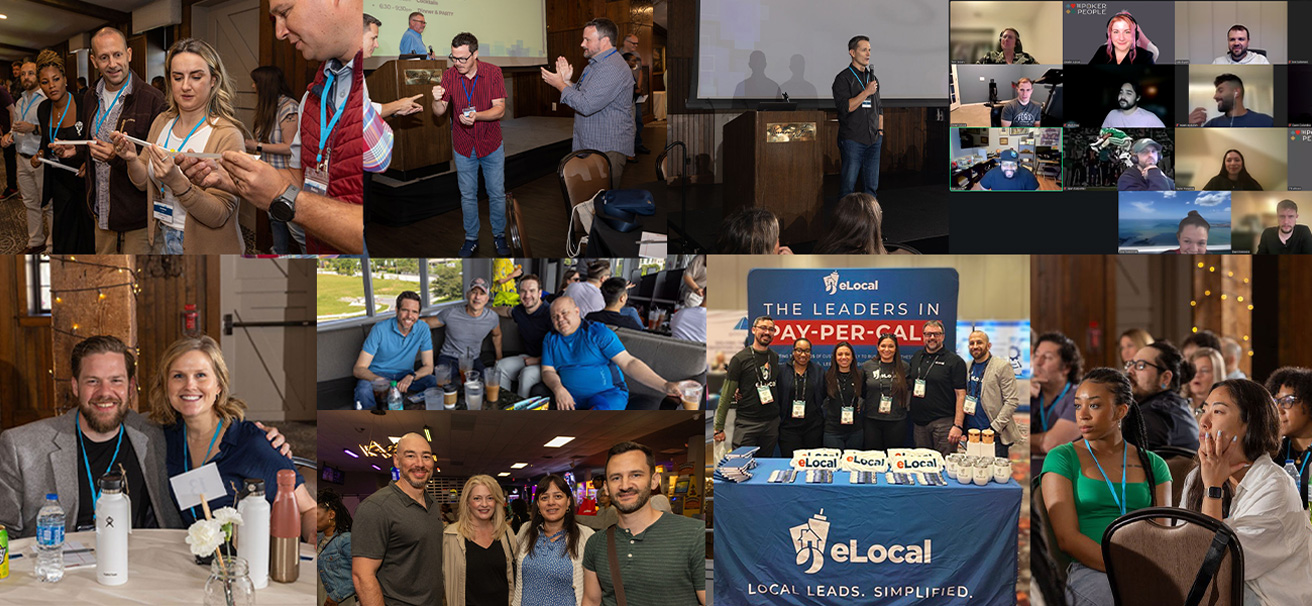
The later deals show widening ambitions. The 2024 acquisition of Bunker Hill Labs expanded form generation and owned media, particularly in legal and home services. In January 2026, eLocal and VIIRL announced a partnership intended to connect leads with centralized routing, conversion tracking and revenue attribution.
That last step addresses the question left hanging after every ring: what happened next? For a service business, the answer determines whether to buy another call. For eLocal, helping a customer see that answer makes the next conversation easier to sell.