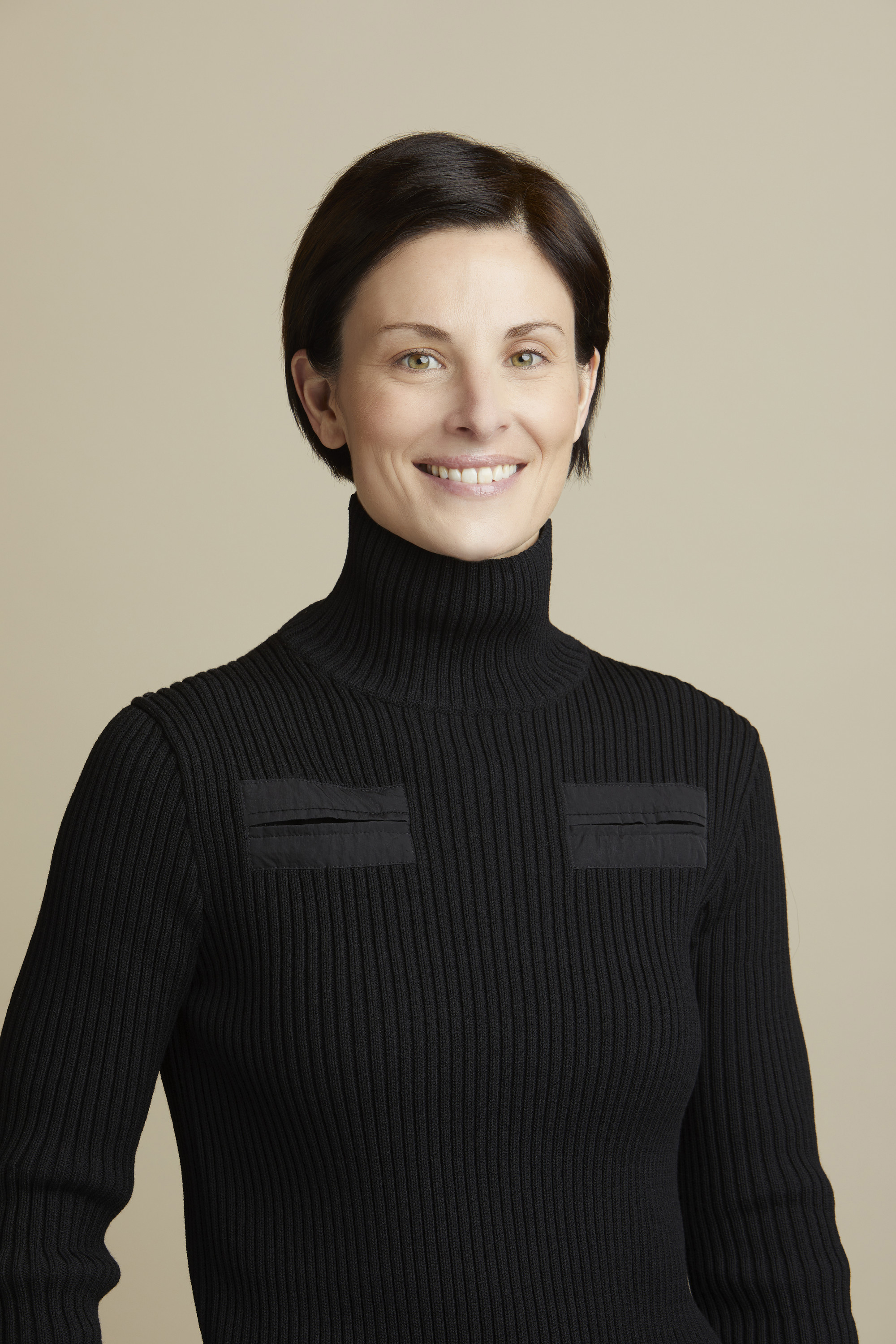
A data mind at the top of the world's biggest streamer
Elizabeth Stone is the Chief Product and Technology Officer of Netflix, the person accountable for the product, engineering, data and design work behind a service watched in hundreds of millions of homes. Her promotion to that role in early 2026 folded product leadership into the technology remit she already held, putting one executive over the full arc of how Netflix decides what to build and then builds it.
What makes the appointment worth a second look is where she started. Stone is an economist by training. She earned a bachelor's degree in economics from MIT and a PhD in economics from Stanford, and the first line on her professional resume was not a software job. It was a seat on a trading floor.
Out of school she went to Merrill Lynch as an equity derivatives trader, then moved into economic consulting at Analysis Group, where she rose to vice president. The through line across those years was not a programming language. It was a habit of reasoning about systems, incentives and data, the raw material of economics, and then acting on what the numbers said.
The pivot into operating roles came next. She served as chief operating officer at Nuna, a health data startup, and then joined Lyft as vice president of science, leading the teams that turned rider and driver data into decisions. By the time she arrived at Netflix in 2020, she had done finance, consulting, startup operations and applied science, an unusually wide base for a technology chief.
At Netflix she climbed quickly and quietly. She joined as vice president of product data science and engineering, moved to vice president of data and insights in 2021, and in October 2023 became the company's first Chief Technology Officer. No Netflix executive had held that exact title before her.
The 2026 step up to Chief Product and Technology Officer widened the job again. Where CTO centered on engineering and data, the CPTO seat added product and design, giving Stone ownership of both the question of what Netflix should ship and the machinery that ships it. It arrived as Netflix pushed into live events, advertising and AI, each of which leans hard on the organizations she runs.
Ask her what she screens for in people now and the answer is not a specific credential. It is systems thinking, the ability to abstract across business domains and design reusable building blocks rather than one-off fixes. In her telling it is the single most important skill, and she wants it across every function, not just engineering.
She is equally clear on where she thinks AI lands. AI, she argues, speeds up prototyping and analysis, but it makes deep craft in engineering, data science and design scarcer and more valuable, not obsolete. An agent can write the code, she notes, but that does not remove a person's responsibility for it.
That blend of embrace and rigor extends to how Netflix expects everyone to work. Stone frames AI fluency as a baseline expectation across all roles rather than a specialist skill reserved for a few, and one of the challenges she names openly is filtering the flood of AI-generated output without losing quality or signal.
Her leadership language leans on a phrase she returns to: excellence as an operating system. The idea is that a high bar is not an annual campaign but embedded infrastructure, wired into daily practice. It sits comfortably alongside the Netflix culture she helps steward, one without a formal performance-review process, built instead on continuous conversation, an annual 360 feedback cycle and the well-known Keeper Test.
Stone has become one of the more listened-to voices on that culture. Her first long interview about how Netflix builds excellence stayed near the top of its podcast's charts for over a year, and she was invited back to talk about systems thinkers, AI and the future of product and technology roles.
She keeps her personal creed simple. The last 5% of effort, she says, usually makes all the difference, a line she credits to her parents. It is an economist's instinct dressed as a family motto: the marginal push at the end is where the return is highest.
Put the pieces together and a coherent operator comes into view. A leader who came up through data rather than a computer science degree, who values the person who can see the whole system over the person who has mastered one corner of it, and who treats a high standard as something you build into the way work happens rather than something you inspect for later.