A convenience store is a deceptively complicated place. Behind a quick purchase sits a schedule: who opens, who stocks, who covers a break. Multiply that coordination across a retail chain and a software purchase becomes an organizational problem. GPM Investments faced a version of this puzzle. Its growth meant the workforce system had to change. The stores, meanwhile, had to keep working.
- delaPlex builds software and connects enterprise systems.
- Its distinctive work combines engineering with warehouse, workforce and retail expertise.
- Customers can hire it to implement, test and support technology through daily use.
That is a useful way into delaPlex. The Atlanta consultancy offers plenty of familiar technology services. Its more revealing work concerns the awkward agreements between applications, people and business rules. Those agreements rarely fit neatly into a product demonstration. They determine whether the demonstration survives Monday morning.
01 / The store stays open
In its published GPM case, delaPlex describes deploying Blue Yonder workforce management across 1,400 locations and 18-plus brands in 22 states. The job included an activity-based labor model and connections to legacy Kronos for time-off and timecard information. Oracle Hyperion also remained part of the data exchange.
The interesting detail is that the older applications still mattered. Modernization had to accommodate existing responsibilities. A new schedule could not simply ignore the place where an employee’s leave balance lived. This is the practical appeal of an implementation specialist: somebody has to understand the operating day as well as the software.
“We couldn’t have done it without Delaplex.”Arie Kotler · GPM Investments
Rapid growth prompted GPM’s reassessment. delaPlex’s response combined modeling, integration and deployment. For a buyer, that changes the brief: describe the operational constraint before specifying the new screen.
02 / The tiny detail that stops the machine
A separate retail technology case, published in March 2026, gets wonderfully specific. A provider needed to connect Blue Yonder workforce management to a task platform. One side used REST interfaces; the other used GraphQL. More troublesome were differences in employee records, organizational structures, naming conventions and time zones.
delaPlex built middleware that staged, cleaned and mapped data before synchronization. It added discrepancy reconciliation, monitoring and error handling. Scheduled jobs established the foundation; webhooks added immediate task updates. Scheduled fallback jobs could cover events missed during downtime.
Here is a method another team can copy: establish agreement about the data, make exceptions visible, then automate the exchange. The fallback matters because an event-driven system needs a plan for an event it never receives. Elegant architecture still has to account for a bad afternoon.
03 / Expertise you can hire
delaPlex’s market position sits between a software vendor and a client’s own technology organization. A vendor supplies a platform. The client brings its history, operating rules and existing applications. The consultancy supplies people who can work across that boundary. The alternatives include an internal team, a specialist integrator or a broader IT services firm.
Its offerings extend beyond retail: custom web and mobile development, application modernization, cloud work, data intelligence and AI/ML. Supply chain consulting covers warehouse management, workforce planning, store operations and automation. Managed services continue the relationship through monitoring, support and hosted integrations. Businesses can commission a project or add expertise to an existing team.
For a buyer building a budget, the scope should include more than development hours. Data cleanup, platform licenses, testing environments, staff training and ongoing support all deserve a line in the conversation. This is a purchasing framework, rather than a quoted delaPlex price. It also suggests how to compare proposals: ask each supplier to price the same responsibilities, with the same assumptions about who maintains the connections after launch. A smaller initial build can leave a larger operating burden with the client.
The company organizes specialist knowledge into Centers of Excellence. The commercial logic is straightforward: a client buying warehouse expertise should benefit from more than one developer’s familiarity with an API. Whether that advantage materializes depends on the people assigned and their experience with the buyer’s particular workflow.

04 / The release needs a rehearsal
Testing gives the business another route into customer organizations. In May 2024, delaPlex expanded its partnership with Cycle Labs, whose software automates enterprise testing. The agreement pairs that platform with implementation expertise and globally available Cycle-capable staff. Cycle Labs independently describes the arrangement on its partner website.
This addresses a practical buying problem. A testing tool needs maintained tests, suitable data and someone responsible for interpreting failures. Outsourcing that work can help an organization that lacks the capacity to run it internally. It also creates a continuing service relationship after the initial implementation.
For buyers, the useful question is which business journey the test covers. A successful update to one application proves little about the next handoff. Ask the implementation team to demonstrate the whole journey, including the exception that sends a record back for correction.
05 / A wider company, the same question
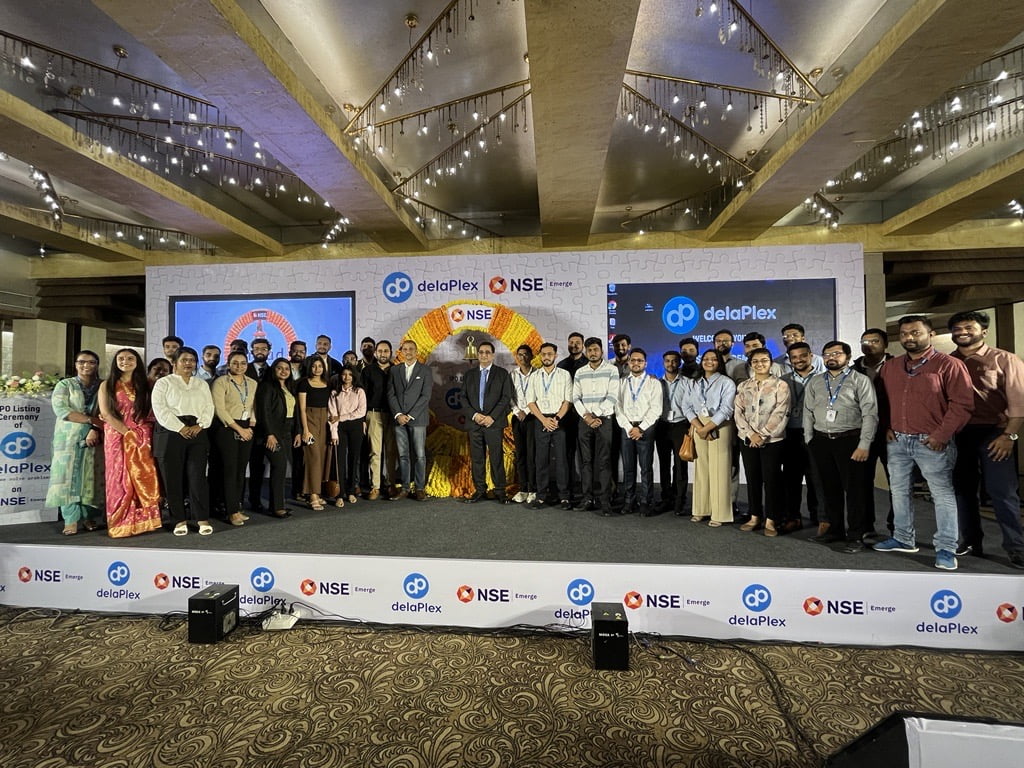
The group traces its beginnings to 2008. Its Indian affiliate, Delaplex Limited, has a separate history beginning in 2004 and listed on NSE Emerge in February 2024. Later that year, acquisition announcements added Celestia Crew’s workforce management expertise and Blueberry Systems’ UK bespoke software presence.
Expansion has also reached infrastructure. In September 2025, the Indian affiliate announced a memorandum with BTCL, a BSNL subsidiary, for a nationwide edge micro data center initiative. That announcement describes an intended network; it should be read separately from evidence of a completed rollout.
The buyer’s decision remains more intimate than the map suggests. A small business with a standard workflow may find bespoke integration disproportionate. A larger organization needs clear data ownership, operating rules and people available to resolve exceptions. Those are prerequisites for useful automation. Before commissioning another system, trace one employee, one task or one order across the systems already there. The place where the trail becomes confusing is a sensible place to begin.
Website ↗LinkedIn ↗X ↗Instagram ↗Facebook ↗Articles ↗Company news ↗