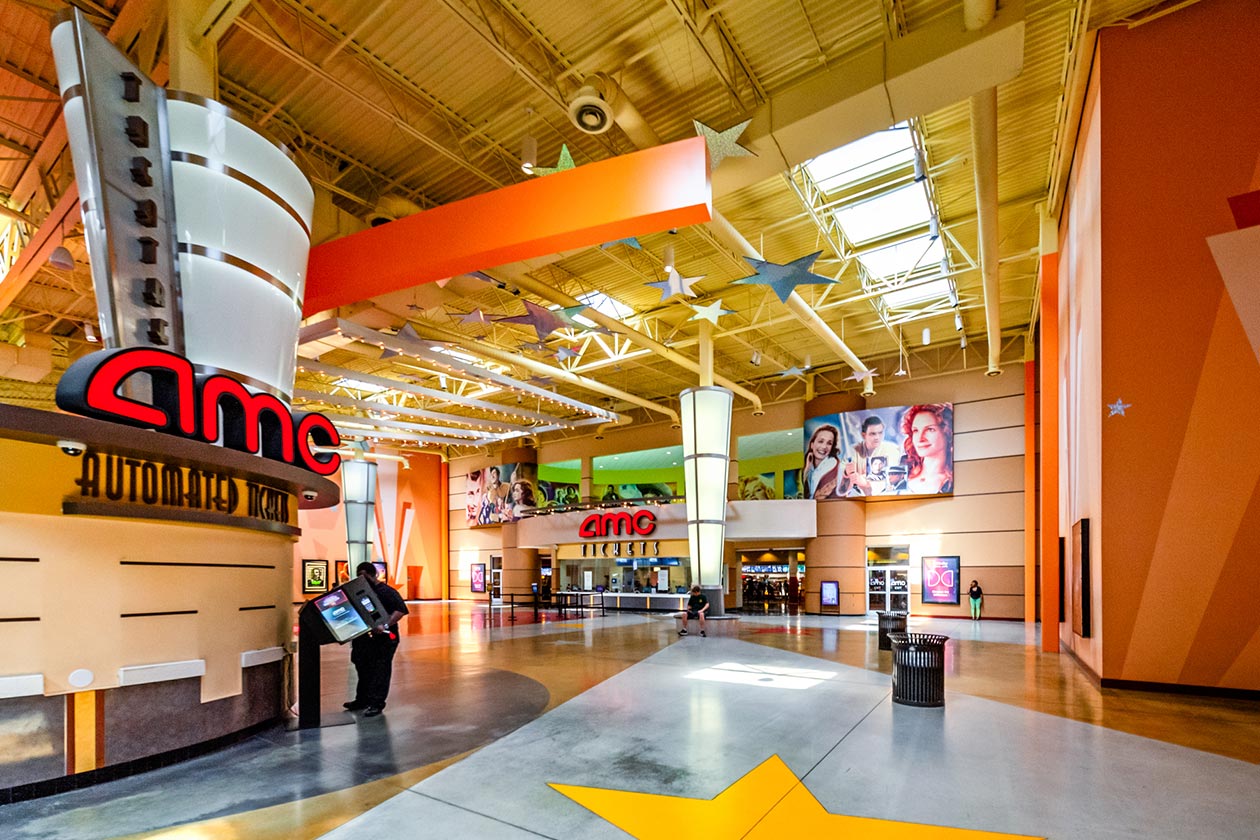
At Sugarloaf Mills, outside Atlanta, the loan had a deadline. The mall had customers. Those two facts did not fit together neatly. In 2011, the senior loan defaulted at maturity. By 2013, the property still had a reported debt-service coverage ratio of 1.5 times, yet could not refinance. A building can earn its keep and still fail the test imposed by its financing.
- CW works out troubled commercial property loans and advises investors.
- Its RealINSIGHT software organizes the loan lifecycle.
- Its Marketplace brings property and loan sales online.
That awkward gap between the building and the balance sheet is where CW becomes interesting. Its businesses connect specialists who negotiate a resolution, software that follows the loan and an auction platform that can find a buyer. The proposition is practical: keep the information close to the decision, and the decision close to execution.
The mall that needed time
CW’s account of Sugarloaf describes an argument over what a default meant. Some protection buyers favored foreclosure and liquidation. CW chose modification and extensions, directing excess cash toward principal repayment through a strategy called hyperamortization. The underlying question was whether the mall could reduce its debt while it continued operating.
By 2019, the original $135 million senior balance had fallen to $100 million, according to the case study. That dated result matters more than the optimistic forecasts that followed it. Cash had actually reduced the debt. The lesson is conditional: time can help when the asset produces money and the workout captures that money for repayment.
$35M less principal. Historical figures reported in CW’s case study.
This is special servicing, the part of commercial mortgage finance that deals with loans needing intervention. CW Asset Management works across commercial mortgage-backed securities, known as CMBS, and agency transactions. Its work can reach into leasing, property management, capital spending and disposition. Collecting a payment is only one small part of understanding whether the next payment will arrive.
The software beside the servicer
CW occupies an institutional corner of real estate. Its customers include lenders, debt investors and bondholders; its work touches offices, apartments, hotels, shops and warehouses. Other special servicers include Rialto, LNR and KeyBank. CW’s distinctive arrangement puts its servicing operation alongside a software business and an online transaction business.
There is a corporate-history wrinkle worth keeping straight. In 2012, Walker & Dunlop paid $234 million in cash and shares for CWCapital LLC, the lending subsidiary. That purchase did not encompass the whole CW Financial Services platform. S&P’s subsequent evaluation described the wider group as owned by Fortress-managed funds. The similar names can conceal substantially different businesses.
RealINSIGHT supplies the connective software. Its history dates to 1997, with a cloud-platform rebuild in 2017. Origination, underwriting, servicing and asset management sit within its product range. Banks, debt funds, mortgage REITs and other institutions can use it to consolidate loan data, approvals, monitoring and reporting.
“Built by practitioners. Trusted by institutions.”RealINSIGHT’s description of its approach
The practitioner claim has a concrete basis: CW itself uses RealINSIGHT. People dealing with loan workouts help inform software for people dealing with loan workouts. Its public offering also includes implementation and data services, acknowledging the unglamorous work of cleaning and integrating records before a dashboard becomes useful.
Loan balances managed on the platform, across 80+ institutional clients globally. This measures software usage; it is not a portfolio of properties owned by CW.
In April 2026, RealINSIGHT demonstrated AI document intelligence for operating statements and rent rolls, with human review built into the process. Extracting figures can shorten a repetitive task. Deciding whether those figures support an extension remains a separate responsibility.
For a lender, the practical use is continuity. An underwriting file can become a monitored loan, then a watchlist item, then a workout. RealINSIGHT’s configurable workflows and audit trails give those handoffs a common record. The value depends on whether the institution brings reliable information into the system and uses the controls it has configured.
The auction has a clock
Sometimes the resolution is a sale. Launched in 2017, RI Marketplace gives buyers, sellers and brokers a digital route through property and loan transactions. Buyers review diligence materials, arrange tours, submit proof of funds and obtain bidding approval. The website is one component of a process involving real capital and enforceable commitments.
The buyer guide makes the pace explicit: a winning buyer signs contracts through DocuSign within two hours and posts earnest money within 24 hours. Sellers can set confidential reserves. The auction terms also allow a platform fee on certain listings, payable in addition to the purchase price. A small starting bid tells you little about the total commitment.
- 01Read the diligence
- 02Get approved
- 03Bid, sign, fund
Marketplace’s October 2026 report puts first-half traded volume at $401.9 million across 193 assets, up 11.4% year over year. These are transaction figures. They do not represent CW revenue. The business combines servicing and advisory fees, enterprise software and services, and transaction-related income, with costs governed by the relevant engagement or deal.
For an institution comparing providers, the sensible questions follow the work. Who validates the rent roll? Who approves the change in terms? Where is the decision recorded? Who carries it into a sale? CW offers services at each of those points. The buyer’s task is to decide which combination fits its own portfolio, staff and obligations, rather than purchasing the entire menu by default.
A second chance has conditions
At 515 Madison Avenue, tenant departures and collection trouble preceded a looming maturity. CW describes a two-year extension supported by a $17 million sponsor equity commitment, including debt reduction and leasing reserves. The extra time came with new capital. The commitment is evidence of the bargain, rather than proof that the eventual payoff occurred.
Commonwealth, a Virginia industrial complex, required a different toolkit: foreclosure, leasing and an insurance claim after a building caught fire during disposition. CW reports full recovery on both notes. Software can preserve the record. Someone still has to handle the building.

There is a human version of that continuity, too. CW lists tuition reimbursement and a structured summer internship among its employee programs. In a business where a file can outlast the original underwriting team, developing people alongside the software is a sensible investment. Experience supplies context that a field in a database cannot hold by itself.
The useful idea to borrow is the discipline of separating a financing problem from an operating problem, then attaching measurable obligations to the proposed fix. An extension needs credible cash flow, capital or a workable stabilization plan. An auction needs a buyer ready to meet its deadlines. CW’s examples make the second chance specific enough to judge.