A cell tower is an odd sort of property. Its tenants do not need a lobby, a view or a parking space. They need elevation, electricity and permission to be there. Put a second carrier’s antennas beside the first carrier’s equipment, and the same structure can collect another rent check. Much of Crown Castle’s history follows from that small observation.
- The product: space on approximately 40,000 U.S. towers, plus rooftop installations and equipment facilities.
- The reset: an $8.5 billion fiber and small-cell sale completed on May 1, 2026.
- The catch: three carriers represent 93% of the latest annualized site rental revenue.
For a while, the company pursued a more expansive idea: own the tall towers, the smaller street-level antennas and the fiber joining everything together. In May 2026, it completed the sale of its fiber and small-cell businesses. Crown Castle’s next chapter would be written around the tower again. Understanding that decision requires looking at what happens when an apparently simple rental business gets complicated.
One structure. Several rent checks.
Founded in Houston in 1994 by Ted B. Miller Jr. and Edward C. Hutcheson Jr., Crown Castle began with 133 towers. By its 1998 public listing, the portfolio was approximately 1,400. By 2000, it exceeded 10,000. Acquisitions turned a local starting point into a national collection of places where wireless equipment could live.
The economics depend on sharing. A carrier can lease space on an existing structure rather than develop an entire site itself. Crown Castle supplies access to the underlying infrastructure; customers bring the equipment that operates their networks. The company has operated as a real estate investment trust since January 2014. Its tenant agreements generally begin with five to 15 years, include contractual rent increases and offer renewal options.
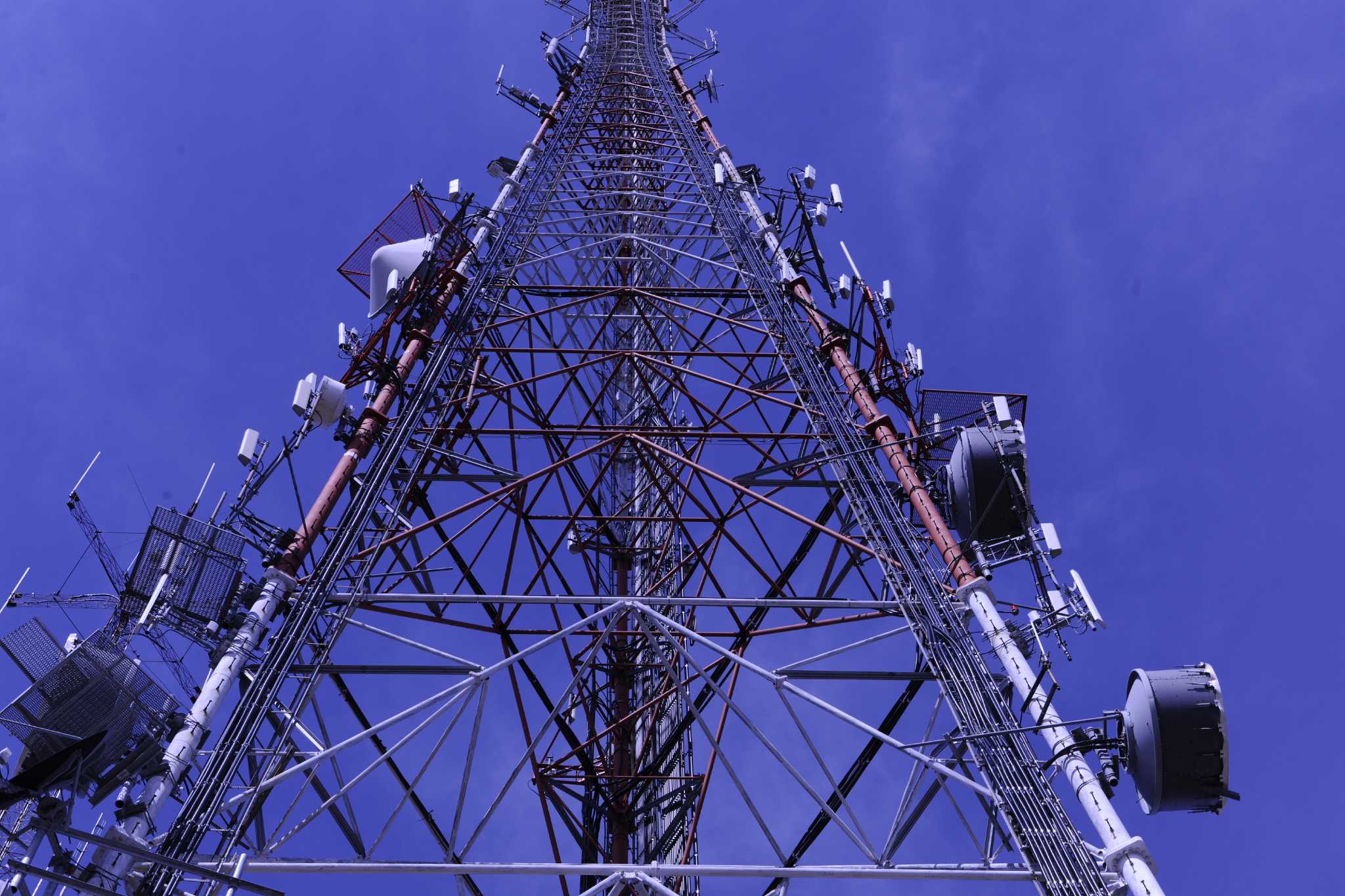
T-Mobile, AT&T and Verizon are its principal customers. Broadcasters, wireless internet providers, utilities and public safety organizations can also use its sites. For ordinary phone users, Crown Castle sits one step behind the familiar brand on the bill. It provides the place from which that brand reaches them.
The $7.1 billion idea underground
The fiber expansion had a coherent premise. As wireless networks needed more capacity, carriers could supplement towers with smaller antennas closer to users. Those small cells needed fiber. Owning that fiber could give Crown Castle another way to serve the same customers.
In 2017, it agreed to buy Lightower for approximately $7.1 billion in cash. Lightower brought roughly 32,000 route miles, concentrated in northeastern metropolitan markets. Crown Castle expected the purchase to support small-cell deployments and improve its long-term dividend growth. The wager was on how much business could be added to infrastructure already in the ground.
The record reveals where confidence weakened. In December 2023, Crown Castle announced a comprehensive fiber review alongside a cooperation agreement with Elliott Investment Management. Its 2024 results subsequently included a $5 billion goodwill impairment. That accounting charge was not a fresh cash payment, but it marked a substantial reduction in the recorded value of the fiber business. The promised economics had become a boardroom question.
“Our company purpose is to provide profitable solutions to connect communities, businesses and people to each other.”
Crown Castle’s stated purpose
In March 2025, the company agreed to sell. Zayo would take Fiber Solutions; the small-cell business would go to EQT’s infrastructure fund. The transaction closed in May 2026, with Arium Networks, an EQT company, acquiring small cells. The $8.5 billion contractual price translated into approximately $8.4 billion after preliminary adjustments. At closing, Crown Castle expected to direct more than $7 billion toward debt reduction and $1 billion toward share repurchases.
Those numbers do not make a simple acquisition-versus-sale profit calculation. Lightower was one purchase inside a larger business, with years of operating cash flows and subsequent investment. What the sale establishes is the strategic verdict: the company chose to concentrate its capital on towers.
Forty thousand sites. Three big customers.
Crown Castle competes with American Tower, SBA Communications and other site owners. Shared infrastructure is an industry model. Crown Castle’s particular proposition now combines a U.S. focus with an established footprint, customer relationships and the technical work required to make an existing site usable.
Concentration brings a tradeoff. At September 30, 2026, T-Mobile represented 42% of annualized third-quarter site rental revenue, AT&T 28% and Verizon 23%. A long lease can make a cash flow predictable. It cannot make the customer’s business stand still.
- 42% T-Mobile
- 28% AT&T
- 23% Verizon
- 7% Others
Sprint-related network consolidation reduced 2025 site rental revenue by about $200 million. In January 2026, Crown Castle said DISH had defaulted and terminated its agreement, asserting a claim for more than $3.5 billion in remaining payments. That is a claimed obligation, not collected cash. By October, Crown Castle reported third-quarter site rental revenue of $966 million, down from $1.012 billion a year earlier.
Bring a network plan, not a shopping cart.
For a prospective customer, the starting point is a coverage requirement. Crown Castle’s network map and CCIsites database help identify locations. The application then gets specific: antenna height, equipment dimensions, direction, frequency, power and backhaul. Engineering reviews, permits and construction follow. Leasing cost includes infrastructure access and applicable activation work; the commercial terms depend on the project.
There is also space at ground level. Select Edge Access offers more than 5,000 existing shelters and cabinets for equipment, with power and connectivity access. Availability matters: the right city is insufficient if the site lacks the required height, loading capacity or connections.
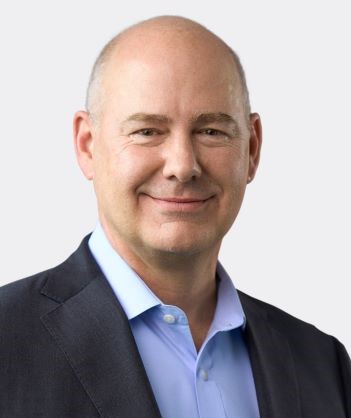
Chris Hillabrant, CEO since September 2025, is emphasizing operating efficiency, better systems and more ownership of land beneath towers. The useful lesson extends beyond telecom: reuse an expensive asset when another customer can share it, then measure the return before expanding the idea. It works when locations match demand and tenants keep paying. Crown Castle’s history shows how much those conditions matter.