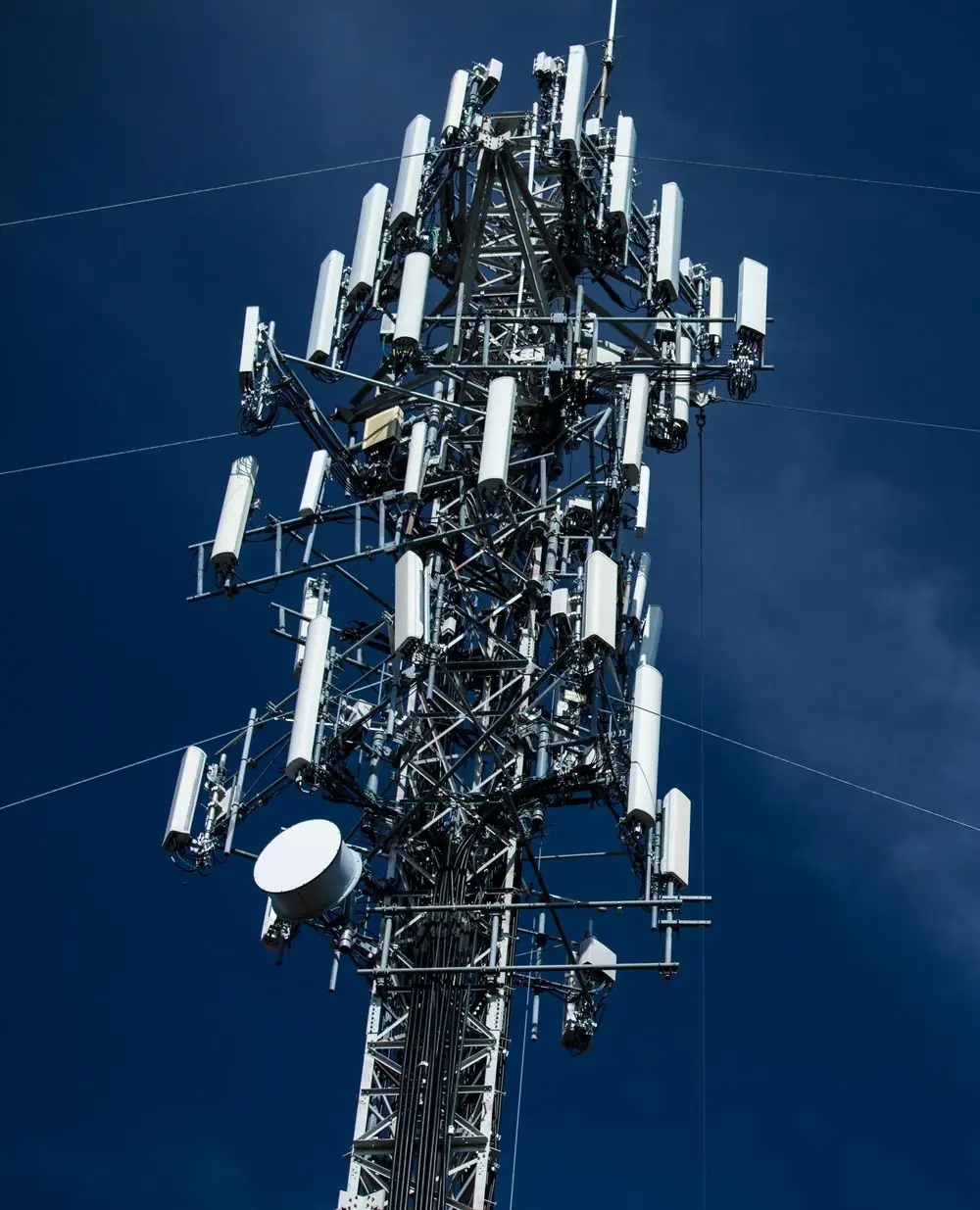
Look up at a cell tower and try to count the businesses on it. The steel structure is one business. The antennas attached to it may belong to several others. Up here, they can be neighbors. For SBA Communications, that arrangement is the point.
- Lease one tower to several wireless networks.
- Earn long-term rent; keep developing and maintaining sites.
- Watch the tenants and the financing as closely as the steel.
The Boca Raton company leases space on wireless infrastructure. Carriers bring their equipment; SBA supplies the location and the structure that holds it. A second tenant can use an existing tower rather than commissioning another one. Much of the underlying infrastructure is already there. The landlord gets another rent check from an asset it already operates.
This is why a company involved in telecommunications is also a real estate investment trust. SBA elected REIT status in 2016. Its inventory is unusually vertical, but the questions are familiar: Is this a useful location? Can the tenant pay? How long will the lease last? A magnificent tower in the wrong place is still in the wrong place.
First find the site. Then own it.
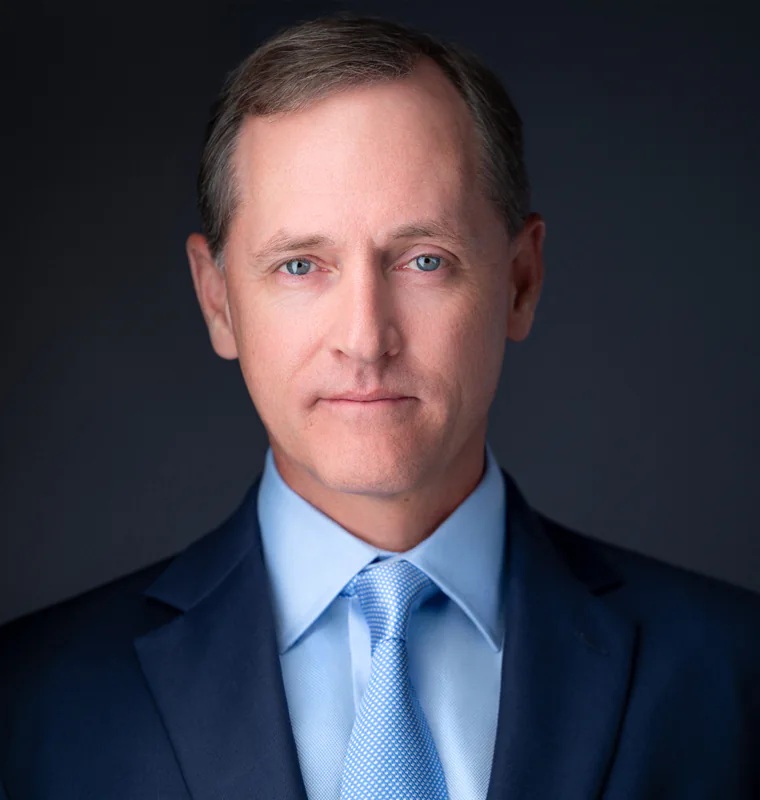
Steven E. Bernstein founded SBA in 1989. The early business helped wireless carriers develop networks: finding locations, securing access, navigating zoning and getting sites built. That work gave SBA practical knowledge of the awkward distance between a network plan and an antenna that actually goes on air.
In 1997, SBA began aggressively expanding its site leasing business. Its own history puts its Nasdaq flotation in June 1999, with $102 million raised at $9 a share. The shift was consequential. Development work earns a fee for completing a job. Owning the infrastructure creates the possibility of collecting rent long after the construction crew leaves.
The development business survived that change. SBA still offers site preparation, construction, modifications and installations. For a carrier, those services address the administrative and physical obstacles that a coverage map leaves out. For SBA, the combination joins knowledge of how sites get built with experience operating them.
“We are what’s considered a tower company.”Steven E. Bernstein / founder / 2000
A $975 million lesson in sharing
The Millicom agreement makes the model tangible. Announced in October 2024, it covered more than 7,000 communications sites across Guatemala, Honduras, Panama, El Salvador and Nicaragua for approximately $975 million in cash. Millicom also disclosed a contingent earn-out. The mobile operator would sell the infrastructure and lease back space on it.
The announced leasebacks had initial terms of 15 years. About 1,500 existing Millicom site leases would also get new 15-year terms. SBA secured seven years of exclusivity to build up to 2,500 additional sites for Millicom. The arrangement tied an acquisition to an existing customer and a potential construction pipeline.
SBA initially estimated $129 million of revenue and $89 million of tower cash flow in the acquired sites’ first full operating year after closing. Those were forecasts, and tower cash flow is a company-defined non-GAAP measure. The final remaining site closings occurred in October 2025. The economics depended on turning a large upfront payment into years of contracted use.
That same month, SBA sold its 365 Canadian towers and related operations for C$446 million. Buying in Central America while leaving Canada is a useful corrective to the idea that expansion simply means collecting more countries. Management described the transactions as steps in its portfolio review. Geography, customer relationships and price all matter.
The rent check has a counterparty
The uncomfortable part of the story is that demand for mobile data and demand for a particular tower lease are different things. A carrier merger can leave overlapping sites. A network shutdown can remove a customer. The structure may remain perfectly serviceable while the expected rent disappears.
SBA’s initial 2026 outlook removed all contracted EchoStar revenue. Its February revenue bridge included a $56 million EchoStar churn deduction, alongside roughly $55 million to $56 million of Sprint consolidation churn. These are concrete examples of tenant decisions interrupting the recurring-revenue story. A contract is valuable; the customer’s ability and willingness to perform still matter.
The towers also come with financing costs. SBA reported $12.8 billion of total debt at June 30, 2026. In July, it issued $3.5 billion of unsecured senior notes at a blended 5.113% interest rate, using proceeds principally to repay existing borrowings. That was refinancing, rather than a fresh pile of spending money. Long-lived assets still face the price of capital.
A university for people who climb
At ground level, SBA’s expertise is less abstract. Tower U, its training facility in Birmingham, Alabama, opened in 2013. SBA says every employed tower climber must complete its four-day safety certification before climbing. Training covers rescue, controlled descent, rigging and other tasks that become rather more consequential above the ground.
For customers, there are several ways in. A mobile operator can seek space on an existing tower or commission a build-to-suit site. A building owner or municipality can ask SBA to market and manage a rooftop or tower, including contracts, billing and compliance. Enterprises can explore in-building coverage through distributed antenna systems and small cells.
SBA Edge extends the location business into regional and modular edge data centers. The proposition is proximity: placing computing infrastructure nearer users and networks. These offerings broaden the menu, though the financial center remains site leasing. In 2025, leasing supplied about 91% of SBA’s $2.815 billion revenue; development supplied the balance.
The useful thing to copy
American Tower and Crown Castle offer competing tower infrastructure. SBA’s own annual report identifies location, capacity, service, geographic density and price as the important competitive factors. A carrier choosing a site needs it to solve a particular coverage or capacity problem. Corporate scale cannot make an unsuitable location suitable.
The transferable lesson is to look for an expensive asset that several customers can use at once. Secure useful locations, build operational competence and connect ownership to actual customer commitments. It works best when sharing saves customers time and capital, and when additional tenants can be accommodated economically. It struggles when tenants consolidate, financing gets expensive or the asset solves the wrong problem.
Brendan Cavanagh, CEO since January 2024, now oversees that balancing act. The interesting question for SBA is how much durable business each location can support. The next time several carriers promise better coverage in the same neighborhood, remember that their antennas may end up sharing an address.