The troublesome part of cleaning a building is often the part that happens after the cleaning. A task has been completed. Someone has written it down. The paper must reach a supervisor, who must check the work, who must tell the customer. Somewhere between the mop and the message, a perfectly ordinary service business acquires an information problem.
- CCG sells recurring commercial cleaning, with particular attention to healthcare, schools, churches, and offices.
- Local teams work within a franchise system that supplies sales tools, training, and operating processes.
- The interesting promise: make the work specific, inspect it, and leave evidence.
Corporate Cleaning Group encountered precisely this problem. Its HR documents, training records, work tickets, and inspections once depended on manual paperwork. Carrie Pratt, identified in a TEAM Software case study as an operations manager and franchise liaison, described the result in four words: “It simply wasn’t efficient.” Information had to make the journey from the field to administration and back.
The company’s response gives us a useful way to understand it. CCG cleans buildings, certainly. But its more revealing ambition is to make a dispersed, repetitive service behave like a system whose promises can be checked.
Eleven floors of learning
CCG dates its beginnings to 1993, when Len Yakuber started the business. In a company anniversary account, he recalled an early major customer: a Class A office building with 11 floors and 250,000 square feet. He was leaning on family and friends while learning how to run the operation. Then came an account large enough to expose the distance between winning work and managing it.
“I had no experience managing something of that scale, but I learned, fast,” Yakuber recalled. The building, he said, helped establish credibility. The detail matters because it supplies an unusually concrete origin for an otherwise abstract corporate virtue: follow-through. An office tower gives that virtue a considerable amount of floor space.
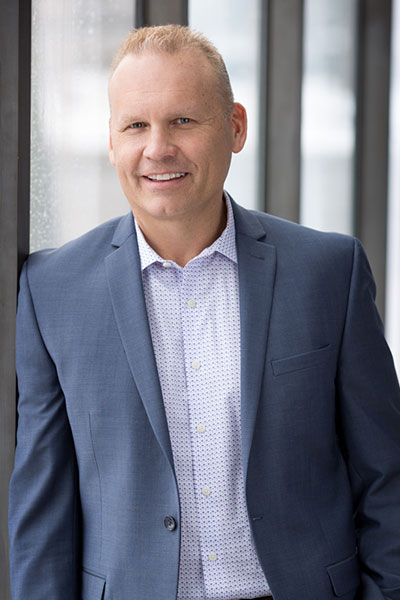
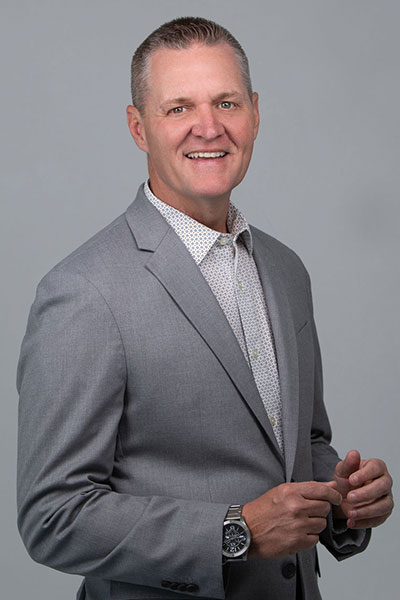
Yakuber and Devin Dollar formed their partnership in 2003. Franchising followed in 2007. That sequence is worth keeping straight: the operating business came first; the model for other owners came later. Today, CCG combines cleaning services with a franchise offering that packages training, customer acquisition, and operational support for local entrepreneurs.
The calendar is part of the building
Consider a church. It may contain offices, a nursery, classrooms, a sanctuary, and rooms that change function throughout the week. CCG’s religious-facility offering explicitly includes Sunday coverage, event setup and teardown, and cleaning after weddings and other gatherings. The square footage tells only part of the story. The calendar tells the rest.
A school presents a different rhythm: lunchrooms, locker rooms, restrooms, games, open houses, conferences. CCG advertises shifts arranged around student traffic and special events. In healthcare, its stated expertise includes bloodborne-pathogen training, accreditation site visits, and its own terminal-clean certification. These are specific operating requirements, rather than interchangeable versions of an empty office.
Corporate workplaces complete its four principal niches. The company also offers floor and carpet care, windows, tile and grout cleaning, day porters, and post-construction cleanup. Customers can assemble recurring service and occasional specialist work through one provider. Published testimonials identify organizations including Northern Equities Group, Redeemer Presbyterian Church, and the University of Michigan’s Department of Psychiatry.
Leave a trail, not a loose end
The practical machinery begins with job cards. CCG says it divides a facility into zones, assigns daily and weekly tasks around traffic, and inspects completion. Inspection forms add checks; monthly meetings give the customer a single point of contact. Its cleaning methodology also describes color-coded microfiber cloths, filtered vacuums, and attention to frequently touched surfaces.
For a facility manager choosing a provider, that makes the conversation more concrete. Ask how the building will be divided, which tasks happen each visit, and who handles an exception. A wedding added to the calendar or an unusually busy lunchroom changes the work. A useful cleaning plan needs somewhere to record that change and someone with responsibility for responding. CCG’s published job cards and client meetings give those questions a place to land.
The Lighthouse implementation addressed the information bottleneck. In the vendor’s account, CCG assembled mobile templates for forms, training, and closing checklists within less than a year. Staff could attach photographs and communicate with supervisors. Templates could then be carried into new locations. The change put documentation nearer to the work and made it easier to pass along.
The transferable lesson is modest and useful. Define a task, name the person responsible, check completion, and make the result available to whoever needs it. A photo does not establish every aspect of cleaning quality. It does, however, help replace a distant assurance with a record someone can inspect.
“It simply wasn’t efficient.”Carrie Pratt on the old paper workflow
The price of joining the system
For a prospective franchisee, CCG’s product is that operating structure. The company offers inside sales support, bidding tools, CRM capabilities, training manuals, vendor relationships, and coaching. Its advertised staffing model uses W-2 employees. The owner therefore has a people-management business to run, alongside the job of winning and keeping accounts.
Total initial investment listed by IFPG. Includes an initial franchise fee of $59,500; ongoing fees are additional.
CCG’s candidate page lists a 5.5% royalty. IFPG also lists a 1.5% brand fund and a minimum monthly local marketing spend of $1,200. Those expenses matter when comparing franchise ownership with starting independently. A network supplies systems and support, while an independent operator keeps more freedom over tools, branding, and spending.
The fit depends on temperament as much as capital. CCG asks for management experience and willingness to follow its system. Its website describes the first 12 to 18 months as groundwork for developing operations and management staff. Someone seeking immediate passive ownership would be working against that premise. The model requires hiring, supervision, selling, and patient execution.
The franchise structure creates an interesting division of labor. Headquarters can prepare a proposal tool once and make it available repeatedly. Each local operator still has to understand a particular customer, put an appropriate team in place, and supervise delivery. The shared system reduces the amount that must be invented from scratch. It leaves the difficult human work close to the building, where a missed task becomes visible and a relationship can be repaired.
That is where CCG sits in the market: a local service relationship supported by a national franchise structure. Its distinction is the attention it gives to the awkward details of particular buildings and to the evidence that a promise survived the evening shift. When the customer arrives in the morning, someone should already know what happened.