The first video Colin Rosenblum made about his college lacrosse team drew roughly 500 views. One of those viewers was Samir Chaudry, a filmmaker in Los Angeles trying to build a network devoted to the sport. In the ordinary mathematics of the internet, 500 is barely a number. In this case, it was enough. Samir saw a series worth carrying on The Lacrosse Network and invited its maker west. The small audience had contained precisely the person Colin needed to meet.
Fourteen years later, the pair sit across from the people who shape online entertainment and ask how the work actually gets made. The Colin and Samir Show has hosted MrBeast, Emma Chamberlain and Amelia Dimoldenberg. Their newsletter follows the business around those careers. Their live gatherings move the conversation into a room. It is tempting to draw a neat arrow from lacrosse to a media company. The years in the middle refuse to behave so neatly.
The camera and the sport
Samir grew up in Los Angeles, making movies with friends and spending long hours editing them with his brother. At UC Santa Cruz he studied film and digital media, played lacrosse and coached a high school team. Its first season ended 0-14; by his senior year it had gone 15-4 and won a league title. He was already interested in what a committed group could become if someone gave it attention.
A Hollywood editing job followed college. The pace troubled him. He later described the studio machine as a slow cruise ship compared with the films he could make and release himself. Lacrosse offered a subject he knew, and YouTube offered a place to publish without waiting for a slot on television. He imagined a channel programmed like a sports network: new shows, live games, recurring faces, room for the stories around the field.
Colin was taking a different route to the same place. An economics and Italian graduate in Colorado, he worked at a hotel and bought a DSLR camera on Craigslist. He taught himself to shoot and edit, then turned his old college lacrosse team into a web series. Samir saw the trailer, carried the episodes on his channel and invited Colin to Los Angeles. By July 2012, Samir was introducing him publicly as The Lacrosse Network's newest teammate.
The words came from a venture capitalist Samir thought might understand the pitch. The investor had backed a television sports channel and played lacrosse himself. According to the pair's later account, he interrupted the presentation to say their work was neither broadcast nor good enough. Colin and Samir printed the barb and hung it where they worked. Colin eventually described its unintended accuracy: the closeness the investor dismissed was what their viewers liked. A lacrosse channel made by people inside lacrosse could feel like someone had finally turned a camera toward the room.
A sale, then a search
Their first company found sponsors, built an audience and was acquired by Whistle Sports in 2014. The sale gave the two filmmakers a view of a larger media business. They helped build Whistle's Los Angeles office and worked on branded projects for major sports companies. In 2016 they left to make independent work under their own names. A successful exit is a useful line in a biography. It can also leave behind the awkward question of what comes next.
For several years, the answer did not come easily. They made videos for their channel while freelance production work paid for the experiment. In a 2022 interview, Samir said their 2019 profit and loss statement was $18,000 in the red. Colin described three or four years of searching for the channel's identity and the business behind it. A video could take two weeks of bedroom editing, then arrive to an indifferent response. The next discussion between the partners was what to change.
The difficulty was creative and practical at once. They had experience building a channel, yet the subject of this one remained hazy. The income came from work for other people; the channel consumed time without a clear return. They had been employees of a company they helped create, and now had to decide what being independent meant on an ordinary Tuesday. The polished interview set of the present is easier to understand after the less photogenic account books of 2019.
In early 2020, Samsung offered them a year-long brand ambassador contract. The income gave them time to narrow their attention. They began talking about the creator business from a creator's point of view: how ideas become videos, how audiences form, how money enters the picture, and what growth asks of the person making the work. Their uncertainty had supplied a useful set of questions.
The question behind the interview
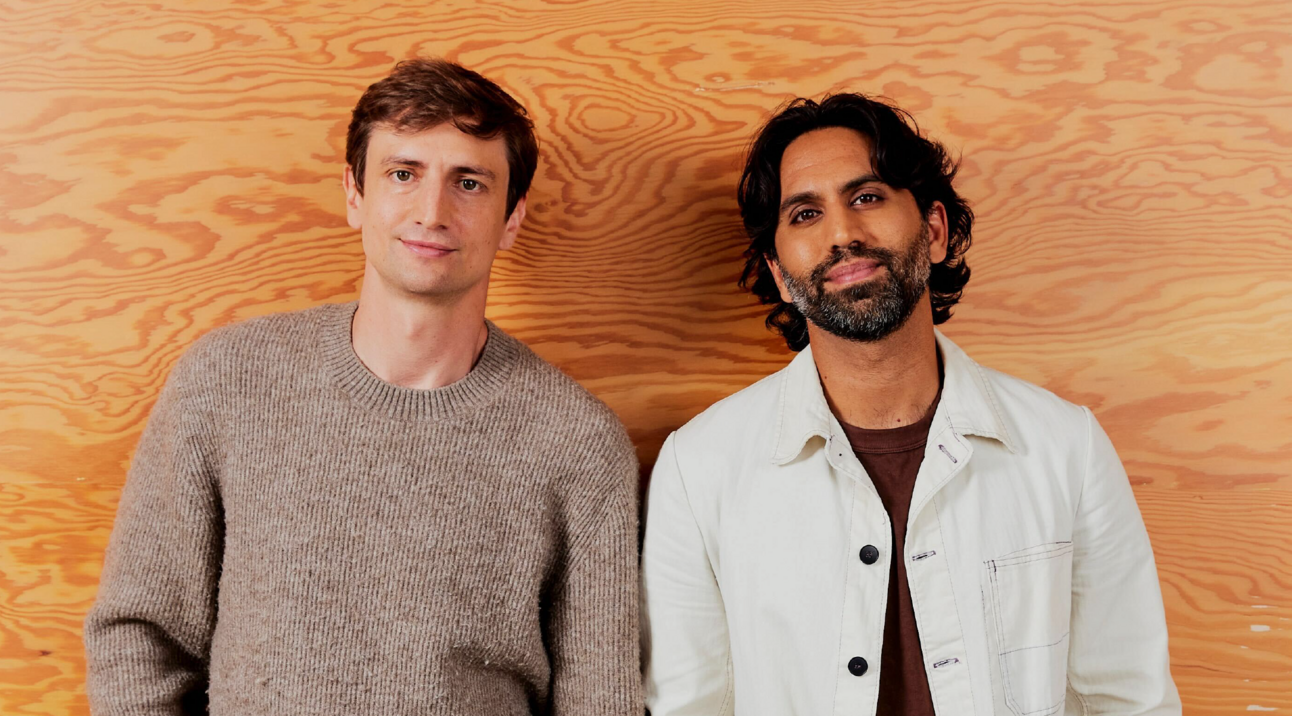
When Colin and Samir interview a creator, their advantage is familiarity with the work behind a screen. They have pitched brands, edited late, searched for formats, and watched an upload underperform. A famous guest may bring the audience through the door; a question about staffing, revenue or the next idea gives the conversation somewhere to go. That is why their show can move from the spectacle of a MrBeast production to the comparatively quiet business of how a team runs it.
The distinction matters in a field that often displays the finished video and hides the process. Their interviews ask about choices. What did a creator stop doing? Which audience did a new format serve? Who handles the work once one person's channel becomes an employer? Samir has argued that an operational mind becomes essential when a creator business grows. In 2022, he described the pair's own office as a place with a regular team, regular hours and a Monday show to produce. Their early days may have looked like home movies; their current calendar looks like a newsroom's.
The pair have also become correspondents for an industry they helped enter before it had a comfortable name. The Publish Press delivers creator news several times a week. Creator Support answers working creators' questions. Courses teach the business side of a channel. The formats differ, but each begins with the same belief that people making videos deserve a clear account of how the surrounding system works.
Their 2024 review reported 11.1 million hours of watch time alongside 40.7 million long-form views. Samir singled out the share of returning viewers, 20.6%, as part of a set of “loyalty stats.” A large number can make an impressive slide. A returning viewer says something more particular: this person wanted another conversation. The pair said they intended to focus on those loyal fans first.
A room beyond the upload
The expansion has given their work a social dimension. Their audience can read a newsletter between episodes, ask a question on Creator Support, or meet other creators at Press Publish. At the 2026 Los Angeles gathering, Colin explained that the event had not selected attendees by follower count. The application asked what each person could give and contribute. It is a small inversion of the usual internet ranking system, and one that fits a partnership begun when 500 views were sufficient.
In 2025, TIME placed Colin and Samir on its TIME100 Creators list. The honor recognized an unusually durable partnership in a business where names, formats and platforms shift quickly. They had already filmed for more than a decade together. Yet the recognition did not freeze them into a single kind of show. In 2026, they introduced Start Over, a four-adventure series made with Lexus. They described feeling creatively stuck after years of making videos together and wanting to make time for other ideas.
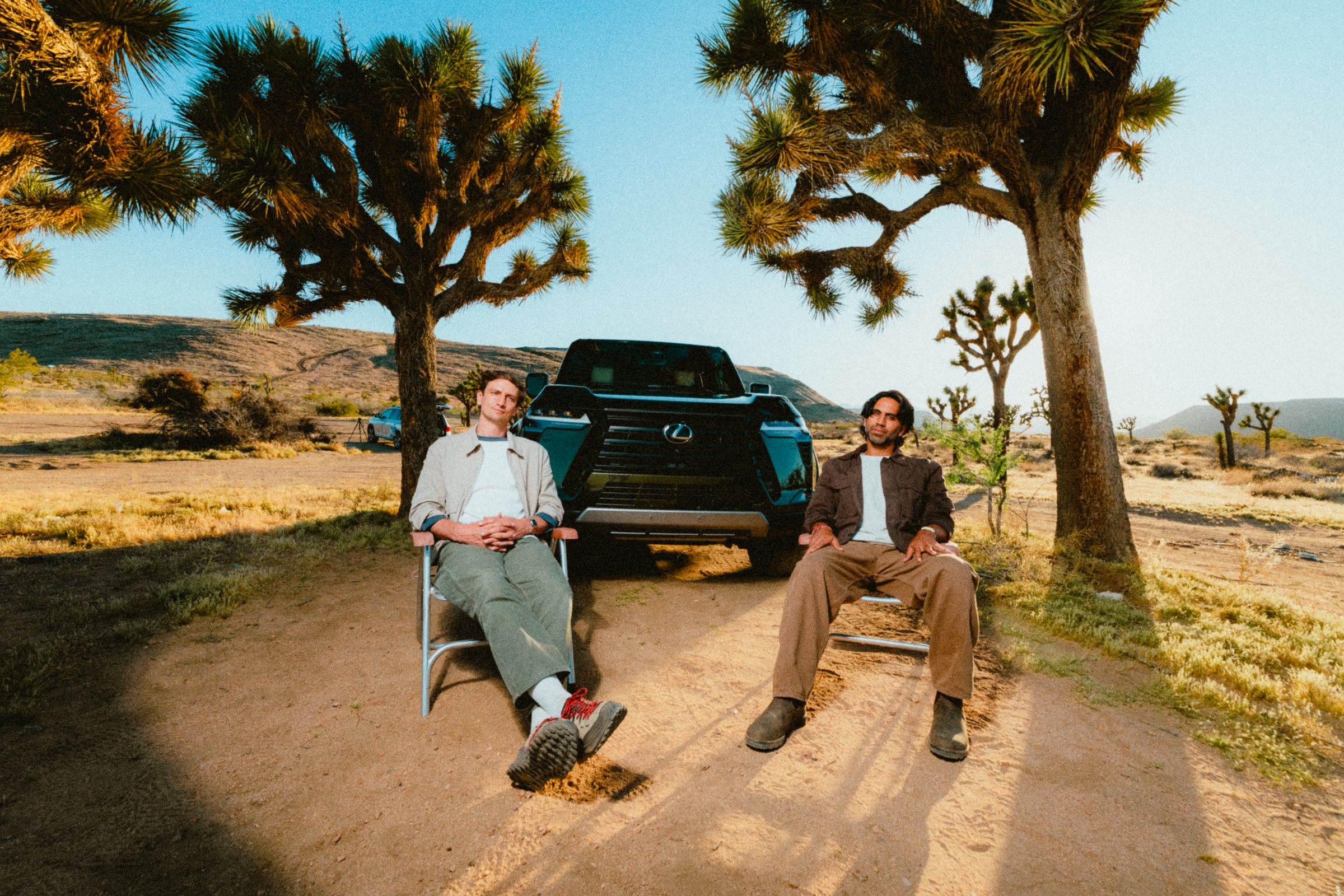
The project carries a faint echo of their original departure from Whistle. Then, too, they had a working life and a reason to wonder what else they might make. This time the search itself is a series. They have also linked it to a campaign to replant trees in Pacific Palisades, the Los Angeles community affected by the 2025 fires. Their careers keep circling back to places where people gather, whether a lacrosse field, a comment section, an office, or a neighborhood.
What the home movies saw
Samir once said the pleasure of lacrosse was its unspoken language: a child at an event could toss him a ball and a conversation could begin without a word. There is an echo of that in the way the pair speak with creators now. They recognize the shared language of uploads, edits, sponsors and ideas that may never work. Their questions make those private details legible to everyone else.
It would be tidy to say the investor was simply wrong. He saw something real: the videos were intimate, handmade, closer to the players than a broadcast truck could get. He failed to see what that quality could do. Colin and Samir kept the sentence on the wall, then spent years learning what sort of company could grow around that closeness. The title of the show now carries their names. Its subject remains other people's work, and the stubborn question that brought two lacrosse filmmakers together: who is paying attention, and what might happen if you pay attention back?