The surgeon’s suggestion was wonderfully unglamorous: make it smaller. In Varun Turlapati’s account of evaluating a hydrocephalus device, the medical expert saw promise, then pointed to a physical constraint. A device can make sense on paper and still need work before it belongs in someone’s skull. That small observation opens a useful window into Chaanakya Capital, the venture firm Turlapati founded in 2025. Its proposition is that understanding a medical invention requires people who can interrogate both the invention and the medicine.
- Backs early neurotech devices and medical software, from pre-seed through Series A.
- Pairs investment with scientific, clinical and operational judgment.
- Names four portfolio companies; is raising toward a $2 million target.
A software engineer walks into neurotech
Turlapati came to investing after 16 years in software engineering and a master’s in electrical and computer engineering. His argument is that technically demanding healthcare startups can struggle to find investors equipped to evaluate their research. Chaanakya makes that evaluation its specialty. The firm seeks companies working with the nervous system, including neuromodulation, imaging, surgical tools, brain-computer interfaces and robotics.
This makes the team’s composition part of the offering. Fund advisor Dr. Johana C.M. Vega Leonel brings neuroengineering expertise. Dr. Gerald A. Grant advises on neurosurgery. Associates add neuroscience, medicine and medical-device experience. Their disciplines point toward a practical division of labor: examine the mechanism, consider the patient, then ask how the product would enter care.
A hand, a shunt, a headset
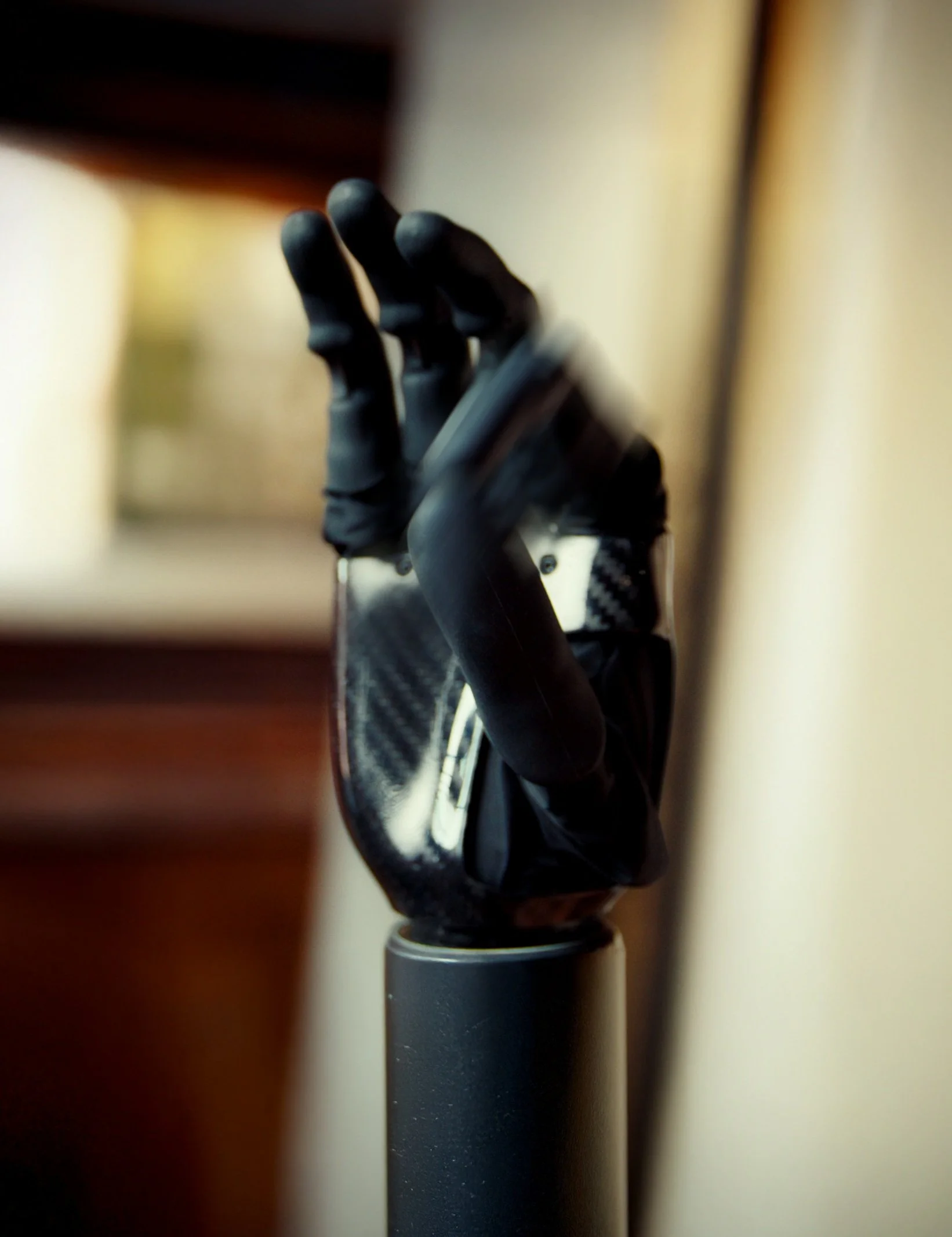
The portfolio supplies a better definition of neurotech than any futuristic slogan. PSYONIC makes the touch-sensing Ability Hand for prosthetic users and robots. The same basic engineering can serve a person picking something up and a machine performing dexterous work. That overlap gives Chaanakya an example of a healthcare investment with another potential market.
MadSci, or Madison Scientific, is developing SmartShunt, combining a valve, sensing and algorithms for hydrocephalus management. Existing shunts drain excess cerebrospinal fluid; failures can mean repeat surgery. MadSci explicitly describes its products as still in development. NeuroEM is developing wearable electromagnetic treatment for Alzheimer’s. PigPug applies EEG neurofeedback and game-based training to children with ADHD and autism. These companies address different needs and occupy different stages of development.
The distinction matters. A commercial prosthetic, a developing implant and an investigational treatment demand different questions. A portfolio page groups them under an investment thesis; it does not give them interchangeable evidence of safety, efficacy or readiness.
The price of getting in early
Chaanakya’s current website describes a $2 million fundraising target. A January 5, 2026 SEC amendment provides a dated snapshot: $655,000 in securities sold to 15 investors. The initial May 2025 filing reported $125,000. The later figure is cumulative. Adding them together would count the earlier money twice.
Its economics are those of an investment fund. The filing says Decile’s general partner and affiliates receive management and performance fees or allocations tied to limited-partner commitments. Those investors back a portfolio of company stakes. Founders receive capital and support; patients use the technologies those companies develop.
Entry price is part of the discipline. The current thesis describes typical entry valuations below $30 million. It also highlights approximately 25x unrealized markups, with an important qualification: the figure includes a personal angel investment made before the fund existed. A paper valuation increase and cash returned to investors measure different things.
That puts the firm between several familiar financing routes. Angels may supply the first money. University support and grants can help a technology reach an investable stage. Larger venture firms can bring more capital later. Chaanakya describes itself as often providing the first institutional check, after those earlier sources. Its proposed advantage is the attention a specialist can devote to a difficult scientific question.
The distinction is useful for founders choosing whom to approach. A company seeking pharmaceutical development funding would be outside this mandate, however compelling its neuroscience. A device team needs to make its own case for clinical relevance and commercial potential. The practical test for specialist support is whether it helps the team identify a development milestone, find an appropriate expert or explain its evidence to another investor. Those are concrete jobs against which the promise of founder support can be judged.
The diligence report can travel
One unusually useful detail lives in the firm’s FAQ. Chaanakya says it can lead or follow a financing and is willing to share completed diligence reports so founders can approach larger or more generalist VCs. A specialist’s work can therefore help a founder explain the company beyond the specialist’s own check.
“They just need to make it a little smaller and they should be good.”
A surgeon’s feedback, recounted by Turlapati in the Top Decile podcast coverage
Read the surgeon anecdote in that light. The useful contribution was a specific development question. Chaanakya’s clinician-facing material similarly asks whether devices fit clinical workflows. An impressive demonstration starts a conversation; the people who treat patients can help identify the next engineering task.
The firm also works to assemble that conversation in person. Its October 2026 event gallery documents SF Tech Week gatherings around neurotech and life sciences. Its partner outreach invites accelerators, university technology-transfer offices and fellow investors to bring companies, expertise and co-investment opportunities.

Bring the science. Explain the patient.
For a founder, the fit test is reasonably concrete. Chaanakya wants direct subject expertise on the leadership team, preferably including a PhD, and values medical-device or regulatory experience. It focuses on US-incorporated companies while inviting overseas teams to explain their US-entry plans and intellectual-property arrangements. Its submission instructions ask for a deck, a one-page description, a website and non-confidential publications.
There is a practice here that other founders can borrow: make the scientific case portable. Explain what the device does, whose problem it addresses and which expert can test the assumptions. Give the next investor something more useful than enthusiasm.
The approach has clear boundaries. Pharmaceuticals sit outside the mandate. Clinical judgment cannot substitute for clinical evidence, and a small specialist fund still depends on companies securing the capital and capabilities needed for development. Chaanakya’s wager is that asking better questions early can help those companies take a more informed next step. The surgeon’s request for a smaller device captures the job rather neatly.