A price increase is usually the dullest email in the inbox. For Nenad Milanović, it supplied a product brief. His consulting team had spare capacity, and the time tracker they used was becoming more expensive. They knew the features they liked, the ones they disliked, and the work waiting on their desks. They decided to make a tracker of their own. Clockify arrived in 2017. The customer, conveniently, was already in the building.
- CAKE.com makes Clockify, Pumble and Plaky: time, team chat and project management.
- Free plans let teams start small; the paid bundle packages all three Enterprise plans.
- The useful founder lesson: build around a familiar problem and a sales method you can sustain.
The office was the customer
There is an awkward detail in this origin story. Milanović had already tried eight products for other industries. In a 2025 podcast interview, he linked their failure to building things his team did not use. Familiarity changed the questions. A time tracker did not require them to imagine a stranger’s working day. They could open their own timesheets.
“The first 8 times were a failure because I tried to build something that we were not using.”
Nenad Milanović · Apple @ Work, 2025
The business began in 2009 as COING, developing software for clients. Consulting cash flow financed the product experiments. The early Clockify build occupied eight people for roughly three to four months, according to the founder’s accounts. Existing paid work made that possible. The expensive ingredient was engineering time, with the opportunity cost that comes from spending it on your own idea.

After launch, the infrastructure struggled with demand; server capacity and deployment downtime needed attention. A familiar problem had found an audience before the machinery was quite ready. Later came Pumble in 2020 and Plaky in 2022. The 2023 CAKE.com rebrand gave the growing collection a common name.
Milanović also changed how he thought about selling. In a 2023 interview, he said earlier products depended on outbound approaches that did not suit him. Search and product-led adoption fitted better. That is a useful qualification to the office-origin story: knowing a problem helps, but customers still need a route to the solution. Personal enthusiasm cannot substitute for distribution.
Time, talk, tasks
The suite divides office administration into three ordinary questions. What did we spend our time on? What do we need to discuss? What happens next? Each app has a job, which makes the collection easier to explain than the phrase “work management platform” suggests.
Clockify records time through timers and timesheets, then turns those entries into reports. Paid features extend into invoicing, approvals and scheduling. For a consultancy or agency, that can expose the difference between a project that looks busy and one that earns money. Billable rates make the hours commercially legible.
Pumble provides channels, direct messages, file sharing and calls. Its free offering includes unlimited users and message history, a useful detail when yesterday’s conversation contains tomorrow’s answer. Plaky gives tasks owners, statuses and board views, with paid capabilities for more elaborate planning and automation. The expertise here is the daily plumbing of collaborative work.
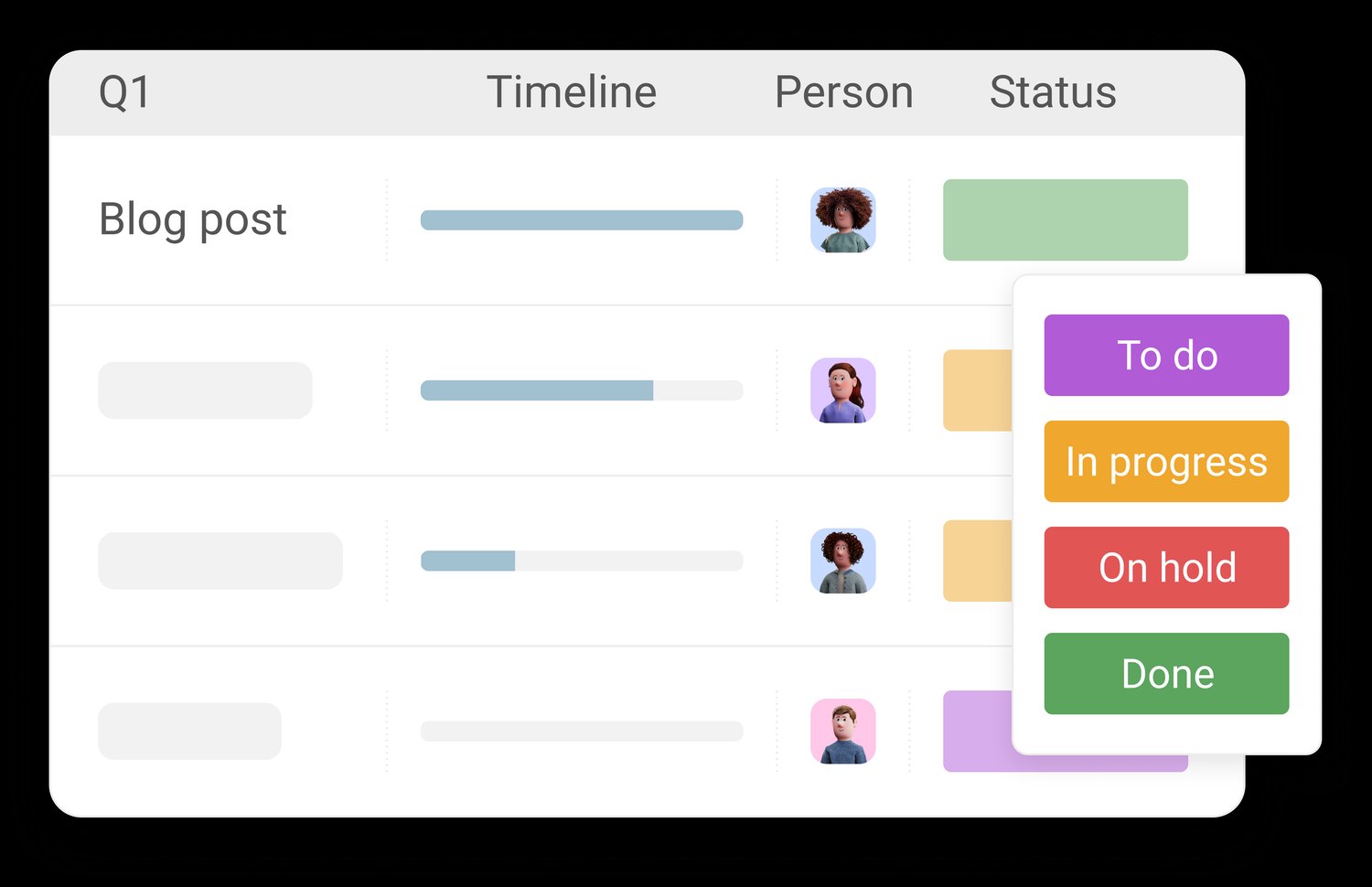
A shared CAKE.com account manages organizations and workspaces across the apps. In December 2025, the company announced native time tracking inside Plaky, with hours reflected in Clockify. That connection addresses a specific annoyance: remembering to record the work after leaving the place where you did it.
The price does some of the selling
These are crowded markets. Clockify has alternatives such as Toggl Track and Harvest; Pumble faces Slack and Microsoft Teams; Plaky competes for attention alongside Asana, monday.com and Trello. CAKE.com’s pitch combines free entry, distinct products and a discounted subscription. A buyer can try one app without committing the entire office.
The bundle, launched in April 2024, includes all three Enterprise plans. The listed US price is $12.99 per seat per month when billed annually, or $15.99 on monthly billing. Buying the three Enterprise subscriptions separately at their annual rates totals $27.97. The comparison is with CAKE.com’s own plans, so the arithmetic can stay honest.
The founder reported an ARR range of $25 million to $100 million in March 2025. The company’s current About page claims more than ten million users. Those numbers describe different things: subscription revenue and reach. Neither tells a prospective customer whether their team will remember to update a board.
An agency finds room to breathe
VM Digital offers a more useful close-up. In a company-published interview, founder Vladimir Milić described a 12-person marketing business using all three apps while developing its own scheduling product. Clockify reports helped him see which clients consumed more effort and renegotiate terms. Pumble channels held processes and guidelines. Plaky templates gave recurring work a structure.
He said the team reduced the time needed for the same client workload from eight hours to six and a half. That is a customer’s account, rather than a controlled measurement. Still, the mechanism is intelligible: clearer tasks and better records can reduce the time spent reconstructing what happened. An agency can use that room for another client, or for its own product.

The newer releases suggest attention to the chores that arrive as teams grow. Pumble added administrative Audit logs on October 1, 2026; Plaky added nested tasks to Gantt timelines on September 30. Permissions, records and project detail seldom make glamorous demonstrations. They matter when several people share responsibility and someone needs to establish who changed what, or which smaller task is holding up the larger one.
Copy the question before the answer
The transferable lesson begins with a recurring nuisance. Try one project: establish a Plaky board, a corresponding Clockify project and a Pumble channel. Agree on task names, ownership and what counts as billable time. Then inspect the records together. The company’s onboarding guide proposes this parallel setup; its usefulness depends on the team maintaining it.
A bundle is less compelling when only one app fits, or when replacing established integrations would consume the savings. Hours logged also need interpretation: a difficult task and an easy one can take equally long. CAKE.com sells a reasonably concrete bargain in an abstract industry. The buyer’s job is to decide which daily friction deserves attention before another subscription becomes another chore.