A child gets a new video game. A friend responds with three words that could alarm a machine: I hate you. For Brian Bason, the important part of that exchange was everything surrounding it. A joke between friends and a hostile message can share a vocabulary. A parent needs to know the difference before interrupting dinner, a friendship, or an otherwise ordinary afternoon.
Bason used that example while explaining the company he had started in 2015. Bark would examine digital conversations and alert parents to potential trouble. The ambition sounded straightforward until you considered the two people on either side of an alert. One wanted to know enough to help. The other wanted a life with some doors left closed.
He had reasons to understand both positions. He had spent years building social technology, including a company acquired by Twitter. He was also raising two children. The internet was his professional territory. At home, it was becoming their territory too.
A social-media career comes home
Before Bark, Bason’s work connected people for commercial purposes. At YouCast, he served as chief technology officer; the business was acquired by SocialChorus. He co-founded and led CrowdStream, a mobile platform bringing together touring bands, brands, and consumers, later acquired by RadioIO. Then came Niche, where he was CTO, helping advertisers work with social-media creators. Twitter bought Niche.
That is a career spent close to the machinery of online attention: how audiences gather, how relationships travel through software, how businesses form around them. Bason has spent more than 25 years working in technology. Earlier in the journey came a physics degree from the University of Colorado Denver. The work that followed took him through consumer technology, digital media, and startup leadership.
Parenthood changed the assignment. Looking for tools for his own children, he found a gap between the oversight adults wanted and the independence children needed. He left Twitter in 2015. By July, he was working on Bark. The customer was now a family trying to negotiate access to a world that would not stop sending invitations.
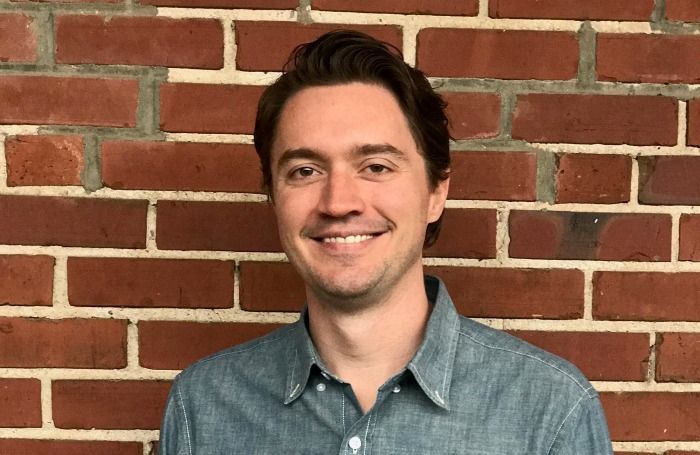
Bark’s first customer, Jane, signed up on October 7, 2015. It is a pleasingly modest entry in a technology timeline. Before the financing rounds and the devices, one parent decided the proposed arrangement was worth trying. A founder’s personal question had become something another household would use.
The trouble with a three-word message
Bason’s early description of the engineering was practical. A prototype took roughly three months, followed by several more months of testing and refinement. The task was to teach software to recognize patterns in conversations. An isolated word was a poor substitute for understanding what people were doing with it.
“Context is really important,” he said. Bark also established a youth advisory board to help it follow new features and trends. There is some good sense in asking children about the world children inhabit. Adults can build an elaborate map and still miss the entrance everyone is using.
A simplified explanation of the monitoring approach, not a demonstration of a real alert.
The original monitoring design limited what parents received to potentially concerning material. That put a boundary around the adult’s view, while leaving the software with the job of examining communications. The distinction matters: a child’s messages could be analyzed even when a parent never saw them. Privacy was being negotiated at more than one point.
That arrangement also made the alert a beginning. Software could bring something to an adult’s attention; the adult still had to respond. A useful warning leaves work for the person receiving it. Tone, timing, and the quality of the next conversation remain stubbornly human tasks.
The privacy promise meets the classroom
By 2018, Bark had expanded into schools, offering a free service for U.S. K-12 institutions. That brought Bason’s central question into a different relationship. In a household, a parent chooses a tool for a child. In a school, administrators, families, and students have overlapping interests and unequal control over the decision.
Bason addressed the tradeoffs in an April 2021 open letter about artificial intelligence. He acknowledged that monitoring systems make mistakes. A false positive could reveal something private that an adult did not need to know. Even a correctly flagged conversation could contain context a child would prefer to keep to themselves.
“Every day, we work hard to thread a needle.”
Brian Bason, on safety and privacy, April 2021
His letter argued for continued refinement and for including children in discussions about the tools affecting them. It also made a concession that belongs near the center of his story: software cannot know everything about an individual family. The machinery can examine a conversation without understanding all the relationships around it.
Public scrutiny followed its own course. In September 2021, senators wrote to Bason seeking information about Bark’s school monitoring. They raised concerns about student privacy, potential discriminatory effects, and safeguards against inappropriate surveillance. These were questions and concerns put to the company, rather than findings establishing that Bark had committed the harms described.
The letter sharpened the stakes of growth. A product can reach more people while making its original promise harder to keep. The right amount of information for a parent is already a difficult judgment. Deciding what an institution should learn about a student adds another set of responsibilities.
A phone, then a smaller first step
In June 2022, Bark announced a $30 million Series C led by Kayne Partners. The round brought its reported total funding to $67 million, and Kayne’s Leon Chen joined the board. International expansion and strategic partnerships were among the stated uses of the money. The household problem had acquired a larger business around it.
The next move placed more of the experience inside the device. Bark Phone began shipping in late 2022. A December announcement detailed its cellular arrangement with T-Mobile and a Samsung handset with Bark’s controls built in. Parents could manage contacts, app access, and other permissions through the product.
For Bason, this widened the scope of what the company could offer. An app operates within someone else’s device and its rules. A phone with integrated controls gives the maker more say over the arrangement a family receives. It also means the company has taken on the daily expectations attached to the object in a child’s pocket.
The phone appeared on TIME’s Best Inventions of 2023 list. Its design allowed a family to begin with limited functions and add more over time. That is a useful recognition that a child’s first arrangement with technology need not become a permanent one. Permissions can change as circumstances change.
In December 2024, Bark launched a watch with contact management, location tracking, and content monitoring, without games, social media, or a web browser. It offered another starting point for families whose children needed a way to communicate before they were ready for a smartphone. Independence, in this product range, arrives in increments.
Bason & the Barkettes
A founder profile risks making a person sound as though he speaks entirely in product specifications. Fortunately, Bason has supplied other material. In a 2017 interview, asked what excited him about the coming year, he began with a joke about Starbucks’ Unicorn Frappuccinos. Startup plans could wait their turn behind a colorful drink.
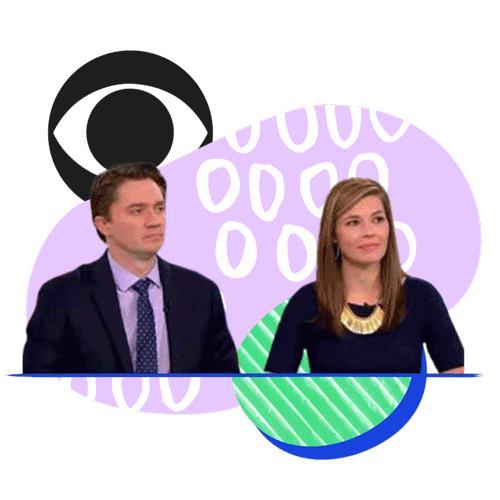
There was a better scene in 2023. At Bark Week, Bason, chief technology officer Brandon Hilkert, chief operating officer Trent Scovell, and Bason’s son performed a Foo Fighters cover. The group’s name was Bason & the Barkettes. The song was “Everlong.” A company founded around a father’s concern had made room for a father-and-son appearance onstage.
The collaboration with Hilkert extends back to the company’s beginnings. Both were fathers of two when they began building the app. Their shared experience gave the early work a personal frame, while their roles divided the continuing responsibilities of running the company and developing its technology.
By its tenth anniversary in 2025, Bark described a remote team of more than 100 employees across U.S. time zones. Its weekly calls included an engineer-created rebus puzzle. Annual gatherings provided time together away from the usual screens. That is a recognizable workplace beneath the serious subject: colleagues making things, solving puzzles, and occasionally forming a band.
Ten years later, still a conversation
In October 2025, Bason and Hilkert recorded a retrospective at the Cliff House in Maine during Bark Week. A decade had passed since the first customer signed up. Their discussion offered a chance to look back together at a company that had grown from monitoring software into several kinds of family technology.
Bark continued developing its public partnerships. In May 2026, it announced work with the Tim Tebow Foundation around protecting children online, combining education and advocacy with its technology. The original question was now being carried through a wider network of people and organizations.
Still, Bason’s early video-game example survives the expansion rather well. Before the device, the dashboard, or the funding round, there is a message whose meaning depends on the people sending it. The promise of Bark rests on helping an adult recognize a moment worth entering. What happens after that belongs to the conversation.
Keep the conversation going
Explore Bason’s work and hear him in his own words.
- Bark’s website · Brian Bason on LinkedIn
- Watch: Bason and Brandon Hilkert look back from Maine
- Watch: early Bark video featured with the 2017 interview
- Read the 2017 founder interview
- Bason’s open letter about AI and privacy
- The September 2021 Senate letter on student monitoring
- The 2026 Tim Tebow Foundation partnership
- Bark’s YouTube channel