A medicine can work beautifully and still be awkward to deliver. Concentrate certain biologic drugs enough to fit into a small injection, and the formulation becomes a problem of its own. Surf Bio worked on that problem. In December 2025, Halozyme bought the company in a deal announced at $300 million upfront, with another $100 million tied to milestones. Breakout Ventures had backed its seed round. The interesting part was the bottleneck: a business could be built around helping other medicines reach patients.
- Breakout backs founders turning biology, chemistry and computation into companies.
- Its third fund closed at $114 million in March 2026.
- The recurring question: what evidence gets the science closer to a paying customer?
That is a useful introduction to this San Francisco investor. Its portfolio ranges from cancer models to carbon conversion. The common thread is the difficult journey between a promising scientific result and something a customer can use. Breakout supplies early capital, technical judgment and introductions along that route. The laboratory discovery is the beginning of the story.
The grant was only the beginning
Breakout grew out of Breakout Labs, the Thiel Foundation program established in 2011 to support early science companies. Lindy Fishburne and Julia Moore launched the venture firm in 2016. Its first fund followed in 2017, with about $60 million. The shift gave the team a vehicle for investing in companies beyond the grant stage.
Moore’s account of the origin is pleasingly practical. Founders wanted investment; prospective backers wanted to supply it. Working on unfashionable science also shaped the method. When another venture check could not be assumed, corporate relationships had to arrive earlier. A company needed people who might buy, license or help develop its technology.
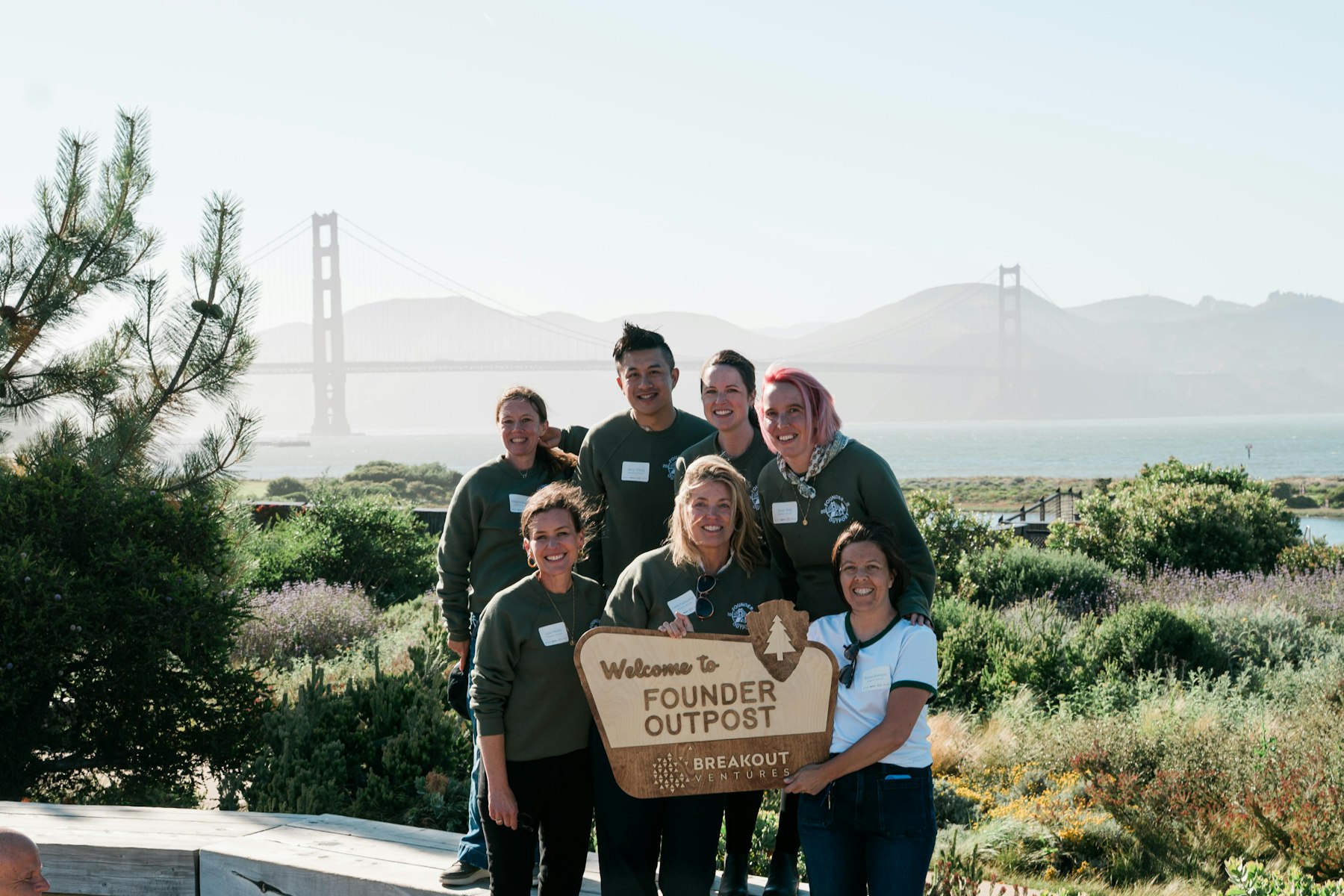
Three funds. Different kinds of proof.
Fund II closed in December 2021 at $112.5 million. Fund III added $114 million in March 2026, with returning limited partners including The Kraft Group, Pinegrove Venture Partners and S-Cubed Capital. New backers included JIMCO and Korea Omega Investment Corporation. Together, the three announced funds represent roughly $286.5 million in commitments. That arithmetic describes fund sizes, not the firm’s current asset value or revenue.
Breakout’s business is venture investing. Limited partners supply capital to funds that take stakes in startups and seek gains as those companies grow or exit. Founders receive financing and company-building support. This is investment capital with ownership consequences, rather than a public grant or a service with a posted subscription price.
The firm operates early, across seed and Series A investing, and often leads rounds. Its expertise combines scientists and operators. In a market that also includes science investors such as DCVC and KdT Ventures, Breakout emphasizes backing founder-led companies and connecting them with industry early. That is a specific working preference; it is no guarantee that a difficult experiment will cooperate.
The customer can arrive before the drug
Noetik makes the business-model question concrete. The portfolio company builds AI models from biological data to support cancer research. In January 2026 it announced a five-year agreement giving GSK non-exclusive access to virtual-cell foundation models for research in lung and colorectal cancers. The announced package included $50 million in upfront capital and near-term milestones.
The asset being licensed was a model. A science company could earn commercial validation while continuing to develop its own research. In August, Noetik reported meeting the collaboration’s first near-term milestone. This distinction matters to founders: what a platform can sell today may differ from the product it hopes to develop years later.
“There’s no point to build in a vacuum.”
Julia Moore, January 2026 interview with Big4Bio
Cytovale offers another route. Its IntelliSep test uses the physical behavior of white blood cells to help assess sepsis risk. The FDA cleared it in December 2022. Its users are hospital teams making urgent decisions. Here, the commercial task includes fitting a scientific instrument into clinical work, with regulatory evidence and workflow requirements that a clever demonstration alone cannot satisfy.
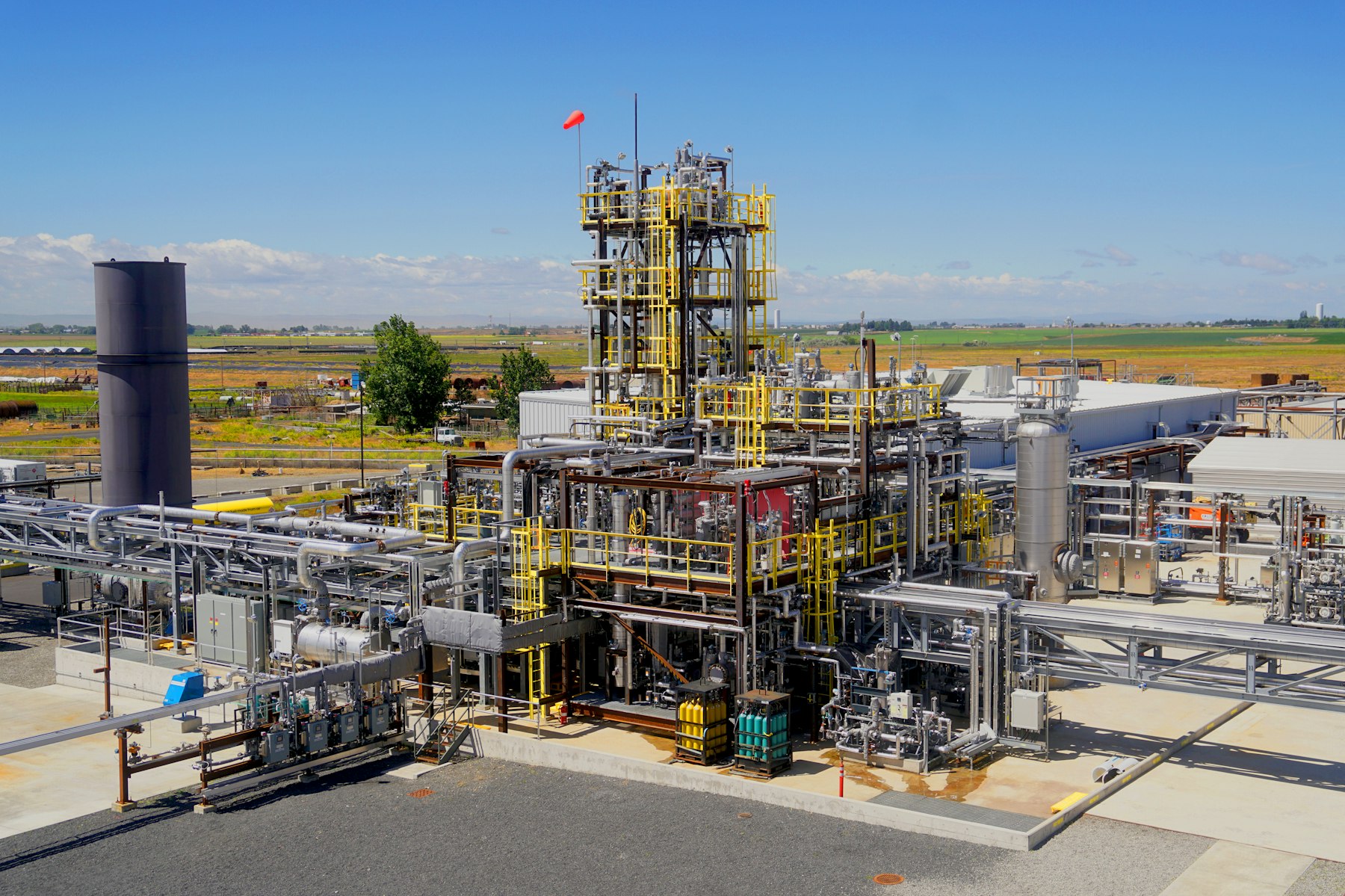
Then there is Twelve, which converts captured carbon dioxide into fuels and chemicals. Its announced 2024 financing combined project equity, venture funding and credit. That mix illustrates a basic financing reality: an industrial plant and a software model need different capital structures. Breakout’s portfolio spans both kinds of problem.
The experiment still gets a vote
The history includes a sharp reminder of scientific risk. Cortexyme, a company listed in Breakout’s portfolio, reported in October 2021 that its Alzheimer’s trial missed both primary endpoints in the overall population. Subgroup findings did not change that outcome. It is a documented setback, and a reason to distinguish a plausible mechanism from a successful clinical result.
AI changes the tools available to these companies. Breakout’s current thesis is that applying it to biology and chemistry can shorten timelines and reduce costs. The claim has to be tested company by company. A faster prediction still needs reliable data, useful experiments and a buyer. Regulatory review, manufacturing economics and clinical outcomes remain consequential gates.
Borrow the sequence
A founder can copy a practical sequence from these examples: identify a costly bottleneck, define the evidence that would remove it, then speak to the organization that would pay. Use that conversation to choose the next experiment and the business model. Breakout’s fellowship and its announced Nucleate partnership also connect scientific trainees with commercialization and venture investing.
The approach depends on a real market need and a technical advantage that survives scrutiny. It becomes harder when results cannot be reproduced, scaling consumes the economics, or customer feedback arrives after the cash runs out. For a founder approaching Breakout, the useful pitch therefore connects a scientific insight to a specific commercial decision: whose problem gets easier, and what must be proved next?