The first Thrillist email took about a month to get right. Seven years later, Adam Rich read it aloud to a company of more than 200 people and thought it was dreadful. He and Ben Lerer had once agonized over its every detail. Now the thing that had seemed to demand perfection was an anniversary joke. The business had survived its opening sentence.
It is a useful place to begin with Lerer, who has spent much of his career making businesses bigger and periodically reconsidering the point. There would be a clothing retailer, a collection of digital publishers, a sale to Vox Media and a full-time move into venture capital. First came a small editorial product with the entirely reasonable ambition of improving somebody’s evening.
Lerer and Rich had known each other at the University of Pennsylvania. Their shared interests included finding places to go in Philadelphia, a pursuit they approached with the diligence other students reserved for recruitment season. Rich brought a writer’s sensibility; Lerer had promoted parties. A city guide was a plausible use for these qualifications.
The first email went to 600 friends in New York in 2005. By the end of 2006, the audience had reached 30,000 subscribers. At the end of 2008, Thrillist had expanded into seven cities, become profitable and brought in approximately $5 million in revenue. In 2009, subscriptions passed a million. Somebody, evidently, had forwarded the email.
The founders were offering recommendations to young men whose interests resembled their own: food, drink, shopping and somewhere worth going. The city gave them material. Their voice gave readers a reason to return. That combination could be repeated elsewhere without pretending that every place was Manhattan with a different weather forecast.
The newsletter acquires a wardrobe
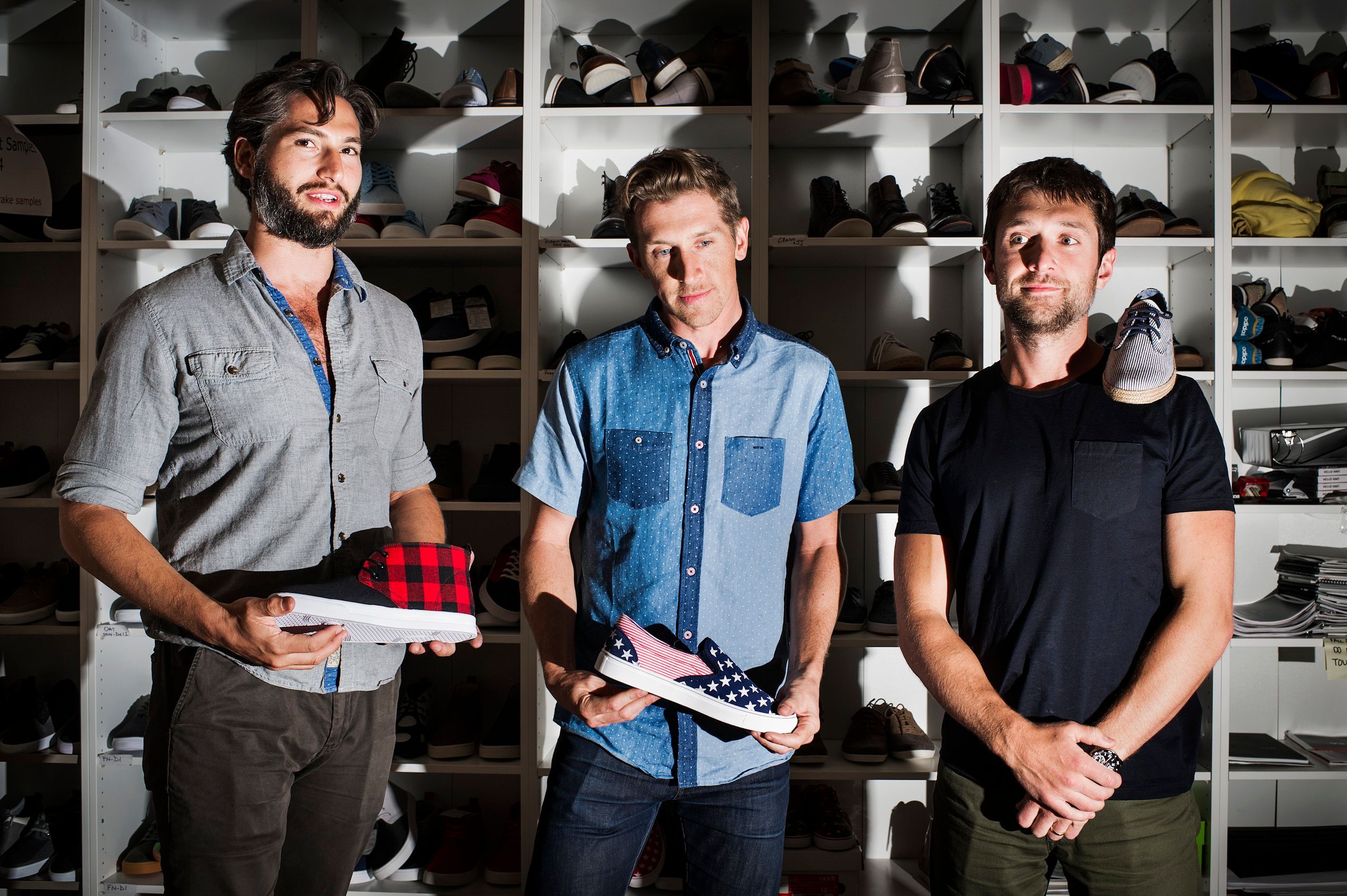
The complication arrived in an advertisement. Lerer noticed JackThreads selling clothes of the sort Thrillist already covered. He saw two businesses serving a similar customer from different directions. Thrillist could create demand; JackThreads could supply the purchase. In 2010, he bought the retailer.
That decision changed what a recommendation could be worth. Advertising paid the publisher for access to a reader. Commerce offered a chance to participate in the transaction that followed. It also brought another business to run. A sentence could be edited and sent. A shirt required rather more handling.
The numbers made the experiment hard to ignore. In 2012, the company raised about $13 million, with plans to expand its brands and commerce operations. It had 230 employees. A warehouse in Brooklyn needed more space. The newsletter business had acquired the sort of growth problem that involves knocking down walls.
Lerer later described the acquisition as a substantial gamble. Failure would have cost time and attention as well as money, and left Thrillist carrying the reputation of a publisher that could not make retail work. His argument for doing it was specific: he believed the audience and the merchandise belonged together. He had spotted the overlap inside his own product.
By 2015, Thrillist and JackThreads were being separated. Investors wanted exposure to content or commerce without necessarily taking both. Lerer became CEO of Thrillist and chairman of JackThreads. A combination that had once supplied the growth story now needed a different arrangement. Even an appealing business theory has to negotiate with the people writing the checks.
A family advantage, plainly admitted
Lerer’s father, Ken, co-founded The Huffington Post. In interviews, Ben has been direct about the help that brought: advice and a confidant from the start. He also described the insecurity of wondering whether people credited his work or simply noticed his surname. He called his father an asset. There is little use in making the family connection mysterious.
The more revealing inheritance was permission to be uncertain. Ken’s advice, as Ben later explained it, was that other people were improvising too. In an industry repeatedly reorganized by new technologies, confidence could coexist with incomplete knowledge. Waiting until one understood everything would be an excellent way to miss the next meeting.
His father’s 2011 sale of The Huffington Post produced a different lesson. On a family vacation, Ben saw Ken remain absorbed in the publication after the deal was done. The financial milestone had arrived; the appetite for the work remained. Ben began questioning his own habit of organizing working life around a future sale.
“I was living backwards,” he recalled. The realization came in a shower on a boat, an unusually comfortable setting for reconsidering one’s priorities. He wanted to enjoy building a business while he was still building it. The finish line had been receiving more attention than the days required to reach it.
“I was living backwards.”
Ben Lerer, recalling his focus on a future sale, 2012
Four brands, four cultures, one bigger bet
In October 2016, Thrillist became part of Group Nine Media alongside NowThis, The Dodo and Seeker. Discovery invested $100 million, and Lerer became CEO. The underlying calculation was that a group of recognizable digital brands would have more commercial weight than each could carry alone.
The brands brought different abilities and audiences. The Dodo and NowThis had experience distributing video through social platforms; Seeker brought a science offering and YouTube expertise. Thrillist arrived with its own editorial history and advertiser relationships. Lerer hoped those strengths would travel between businesses while the brands kept their identities.
Putting them together required more than agreeing on a name. He described the difficulty of aligning boards and integrating four companies with four cultures. A media merger can look tidy in a diagram. The people represented by its rectangles tend to have their own preferences.
He was also changing as a manager. Early on, he had enjoyed knowing the whole operation and doing everything himself. Later, he took pleasure in good work happening without his involvement. For a founder accustomed to being indispensable, that is a meaningful adjustment: the company’s competence becomes evidence that other people can carry it.
Vox Media completed its acquisition of Group Nine on February 22, 2022. Lerer joined its board, with Jim Bankoff continuing to lead the combined company. Later that year, Lerer moved full time into Lerer Hippeau, the investment firm he had co-founded in 2010. For years he had invested while operating a company. Now investing had his undivided professional attention.
- 2005Thrillist’s first newsletter
- 2010JackThreads joins the business
- 2015Content and commerce separate
- 2016Group Nine brings four brands together
- 2022Vox Media completes its acquisition
The investor would like to be jealous
Lerer’s explanation of what attracts him to an investment is refreshingly impolite: jealousy. He has described encountering a founder whose business makes him wish he were building it himself. A spreadsheet still has its uses. He wants to feel the appeal of the work as well as understand the proposed return.
Casper supplied his example. After an unpleasant experience buying a mattress, he had entertained the idea of starting a company in the category. Then Philip Krim and the Casper team appeared with a version he admired. Their enjoyment, clarity and command of the problem mattered to him alongside the opportunity. Lerer Hippeau led the seed round.
The criterion fits someone who learned to invest while running a business. He is evaluating people whose working lives he can imagine having. That does not remove the need for diligence; it makes the founder’s choices and temperament part of what he examines. Confidence interests him when there is an actionable plan attached.
He has also been consistent about wanting founders who can take feedback. Conviction matters, but a pitch becomes less appealing when every suggestion meets a defense. Someone asking for a business partner should presumably leave room for the partner to say something.
There is a useful parallel with his own development. Thrillist’s first email became a joke the founders could share. JackThreads became a business they could separate. Group Nine became a company another organization would own. His record contains decisions made firmly and structures later changed. That is practical experience to bring into a conversation with a founder who thinks changing course means surrender.
What, exactly, should grow?
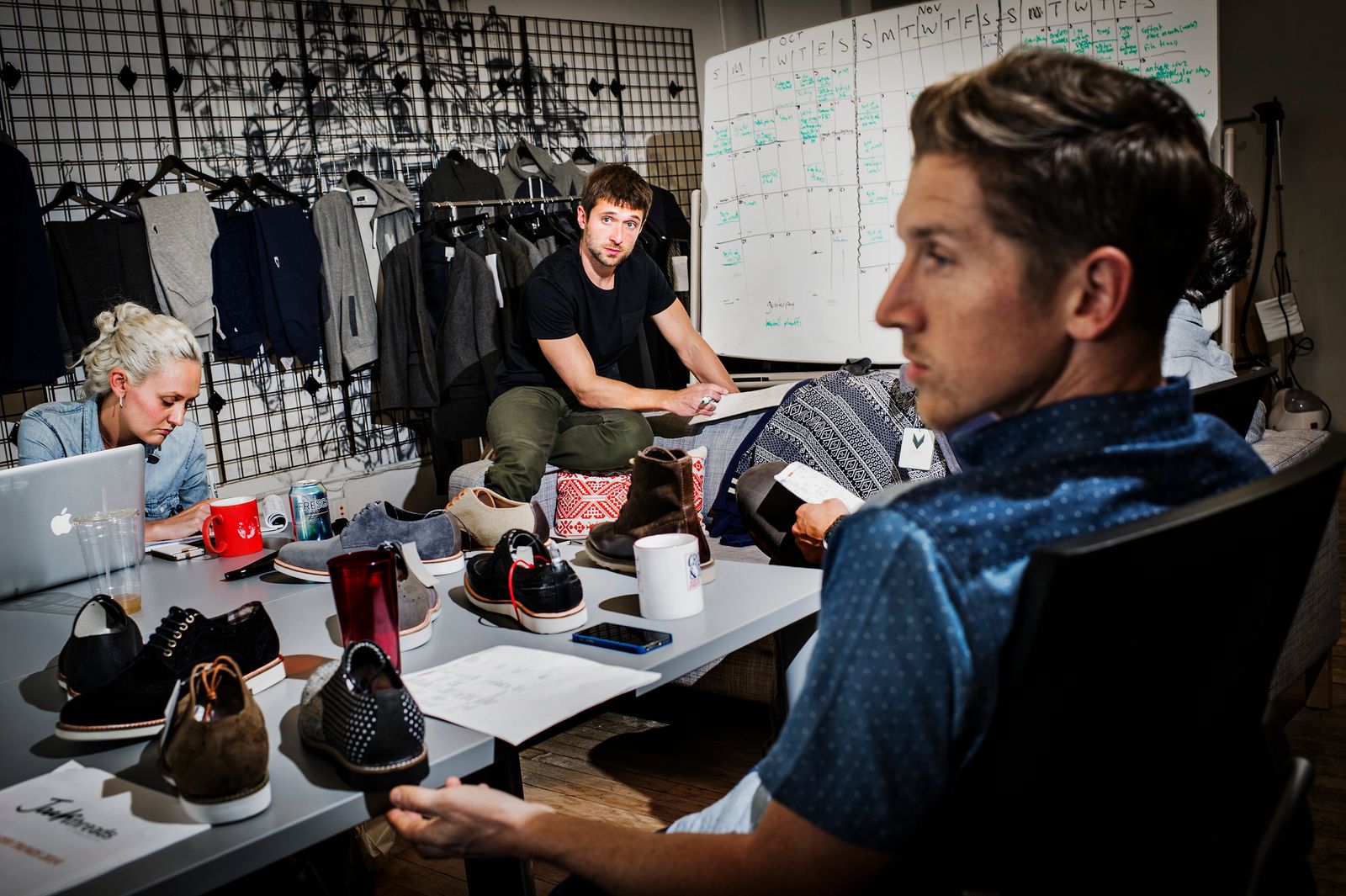
On April 9, 2025, Lerer Hippeau announced $200 million for its ninth early-stage fund. The firm said it had invested in more than 400 companies since 2010. Several dozen founders from its portfolio were themselves investors in the new fund. For a business built on relationships, having former customers return as backers is a rather concrete endorsement.
Lerer’s present interests extend beyond the consumer brands associated with his earlier years. He talks about enterprise businesses and AI, and about finding founders with deep knowledge of their markets. His emphasis is on whether a product addresses a real gap and whether its team can sell and operate the business that follows. Easier access to technology makes those questions more pressing.
His recent reflections on his own growth ambitions are less celebratory. In an early-2026 conversation, he remembered the pleasure of a relatively small, profitable operation with loyal readers and advertisers who could see results. Venture funding brought pressure to grow into valuations. The search for repeated doubling took some of the joy out of the work.
By June 2026, he was also talking about wanting to become the weakest investor on his own team: an aspiration to hire people who could outperform him. It echoes the operator who learned to enjoy work he had never touched. A firm should be capable of continuing beyond the person who started it.
These ambitions sit awkwardly together in an interesting way. His fund looks for businesses with the potential to deliver large returns. His own memories warn that scale can become a demand that consumes the original pleasure. He has lived inside both arguments. The investor across the table knows why a founder wants to get bigger, and has reason to ask what will happen afterward.
Return to the anniversary reading. Two founders had labored over an email they would later find embarrassing. Yet it reached people, became useful and gave them another day to improve it. Lerer’s career has acquired more companies, more capital and more consequential decisions since then. That first product still offers a modest test for all the expansion: did it make someone’s day better, and was it worth coming back to do again?
Several dozen portfolio founders joined as limited partners.
Keep the conversation going
Profiles, conversations and a little company history.
- Lerer Hippeau
- X / Twitter
- Thrillist
- The first newsletter and early growth
- Adam Rich on the anniversary reading
- The JackThreads decision
- The 2015 separation
- The realization about exits
- The Group Nine announcement
- The Cornell Tech conversation
- The Group Nine years with Sarah Lacy
- Vox Media’s acquisition announcement
- The move into full-time investing
- His essay on jealousy
- The Fund IX announcement
- The January 2026 interview
- Reflections on growth at TBPN
- GTMnow: founder selection and team building
- Early Thrillist, in photographs
- Watch: Soul & Science, 2025
- Watch: GTMnow, June 2026