Consider the laundry detergent. It is an entirely reasonable thing for a fragrance company to sell. People want clean clothes to smell pleasant. Bath & Body Works already knows about pleasant smells. Yet in April 2026, its chief executive, Daniel Heaf, supplied a wonderfully practical objection: “Not many people come to the mall and buy laundry detergent.” A product can make sense on a strategy slide and still feel out of place in a shopping bag.
- Everyday products create repeat purchases; seasonal scents create fresh interest.
- A nearby supplier network helps the company respond to demand.
- The current reset concentrates on core products and new shopping channels.
That shopping bag is the place to begin understanding Bath & Body Works. The company sells body lotions, fragrance mists, candles, soaps and sanitizers. It also sells permission to make an ordinary routine more enjoyable. A hand wash can be practical and a tiny indulgence. A candle can be home fragrance and a gift that requires no knowledge of the recipient’s clothing size.
A business that gets used up
The brand started in 1990 with a few fragrances, inside the retail world built by Leslie Wexner’s The Limited. It grew around a useful combination: familiar product forms, changing scents and stores where customers could try them. The listed company’s older corporate roots can obscure that distinction. The Bath & Body Works brand is a 1990 creation, not a soap business operating since The Limited’s founding in 1963.
Its customers include people replenishing bathroom essentials, shoppers choosing personal fragrances and gift buyers looking for something immediately understandable. Body cream moisturizes. Soap cleans. Fine fragrance mist adds scent. Wallflowers put fragrance into a room through a plug and replaceable refill. The pleasure sits on top of a clear, everyday use.
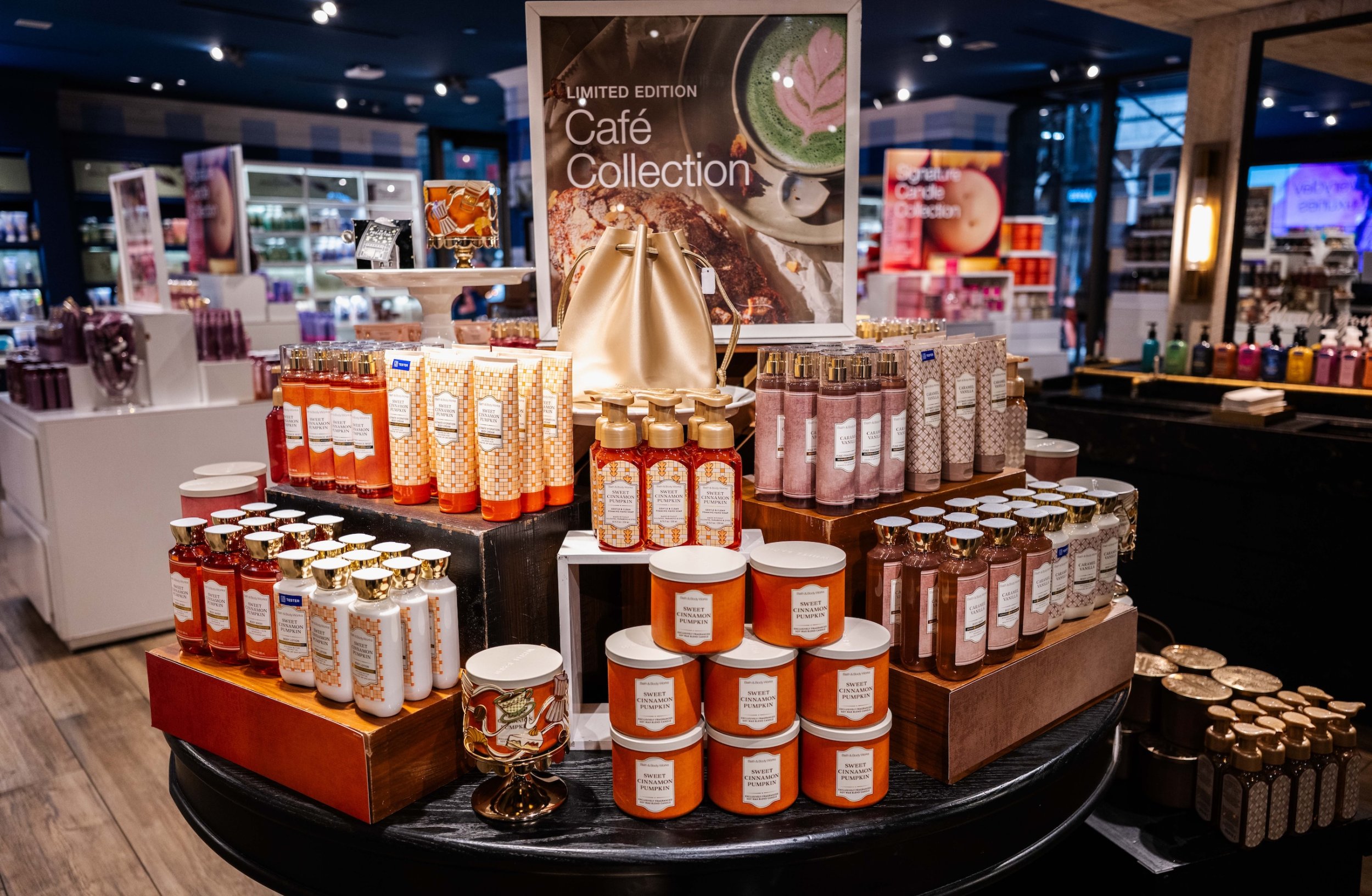
Here is the commercial attraction: these things get used up. A decorative object can remain on a shelf for years. A fragrance refill eventually needs replacing. Then the seasons supply another reason to look. The company’s April 2025 presentation described changing website and store displays every four to six weeks. Replenishment brings the shopper back; novelty gives that return trip something to discover.
That places the company between several shopping alternatives. A candle buyer can choose a home-fragrance specialist. A body-mist shopper can browse beauty brands. A household buying soap can head to a supermarket. Bath & Body Works brings those purchases together around fragrance, with matching formats, accessories and gifts. Its expertise includes fragrance development, formulation, packaging and the unglamorous work of keeping the right bottles available.
The other fragrance ingredient: distance
Behind the cheerful labels sits a more industrial story. Beauty Park, a supplier campus in central Ohio, brings manufacturing, components, packaging and gift assembly close together. This matters because a seasonal business must make commitments before it knows precisely what people will want. Speed creates room to correct the forecast.
Published April 2025. Distances describe the illustrated component and filling route; the bars are schematic.
The same presentation described a typical goal of committing to roughly 60-70% of planned production ahead of a season, leaving flexibility for later decisions. The lesson is concrete: preserve the ability to order more of what sells. It requires capable suppliers, spare responsiveness and products that can be replenished within the selling window. A slow overseas production cycle would change the calculation.
When the shopping trip says no
Laundry exposed a different constraint: attention. In Heaf’s account of the pullback, expansion had diverted marketing and development money from core categories. The problem preceded the announced correction. A promising adjacent market had competed with the products customers already associated with the brand. That is a useful warning for any company tempted to treat a shared ingredient as proof of a shared buying occasion.
“Not many people come to the mall and buy laundry detergent.”Daniel Heaf / April 2026
Heaf became CEO in May 2025. By November, the company had announced its Consumer First Formula: concentrate innovation on body care, home fragrance, soaps and sanitizers; refresh the brand; improve discovery; and operate faster. It planned $250 million in savings over two years to help fund product and brand investment. That figure is a savings target, not the price of the turnaround.
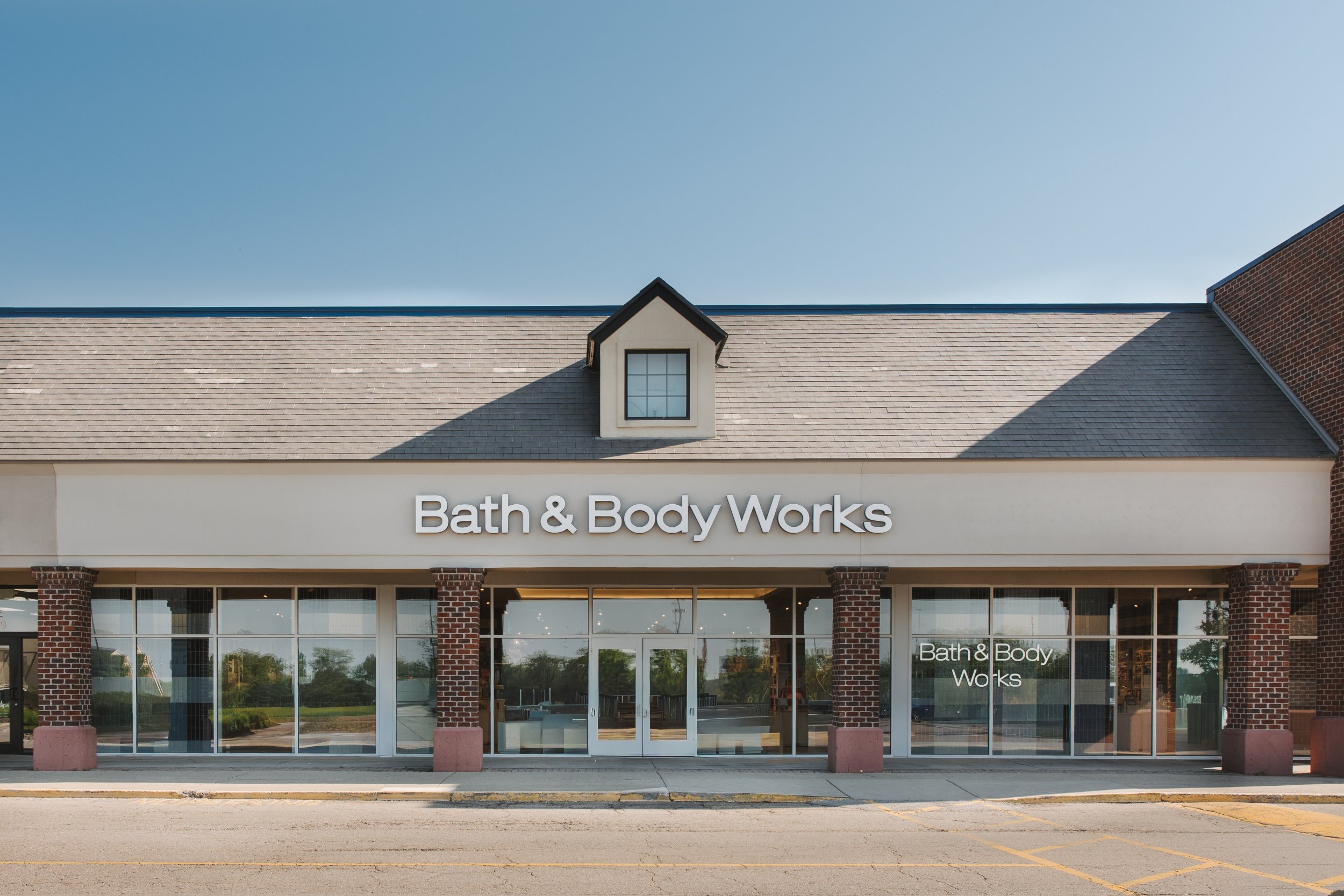
Distribution is changing too. The first authorized U.S. Amazon storefront opened in February 2026. A curated range arrived at more than 600 Ulta Beauty stores and Ulta.com from July 12, with Juniper Breeze returning as an exclusive. The logic is straightforward: let people encounter the brand during shopping trips they already take. In October, the company announced a temporary holiday expansion to all Ulta stores, with Pink Suede returning exclusively through the partner. The full assortment still gives its own stores a distinct job.
The next visit must be earned
Scale makes this an interesting test. The fiscal 2025 annual report recorded 40 million active loyalty members and described 60% of the North American store fleet as off mall. The old mental picture of a mall-only chain needs updating. The model also earns money through international franchise, license and wholesale arrangements, alongside its own stores and digital sales.
Fiscal 2025 net sales were $7.291 billion. In the second quarter of 2026, total sales fell 2.3% while direct sales rose 3%. The quarter included $9 million in transformation costs before tax and about $80 million in tariff refunds. Those refunds helped earnings; they do not demonstrate stronger customer demand. Management still expected full-year sales to decline.
A retailer can copy the discipline here: connect novelty to a useful product, leave production room for winners, and judge an extension against the customer’s actual shopping occasion. Fragrance-sensitive shoppers, strict necessity budgets and customers who prefer other scents will limit the appeal. Familiarity helps only while the product earns its place. Eventually the candle burns down. Whether someone buys another is the whole business.