A city can own world-class laboratories and still make a founder hunt for the right door. Campinas, about 100 kilometers northwest of São Paulo, has long had the raw material of a technology center: the University of Campinas, research institutions, established companies and a steady supply of technical talent. The recurring problem was not invention. It was navigation. Who knows the investor? Which corporation has the matching problem? Where is the mentor who has already made this expensive mistake?
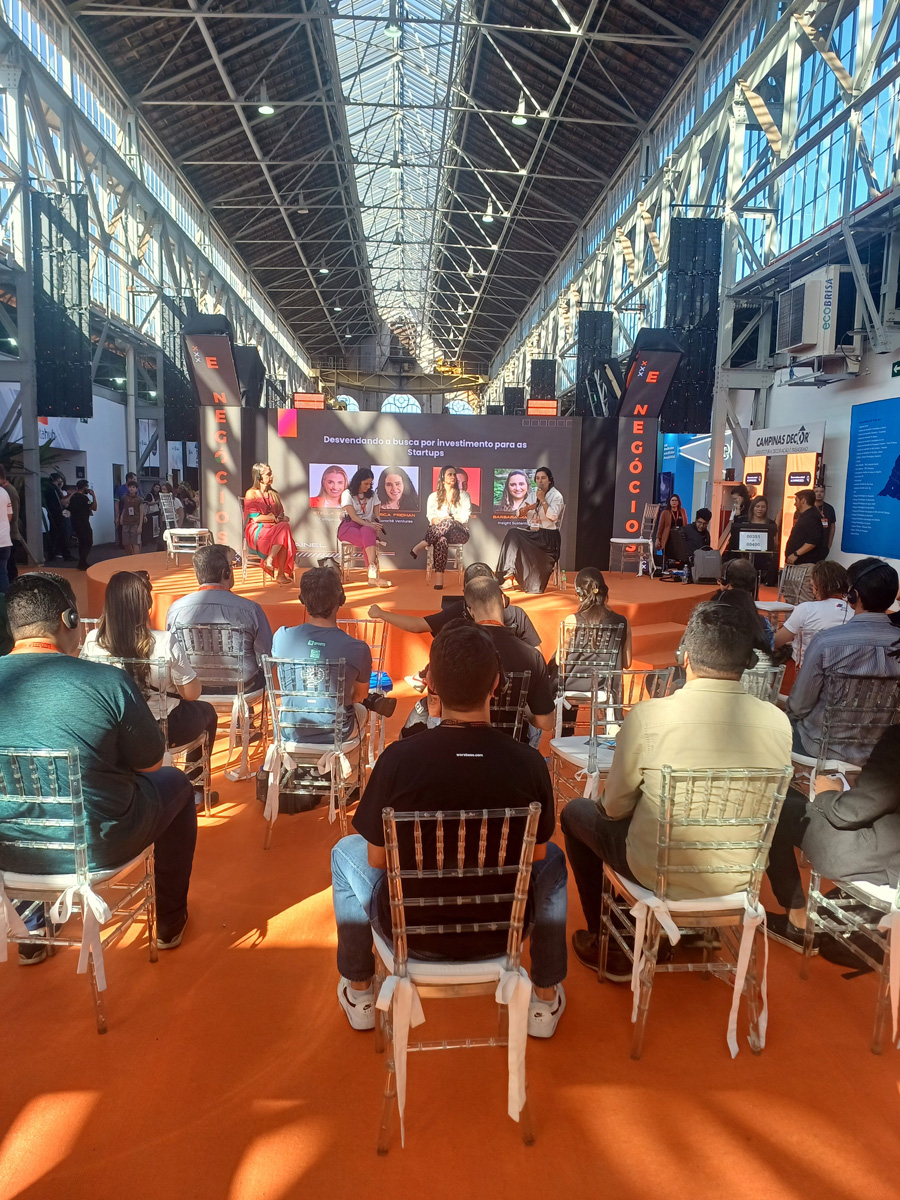
Associação Campinas Tech exists to shorten those searches. It is a nonprofit association, not a venture fund and not a conventional accelerator with a fixed cohort and demo day. Its product is a better-connected local market. Startups meet corporations, public officials, universities, research centers, investors and one another through workshops, roundtables, mentoring, business meetings, podcasts and the oldest technology in networking: people in a room with something specific to discuss.
The merger was the strategy
The story starts before the current name. In July 2010, students from Unicamp formed Associação Campinas Startups, or ACS, around a simple bit of founder logic: individual pain becomes more manageable when experience circulates. Five years later, ACS joined forces with the Campinas committee of the Global Entrepreneurship Network. The combination produced Campinas Tech and widened the frame from helping startups to organizing an ecosystem around them.
That distinction matters. An association of founders can exchange advice. An ecosystem organization must persuade people with different incentives to keep showing up. A university measures research. A corporation wants innovation with a business case. An investor wants deal flow. A city wants jobs and development. A founder wants all of the above, preferably before the runway ends. Campinas Tech built its offer around the overlap.
The first thing to break in a fragmented ecosystem is discovery. Programs may exist, but the intended users do not hear about them; talented founders may be one introduction away from a pilot and still never meet the buyer. The 2015 merger suggests what changed the organization’s mind about scale: startup support alone was too narrow. The network had to include the institutions that own capital, laboratories, customers and public authority.
“Conectamos boas ideias ao sucesso. Conectamos pessoas ao futuro.”Campinas Tech’s public statement
A portfolio of reasons to meet
Networking is a mushy promise unless it has a format. Campinas Tech gives it several. Pulsa!, its umbrella movement, combines entrepreneurial education, mentoring, meetups, workshops, podcasts, content and happy hours. Its “Sala Secreta” places startups in conversation with a C-level mentor whose identity is withheld until the session. The gimmick is playful, but the design is serious: curiosity gets people through the door; curation gives the conversation value.
For founders, the menu includes mentor access, investor introductions, visibility and routes into acceleration programs. Investors are offered curated startups and regional market intelligence. Corporations come for open innovation, talent and possible partners. Mentors receive a place to contribute and meet peers. The podcast handles practical subjects such as tax reform, governance and compliance - topics less cinematic than a pitch competition and considerably more likely to determine whether a small company survives.
The scale is meaningful for a regional organization. Campinas Tech reports more than 500 active members, 150 connected companies, over 50 startups, more than 30 mentors and upwards of 200 events. It also publishes an ecosystem figure of more than R$2 billion in investment. That last number belongs to the connected ecosystem, not to a funding round raised by the association. Campinas Tech itself has disclosed no venture financing, valuation or annual revenue.
Figures are reported by Campinas Tech on its current membership platform and describe the network, not audited operating results.
The business model is access, lightly monetized
This is a nonprofit, so the commercial question is not what multiple it earns but how the convening work gets paid for. Its public materials point to an association structure supported by memberships, programming, institutional partnerships, sponsorship opportunities and events. A single universal price is not posted. During the 2024 board transition, the organization advertised a free association option so members could take part in governance. A March 2026 happy hour was free to enter, with each guest paying only for personal consumption.
That low barrier is useful. It gives a curious founder a cheap first step and preserves a wide top of funnel for the community. More selective value appears deeper in the system: curated deal flow for investors, access to senior operators, business rounds and targeted open-innovation connections. The model competes with accelerators, university incubators, chambers of commerce, coworking communities and direct outreach on LinkedIn. Its difference is neutrality. Campinas Tech can sit between those organizations because it is not trying to be the fund, campus, corporation or startup in the exchange.
What another city can borrow
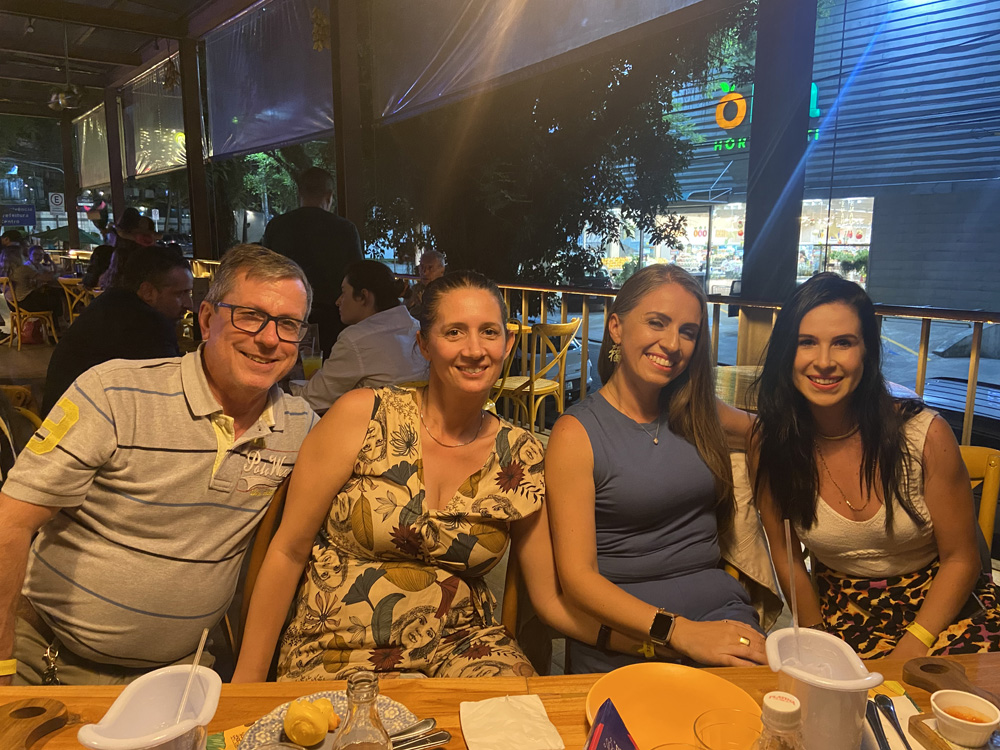
The copyable part is not the Campinas brand. It is the operating rhythm. Start by mapping the institutions that already possess talent, capital, customers and legitimacy. Give each group a clear benefit for participating. Build several meeting formats because a first-time founder may thrive in a workshop and freeze in a formal investor room. Keep the calendar moving. A network compounds only when introductions are followed by second encounters.
The practical playbook
- Organize around an existing regional strength, not a fashionable sector pasted onto a map.
- Design each gathering for a job: learn, meet a buyer, test a pitch or solve a shared problem.
- Let established initiatives keep their identity; amplify them instead of demanding ownership.
- Measure completed introductions, pilots and follow-on meetings, not merely registrations.
- Mix formal mentoring with informal time. Trust rarely follows the published agenda.
Pulsa! adds another lesson: do not assume every useful initiative must belong to the central organization. Campinas Tech says the movement exists to collaborate with and amplify work already underway. That posture lowers turf battles and gives universities, companies and independent communities room to contribute without becoming subsidiaries of somebody else’s brand.
The approach depends on conditions that cannot be conjured by event production alone. There must be a real concentration of founders and institutions, leaders willing to share access, and enough continuity for trust to accumulate. A calendar full of generic panels will not repair a place with little technical talent or no prospective customers. Free admission can widen participation, but programming still needs money and labor. And neutrality disappears quickly if sponsors or insiders capture the agenda.
There is a subtler risk, too: mistaking attendance for impact. A crowded room photographs well; a useful introduction may involve only three people and take six months to produce a contract. Campinas Tech’s published totals establish activity and reach, but the next level of proof would follow the chain from meeting to pilot, from mentoring session to changed decision, and from investor introduction to capital actually wired. Regional connectors earn credibility when they measure the quiet outcomes as carefully as the busy rooms.
Governance is therefore part of the product. Campinas Tech publishes its board, ethics materials, statute and a 2023 accounts presentation. Its 2024-2026 leadership spans entrepreneurship, ecosystem development, legal affairs, treasury, member service, marketing, developer communities, sustainability, diversity, data and people. In a municipal council meeting shortly after Irina Bezzan became president, she described expanding the board from four people to 14 so overlooked parts of the ecosystem would receive attention. The public roster is larger still when functional leads and support roles are counted.
A regional machine, not a global vanity project
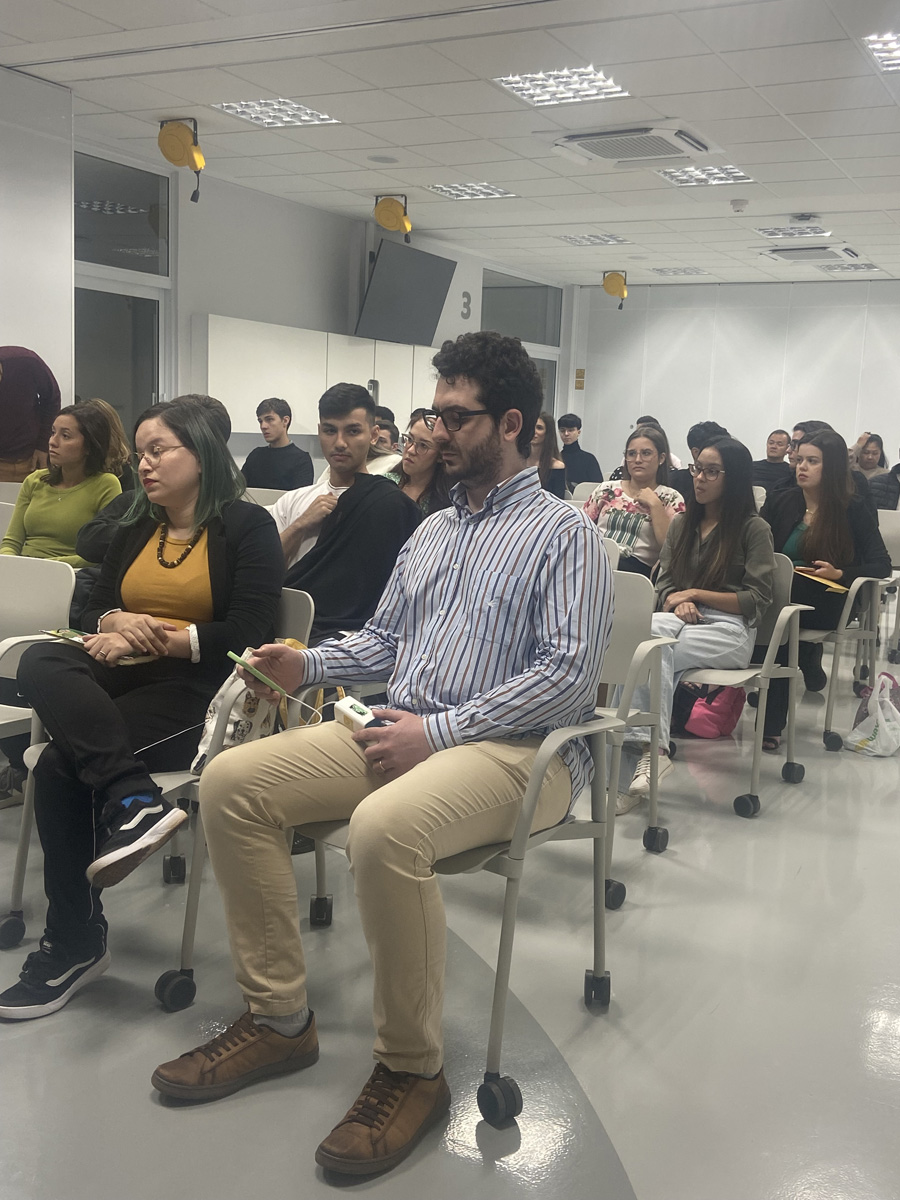
Campinas Tech’s reach is deliberately local. It borrows global inputs - a 2025 visit to SXSW became a free debrief back home - but the output is regional usefulness. Its representatives sit alongside business associations, SEBRAE, universities and public bodies in the city’s science and technology machinery. The association can introduce a Campinas founder to a Campinas executive this month, then create the conditions for them to meet again next month.
That is less glamorous than promising to manufacture unicorns. It is also more honest about what an ecosystem group controls. Campinas Tech cannot guarantee funding, customers or successful companies. It can reduce the distance between people who might create those outcomes. The organization’s slogan is “Somando, multiplicamos” - by adding, we multiply. The math is figurative. The switchboard is not.