Eleven years into building BuyerForesight, Ashutosh Prasad chose a curious name for his founder newsletter: Still Here. There were other options. In September 2025, he could point to a business that had grown from one person to 80, and from zero to $5 million in revenue. Those were his figures, and they would have made a perfectly respectable opening slide. He put them near the beginning, then moved on.
He wanted to write about the decisions between the milestones. Keeping people employed through difficult periods. Leading a business after the novelty of founding one had worn off. Figuring out what comes after survival. The title had the dry economy of someone who had attended enough presentations to know that the most interesting part usually gets left out.
Prasad has spent years asking salespeople and marketers to notice the same omission in their own work. They can count the names, the responses and the people in the room. His recurring question is what they have actually learned about any of them.
A founder’s retrospective, dated to its telling.
The homework before the hello
BuyerForesight began in 2014. Prasad’s earlier career included founding Profitix and roles in customer experience at Clarion Technologies and cloud consulting at Saviant Consulting. The thread running through that work was the practical business of getting technology and services into markets. His company biography describes more than 20 years spent establishing and expanding them.
By June 2017, he was writing about a distinctly unglamorous sales advantage: preparation. Read what a prospect has written. Examine the jobs their company is trying to fill. Understand the systems a new product would have to work alongside. Arrive knowing enough to ask a useful question.
These were small acts of attention with commercial consequences. A hiring notice could describe a project more candidly than a corporate slogan. A team member’s account of their work could reveal what a buyer might ask next. Prasad treated this research as a way of respecting someone’s time.
His advice also made a demand of the seller. Preparation had to happen before the call, without the prospect supplying all the context. The calendar invitation was permission to talk. Doing the homework was what made the conversation worth accepting.
When three downloads become a prophecy
In August 2018, Prasad took aim at sales intelligence. He described vendors offering job titles, company announcements, technology lists and evidence of content downloads. The package looked impressive. The interpretation was often still waiting to be done.
He illustrated the problem with an industrial technology example. A manufacturer’s innovation plans, specialist recruitment and newly automated plant might together suggest a concrete business need. Each item alone was a fragment. Connecting them to a particular product required judgment about what the company was trying to accomplish.
“Once you’ve parsed, interpreted and reached defensible conclusions”
Ashutosh Prasad, on the work behind sales intelligence, 2018
The qualifying word is defensible. He was asking for an explanation that could survive the next question. Why this company? Why these people? Why would they care now? A database could help assemble the evidence. Someone still had to make sense of it.
There is a wryness to this part of his writing. He understood the temptation to treat a few downloaded papers as a forecast. It is a pleasingly economical way to do sales, provided nobody insists on buying anything.
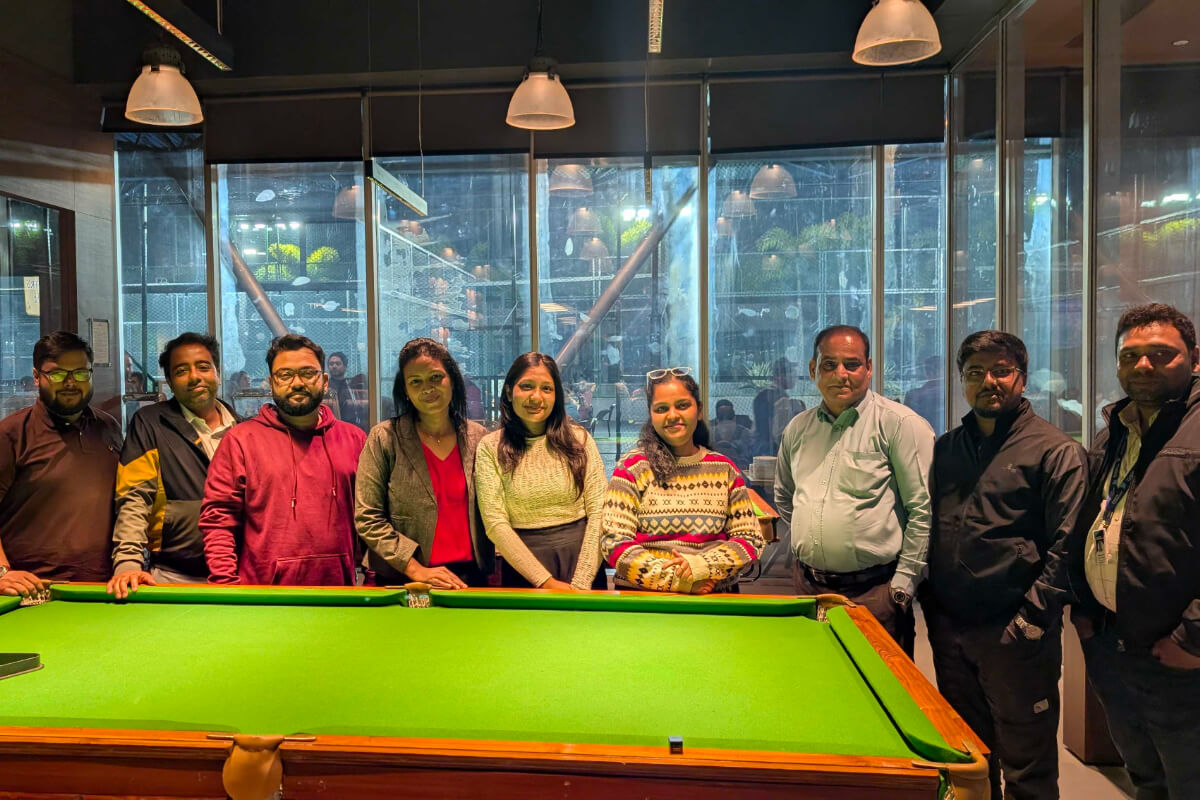
A room where nobody has to perform interest
By 2024, his argument had widened from the individual sales call to the community around a business. He wanted companies to talk with potential buyers before those people were ready for a formal sales discussion. That changed both the timing and the manners of the encounter.
An invitation-only community, as he described it, offered people somewhere to ask questions without immediately becoming the audience for a pitch. The quality of participation mattered more than the apparent size of the crowd. A gathering full of people trying to sell to each other could produce tremendous activity and very little understanding.
Prasad saw uses beyond the sales team. What people discussed could inform product decisions, customer experience, market research and the language of marketing itself. The community was a way for a company to hear where its own assumptions were becoming stale.
BuyerForesight put that thinking into conversation-driven programs for technology companies. Its executive team includes chief revenue officer Mitch Speers and customer operations leader Senjuti Ghosh. Audience selection, moderation and follow-through require different kinds of work. The social ease of a good discussion sits on top of an operational undertaking.
- 01ResearchUnderstand the business.
- 02InviteOffer a reason to care.
- 03ListenHear the live priorities.
- 04ContinueUse what was learned.
The meeting before the meeting has a bill
Prasad’s interest in the machinery became explicit in September 2025, when he wrote about what he called the convergence tax. The term described the expense of getting an organization’s different stakeholders to agree on what an event should accomplish.
Sales might want opportunities. Marketing might want demand. Product might want customer insight. Leadership might want a more visible place in the market. All could attend the same planning meeting and leave believing that an entirely different event had been approved.
His framework asked teams to count internal coordination alongside the visible spending on production. He proposed presenting stakeholders with defined event options so they could choose and refine, rather than begin with an empty page. He also distinguished situations suited to an internal producer from those that warranted outside expertise.
The proposal carries the stamp of someone who has watched a brief acquire extra ambitions while its budget remained admirably still. In Prasad’s account, the cost starts accumulating well before a venue is booked. Agreement has to be produced too.
The dinner that lost on a spreadsheet
One of Prasad’s more pointed examples concerns a dinner he said produced ten times the pipeline of a trade show, yet was cut because its cost per lead looked too high. He did not name the client or event. The anecdote is his illustration of a measurement problem, rather than a benchmark for every dinner.
Its appeal is easy to understand. A crowded booth can distribute its cost across many names. A small event has fewer names to divide by. Judge both primarily on that division and the smaller gathering can appear inefficient even when its conversations lead further.
Prasad suggested comparing how leads become opportunities across event types. That would give a marketer a way to describe movement beyond initial interest. The question makes a difference to the person arguing for next year’s budget: which encounter helped a buyer take a consequential next step?
In November 2025, he brought the criticism back to planning. His essay on event strategy argued for beginning with what buyers wanted to learn or solve. Revenue targets could establish the commercial requirement. They could not, by themselves, supply an audience’s reason to attend.
“The best event strategies start with buyer motivation.”
Ashutosh Prasad, November 2025
Another company, the same stubborn question
Amzai gives his work another operating context. Prasad is its founder and CEO, alongside his continuing identification as BuyerForesight’s chief executive. He became a director of Amzai Limited in September 2025; his BuyerForesight UK directorship dates to May 2024.
Amzai works across event calendars, offering help with audiences, sponsorship, coordination, delivery and learning from results. Its customers include technology businesses, law firms, associations and media or event organizers. The proposition addresses the work surrounding a gathering as well as the gathering itself.
That scope makes sense beside Prasad’s convergence argument. An organization can have a worthwhile event idea and still struggle with all the work required to repeat it. Invitations, speakers, sponsor commitments and reporting each need an owner. A calendar multiplies those obligations.
Amzai’s public materials describe using automation and AI to improve delivery while retaining human involvement. That sits comfortably with Prasad’s longstanding interest in interpretation. Tools can make a task faster; the organization still needs to decide what the task is meant to achieve.
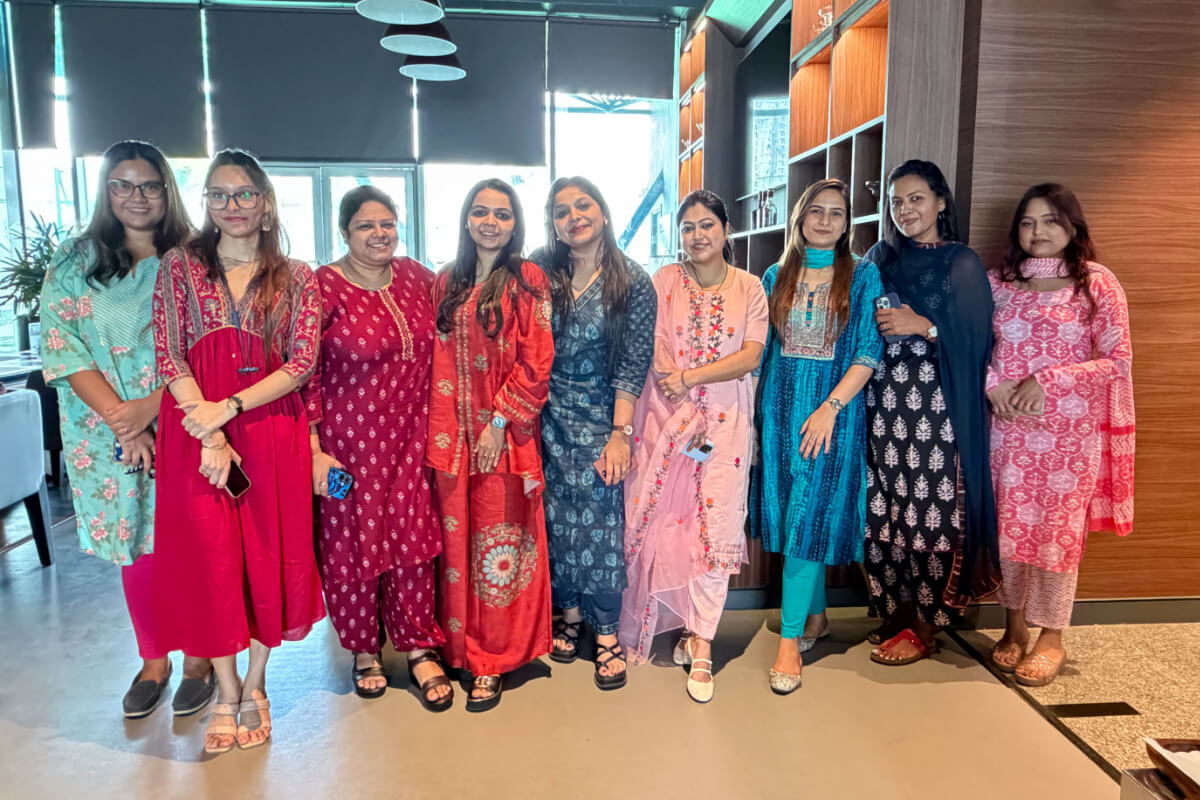
What happens after “thanks for coming”
A recent post recounts a question from a senior media executive: why would a business that already knew its audience need help understanding it? Prasad acknowledged the force of the question. Media businesses possess extensive histories of what people read, attend and engage with.
His response concerned the reasons behind those histories. People with similar profiles can arrive with different priorities. The discussion itself can test what the database suggests. A record of attendance becomes more useful when someone also understands why the person came.
He applies the same care to geographic expansion. A conference with an established American audience does not automatically arrive in Europe with equivalent trust. His proposed first step is a smaller gathering that tests the local audience and topic before a larger commitment.
Across these examples, Prasad keeps returning to work that happens between the more photogenic moments. Research before a call. Agreement before an event. Interpretation after a discussion. Those intervals rarely make the celebratory photograph. They occupy much of the job.
It is fitting that his newsletter chose them as its subject too. Still Here gives a founder room to describe a business as something continually being worked out. For Prasad, the useful conversation begins when people have a reason to say what is actually on their minds. Then comes the part he has been insisting on for years: pay attention to the answer.