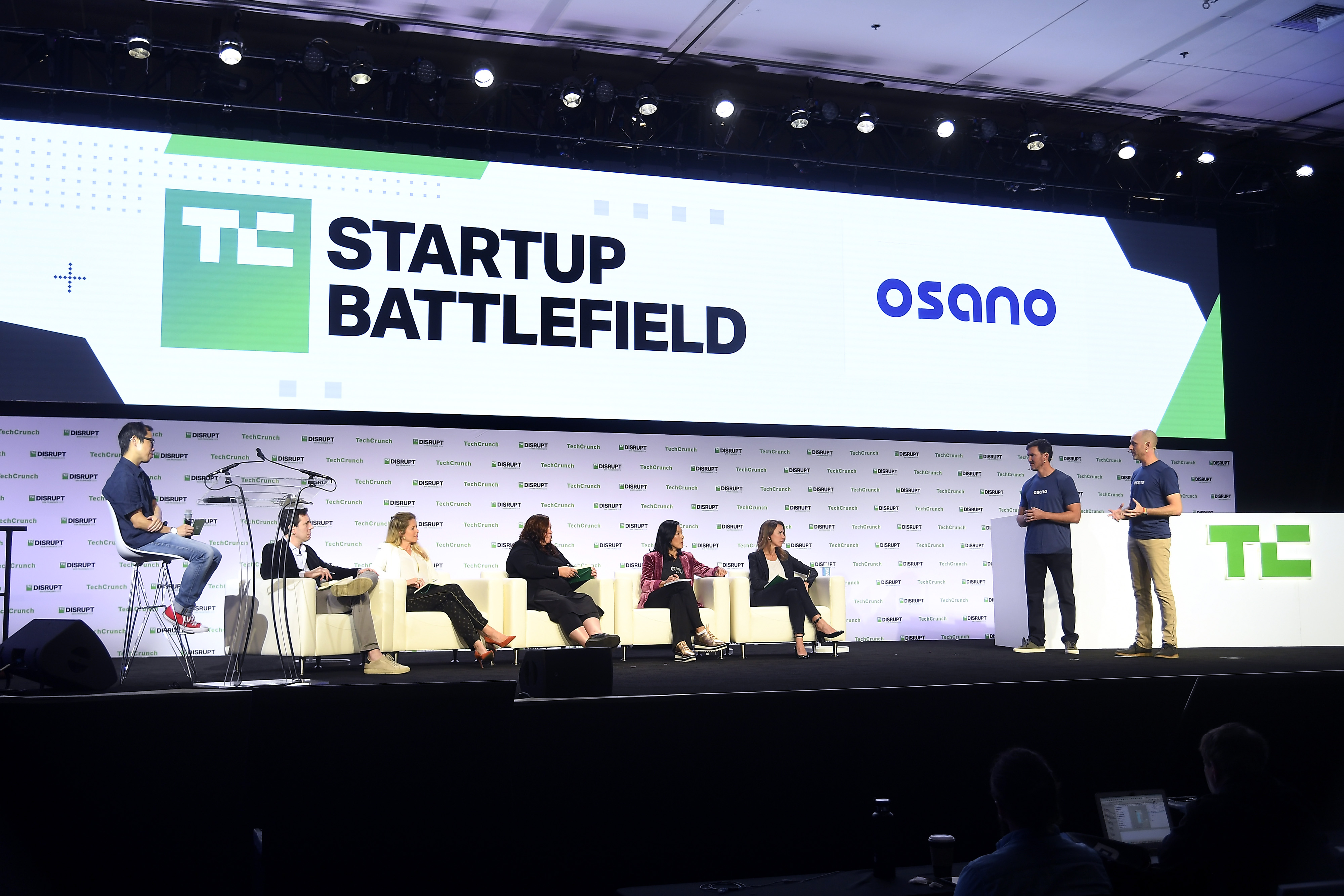
Arlo Gilbert had a company he called his baby and a job that was becoming less like the work he loved. By July 2025, Osano needed more operational discipline. Gilbert wanted to find the next product, build the next thing, and spend more time at the beginning of a problem. He announced a solution that involved replacing the chief executive. The chief executive was himself.
Bobby Jaffari took the CEO role. Gilbert became Osano’s first chief innovation officer. For a founder, this is a rather public way to acknowledge that a company’s needs and its creator’s interests can develop at different speeds. Gilbert described the change plainly: he enjoyed the earliest stage of building, while the business now demanded a different kind of leadership.
The decision makes more sense when you follow the problems that have caught his attention. Cheap internet calls. Software subscriptions nobody could account for. A connected-home gadget whose manufacturer could switch it off. Privacy policies that ordinary people could scarcely interpret. Gilbert has repeatedly found himself looking at technology that worked, then asking a less comfortable question: worked for whom?
A telephone call, with fewer strings
Long before cookie banners, there was iCall. Gilbert co-founded the internet-calling company, whose software offered free or inexpensive calls over broadband. It belonged to a period when making a telephone call through an application still challenged assumptions about what a mobile network should permit. The technical possibility and the commercial permission were separate matters.
In January 2010, Apple allowed internet-calling applications to operate over cellular 3G networks. iCall promptly released an update supporting the change. Previously, those calls had been confined to Wi-Fi. For a user, the difference was wonderfully mundane: leaving the house no longer meant leaving that way of calling behind.
Later that year, a network-provider announcement put iCall’s downloads above five million. Gilbert’s contribution was practical as well as technical. Keeping costs down while preserving call quality was central to his account of the business. Free calling still required somebody to pay attention to the bill.
His old programmer profile supplies another detail. He described working with PHP, JavaScript, and MySQL, and liked Google App Engine because it reduced the work of running servers. The preference is recognizable across his later ventures: useful machinery should remove chores.
The software nobody remembered buying
In 2016, Gilbert and Scott Hertel started Meta SaaS. Companies were accumulating subscriptions, and the spending was becoming difficult to see. A department could buy an application outside the usual purchasing process. An account could remain open after its owner stopped needing it. The resulting collection was expensive, untidy, and surprisingly easy to overlook.
Gilbert’s description of the market went beyond trimming a budget. Customers also needed to understand which applications held information, who could access it, and whether that access was authorized. The renewal notice was an obvious symptom; the less visible problem was a business losing track of its own software.
Flexera acquired Meta SaaS in May 2018 and renamed the product Flexera SaaS Manager. Gilbert had helped build a business around making hidden subscriptions visible. He and Hertel would next apply their attention to another collection of things organizations struggled to follow: the promises their vendors made about personal data.

The $299 tub of hummus
Gilbert could also make a technology complaint memorable. In April 2016, he wrote about Revolv, a home-automation hub acquired by Nest. The service was scheduled to shut down, taking the device’s usefulness with it. He compared his $299 purchase to an empty hummus container. The resemblance of the circular gadget to a supermarket tub did much of the comic work.
His grievance came from use, rather than a passing interest in gadgets. He had linked outdoor lighting and motion-triggered lights to the hub. He had also arranged for a bedroom lamp to brighten gradually while NPR played through Sonos. This was a household with a fairly elaborate opening act.
The post asked what ownership meant when a manufacturer could withdraw the service that made purchased hardware function. Gilbert wanted a replacement service or a refund. His irritation was specific, funny, and legible to anyone who had bought something expecting to keep using it. Years before Osano, he was already writing about the distance between a technology company’s power and its customer’s expectations.
A business hiding in the confusion
The 2018 congressional questioning of technology executives helped bring Gilbert and Hertel to privacy. If senior public officials were struggling to understand how information moved online, business teams were likely struggling too. Osano was founded that October. Its starting observation was that doing the right thing with personal data could be difficult even for organizations willing to try.
The company brought legal knowledge into a software problem. Its early Privacy Monitor browser extension gave people a way to inspect a company’s privacy practices. A team of attorneys evaluated policies against standardized questions. The fine print would become something a user could compare, rather than merely scroll past.
That work has a family resemblance to Meta SaaS. Both businesses dealt with arrangements made in many places, in language that discouraged casual inspection. Before anyone could make a better decision, somebody had to collect the details and make them understandable.
The route to a business was hardly a straight line. Gilbert and Hertel tried a consumer offering and worked on vendor-risk assessment. They also acquired the open-source Cookie Consent project. Companies using the banner began asking for a commercial product, and Osano built one.
By December 2019, Gilbert said the open-source tool brought more than a million monthly visitors to the website. He explained the relationship between free and paid software with a comparison to Fortnite: a free starting point, with reasons to pay for more. Privacy compliance had acquired an unexpectedly accessible sales explanation.
We wanted to create the company we always wished existed.
Two banks. One unpleasant weekend.
Some entrepreneurial lessons resist being turned into a reassuring diagram. Osano had arranged banking redundancy by using two banks. In 2023, those banks were Silicon Valley Bank and Signature Bank. Both closed within the same short stretch of days. The precaution had produced a distinctly awkward coincidence.
Gilbert later recalled being uncertain whether the company had a financial future. The situation was resolved, but the anecdote punctures the tidy version of startup leadership in which every sensible precaution neatly reduces risk. Sometimes the spreadsheet has two rows and the same problem appears in both.
There were also less dramatic lessons about authority. After he posted an observation about job hopping, two people separately wondered whether he meant them. A founder’s general remark could arrive in someone else’s day as a personal message. His audience was reading more intention into his words than he had put there.
Money for the work, and people to do it
In August 2023, Osano announced a $25 million Series B led by Baird Capital. The planned uses were concrete: engineering, product development, sales, research, and a channel program. The company was expanding its tools for finding and managing personal information, including data mapping and vendor discovery.
Gilbert’s accompanying message emphasized responsible growth and customer experience. He also connected how employees were treated with how customers would be treated. That view fitted a company built as a public benefit corporation and certified B Corp, with a mission extending beyond selling compliance software.
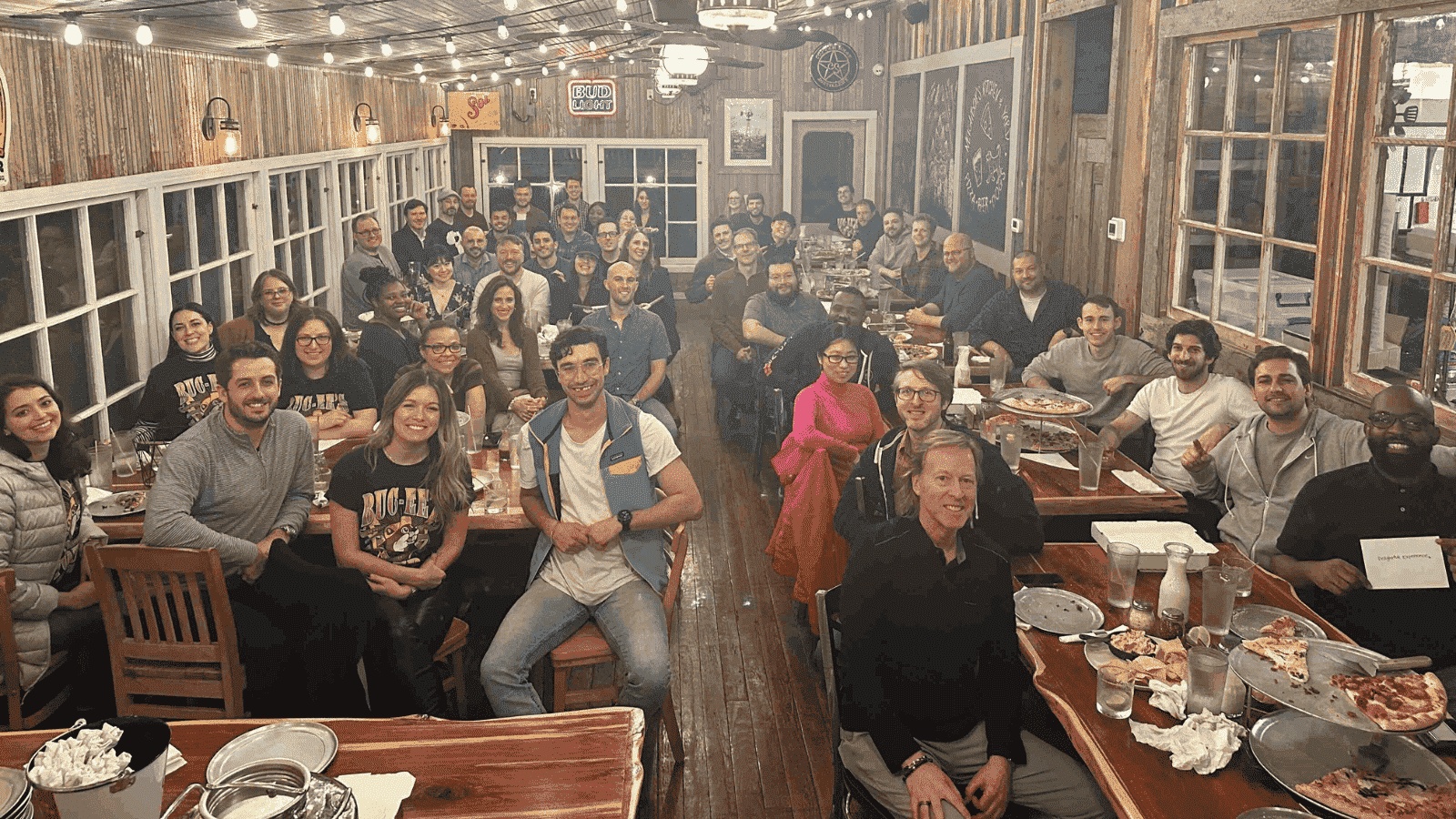
Osano was already operating remotely in its early years. In 2019, Gilbert described wanting to create the company he and his co-founder had wished existed. Distributed work was part of the design. The ambition concerned the experience of building a business as well as the product it shipped.
Giving the fine print a speaking voice
In April 2024, Gilbert published The Privacy Insider: How to Embrace Data Privacy and Join the Next Wave of Trusted Brands. The title proposed an audience wider than specialists. He wanted people to understand why privacy mattered, how its rules had developed, and what companies could do about it.
“I wrote this book to change that and empower people,” he said of the subject’s intimidating complexity. A book could take readers through the context that a product demonstration or a cookie notice would rarely explain. It also gave his company’s underlying argument room to breathe: trust depends on what happens to information after it is collected.
He launched The Privacy Insider Podcast alongside the book. Guests have included Google’s outgoing chief privacy officer Keith Enright and Neo4j chief technology officer Philip Rathle. Those conversations move between the responsibilities of large technology companies and the practical questions facing teams trying to manage information. Gilbert can be the builder, the questioner, and the person translating between the two.
Back at the beginning, with AI
His newer work returns to the question of making complicated systems answerable. On his personal website, Gilbert describes building generative AI systems that combine reasoning models with graph-based knowledge, aiming for decisions whose evidence can be examined. In July 2026, he wrote about Osano’s privacy-trained AI assistant, emphasizing citations and access to human expertise for difficult questions.
The interest comes with some ambivalence. In an April 2026 essay about AI coding, he described the strange loss of pleasure that could accompany having agents produce more of the software. A builder could become a reviewer of work he had once enjoyed making. He hoped a new discipline around orchestration might restore some of that satisfaction.
That complicates matters for someone who changed jobs to spend more time building. The tools that help him do more can also alter the part he likes. He keeps using them and keeps asking questions about the bargain.
Gilbert now introduces himself from Minneapolis. Away from the software, he describes a family of four children, admiration for his father and uncle, and a fondness for coffee with entrepreneurs and investors. His wish to leave a worthwhile legacy sits beside a more immediate invitation to meet and talk. For someone drawn to beginnings, a conversation remains a convenient place to start.