Ariel Chen had the sort of Black Friday an online retailer is supposed to want. Babe Cosmetics, the business he ran with his younger brother, Avia, had brought in subscribers and lifted its annual recurring revenue by 78%, he later recalled. Then the sales started coming back in a rather less welcome form: disputes. By January, his count was 655 chargebacks. The celebration had acquired an administrative department.
Chen says those disputes consumed 15% of the brand’s bottom-line profit. Staff were spending their time on repetitive responses, and the merchant account itself was at risk. His account begins on November 27, 2020, with a campaign that looked successful on paper. It ends with the brothers deciding that the paperwork deserved a business of its own.
Today, Chen is co-founder and CEO of Chargeflow, which automates the prevention and handling of chargebacks. The business grew out of a merchant’s fairly modest wish: to sell something, deliver it, and retain the proceeds. Between those three events lies enough confusion, evidence gathering and competing claims to occupy a founder for years. Chen has chosen to occupy himself there.
Chen’s account of Babe Cosmetics after Black Friday 2020.
A shopkeeper before the software
His introduction to commerce came early. At 16, Chen founded his first ecommerce company. Jerusalem is the starting point of the brothers’ business story; their collaboration began while Avia was still 12. Their later careers would involve software and venture capital, but the original occupation was recognizably retail: find something people want, sell it, and make the business work.
Chen subsequently spent three years in the Israel Defense Forces as a technology unit chief. He moved to Florida to work in fintech, taking on merchant services and, later, broader business operations. His career includes the chief operating officer role at MasterPos. That gave him experience on the payments side of the counter as well as the merchant’s side.
The combination matters. A seller sees an order and a customer. A payments operator also sees the systems through which the money travels, and the conditions under which it can travel back. Chen’s eventual company sits between those perspectives. His biography contains both the practical experience of running a store and the technical work of keeping systems functioning.
Babe Cosmetics sold cruelty-free beauty products and used Shopify. The brothers could add outside tools for subscriptions, marketing, payments and upselling. A store could become more sophisticated without its owners building every component themselves. Dispute handling was the troublesome exception in their own experience: the useful app they wanted was missing from their working setup.
The customer could be real. So could the problem.
A chargeback is a disputed card payment, and consumer protection is part of its purpose. Chen focuses on first-party misuse, often called friendly fraud. The name has unusually good manners for something that can remove money from a seller’s account. A purchase can be genuine, yet subsequently disputed because the buyer forgot it, misunderstood it, or is deliberately denying it.
Chen has also described why those cases are difficult to distinguish from legitimate complaints. The transaction itself may look ordinary. The disagreement arrives later, along with a requirement to establish what happened. A delivery record, an order history or an exchange with customer service can become the difference between a completed sale and a loss.
His response extends beyond recovering the payment. In his practical advice to merchants, he has stressed clear shipping policies and preserving customer conversations. For a seller facing an item-not-received claim, the details of what was promised and what was communicated become useful evidence. That is a very shopkeeper-like view of technology: its value depends on whether it can retrieve the right fact when someone needs it.
- PurchaseAn order is placed.
- DisputeThe payment is challenged.
- EvidenceThe merchant explains the transaction.
- DecisionThe claim is resolved.
By 2021, the brothers had founded Chargeflow. They sold Babe Cosmetics to concentrate on the new venture. Moving from selling products to handling disputes meant taking on a recurring chore for other sellers. Their former problem supplied both the product brief and an explanation a prospective customer could understand without sitting through a grand theory of commerce.
Getting paid when the merchant gets paid
There is a revealing choice in Chargeflow’s recovery model: payment tied to the result. In January 2025, its recovery service was described as charging 25% of successfully recovered disputes, without setup fees or monthly subscriptions for that service. The arrangement made the sales conversation concrete. The merchant could compare a share of recovered money with the cost of doing the work internally.
That model also puts pressure on the supplier to complete the job. A dashboard full of disputes is still a dashboard full of work. For Chen’s customer, the desired outcome is money recovered and time returned to the business. The product has to account for what it accomplishes, rather than merely provide a place to watch the problem accumulate.
The company’s early development reflected that emphasis. The founders invested in reaching customers before making a large upfront investment in technology, delivering the service with people involved while they learned what to build. Shopify and Stripe’s app marketplaces became important distribution channels. They were places where merchants were already shopping for help, much as the brothers themselves had done.
“You design your future, and it starts now.”
Ariel Chen, reflecting on building businesses with Avia
There is a pleasing circularity here. The brothers used an app ecosystem to run their cosmetics business, found a task they could not comfortably outsource, and returned to that ecosystem as a supplier. The distance between customer frustration and product distribution was shorter because they had already walked through the same shop door.
The work is unglamorous in a useful way. An order record does not become more persuasive because its owner is tired of looking for it. A missing conversation does not reappear because a business has had a busy week. Software that assembles those details is taking responsibility for a task whose importance tends to rise precisely when the merchant has less time to spare.
The brother remains in the picture
Avia is a recurring presence in Ariel’s account of his career, rather than a co-founder introduced only at the financing announcement. Ariel has publicly described him as a friend and partner, praised his ability to execute, and emphasized enjoying the road together. His reflections on work favor choosing something one wants to do and pursuing it consistently.
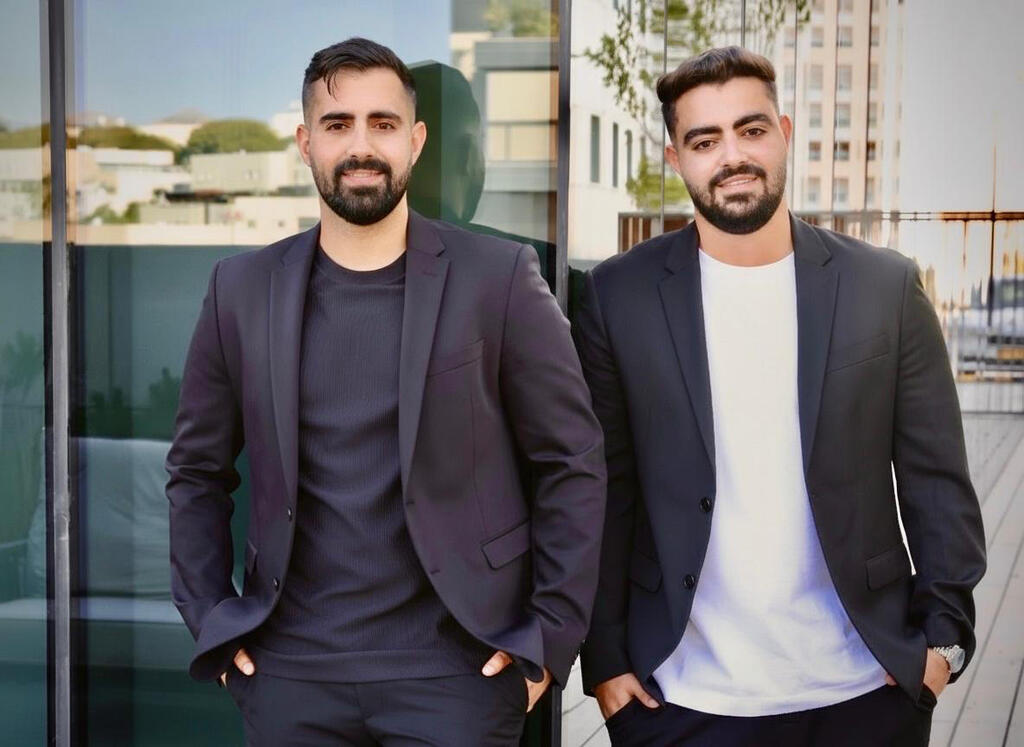
That sentiment has a practical setting. Their collaboration spans selling physical products and building software for other businesses. At Chargeflow, Ariel is CEO and Avia is co-founder and CMO. The titles divide responsibilities; the origin story remains shared. It is difficult to tell Ariel’s business history without repeatedly finding his brother already in the room.
He also talks directly to the merchant audience. An AutoDS video appearance addressed chargeback automation. In a Merchant Fraud Journal podcast, he discussed gift-card fraud, a scam beginning with money sent to a merchant, and the importance of customer communication. The subject sounds technical until the conversation returns to the shop owner trying to understand why money has arrived, disappeared or been challenged.
More capital, an earlier intervention
In August 2023, Chargeflow announced $11 million in seed funding led by OpenView, alongside an earlier $3 million round. In November 2025, it announced a $35 million Series A package led by Viola Growth, including a $10 million debt facility. The stated total reached $49 million. The debt component matters when reading the headline number: the package combines different kinds of capital.
The product ambition had also widened. ChargebackOS brought prevention, recovery, alerts, insights and connectivity into a broader post-purchase offering. Chen described plans for Digital Commerce Agents that could monitor risks and act around the clock. Those plans move his original question earlier in the transaction: can a troublesome order be recognized before it produces a dispute?
In June 2026, Chargeflow announced board appointments for former Payoneer CEO Scott Galit, OpenView founder Scott Maxwell and Viola Growth general partner Natalie Refuah. Chen linked their experience to the company’s expansion, operations and infrastructure. The teenager who started selling online was now building with people whose careers included scaling payments and software companies across markets.
Growth changes the founder’s work as well. A service built around one recurring merchant problem must fit more systems and support different kinds of businesses as it expands. The appointments place that operational challenge alongside the product ambition. For Chen, keeping a sale from turning into another job now involves a much larger organization than the cosmetics business where the concern became personal.
The jacket that an agent bought
By October 2026, Chen was applying the same concern to purchases made by AI agents. He offered a hypothetical jacket buyer who asks for a returnable item, only for an agent to order something marked final sale. The retailer can fulfill the order correctly and still face an unhappy customer. A successful payment leaves the important disagreement unresolved.
His proposed response is to connect permission, purchase instructions, order changes and fulfillment records while the merchant can still intervene. In that example, a confirmation before shipping could spare everyone a later argument. It is a telling choice of illustration. After years building software around disputes, Chen still explains the problem through an ordinary purchase that has gone slightly, expensively wrong.
The sale that began his Chargeflow story appeared to be finished. Its consequences kept arriving. His current ambition is to give merchants more chances to resolve those consequences before they become another stack of claims. The cosmetics have left the picture. The shopkeeper’s concern remains: what, exactly, happened after checkout?