The first great Archrival campaign came with a media budget of $500, a Lincoln car wash and a visit from the authorities. Founders Clint Runge and Charlie Hull persuaded the owner to skip a forgettable newspaper ad. They found the supplier that made the city's parking-ticket envelopes, printed faux citations for cars that were “too dirty” and placed them on windshields. The stunt made local television and the newspaper's front page. It also produced a cease-and-desist from law enforcement. Cheap reach, excellent recall, questionable municipal vibe.
The useful part was not the prank. It was the discovery underneath it: an idea placed in the real world could make people do the distribution. This was the late 1990s, before “earned media” became a slide every agency kept under glass. Runge and Hull were architecture students at the University of Nebraska-Lincoln. They were trained to make spaces and solve design problems, not buy thirty seconds of attention. Archrival grew from that bias.
Today the company calls itself a youth-culture agency. That compact phrase covers cultural research, brand strategy, campaign creative, design, live experiences and national networks of campus ambassadors, creators and field representatives. The customers are large consumer brands that need young people to do something more demanding than see an ad: try a product, join a community, attend an event, download an app or grant a brand the delicate privilege of not looking ridiculous.
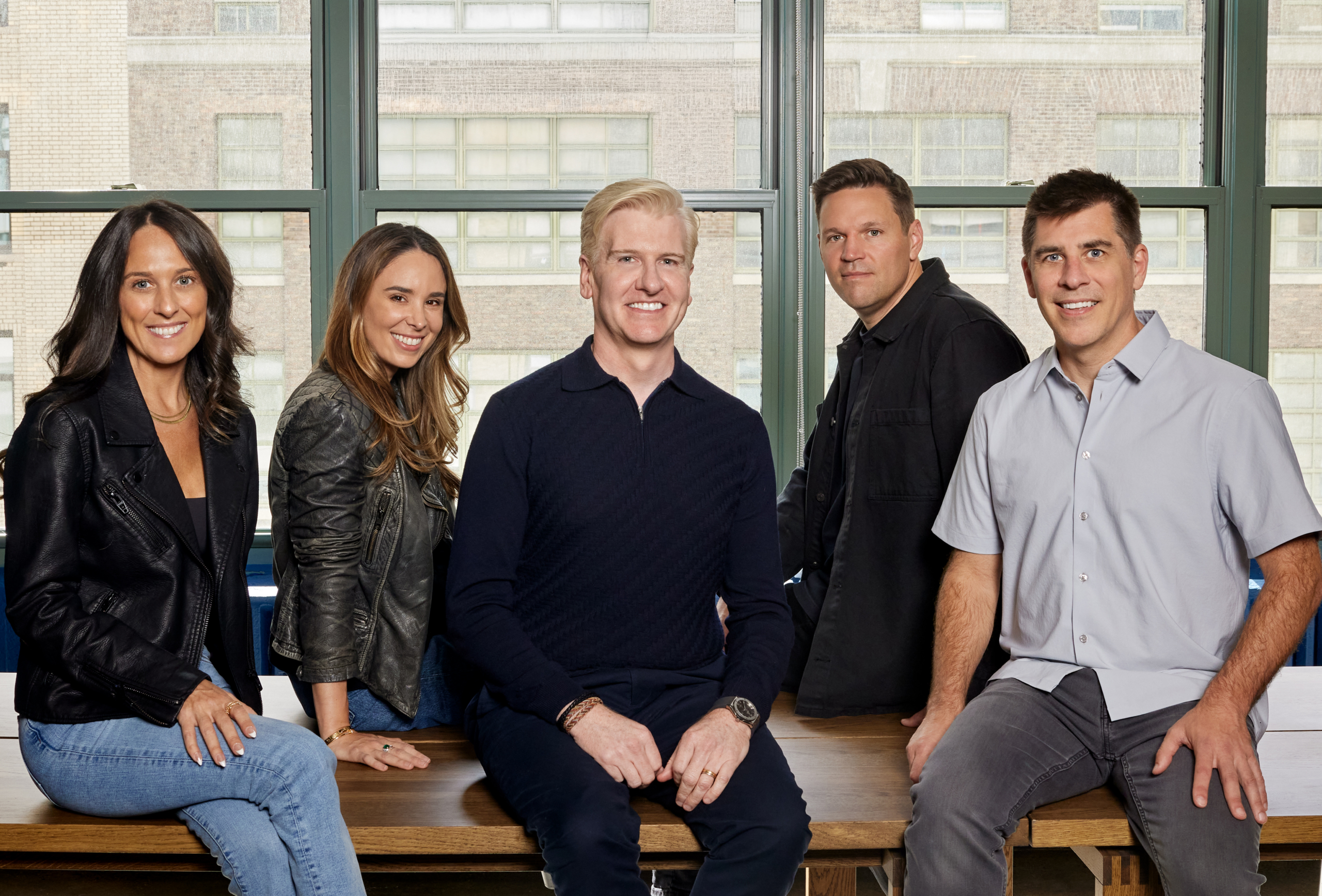
01 / The originA windowless office and a dangerous client
The founders rented a basement in Lincoln's Haymarket district after college. It took six years - and an employee pointing it out - for them to realize the office had no window. The company, however, found an opening. It pitched a children's website to Lowe's, reached the final round and was asked to bring its technical team to North Carolina. There was no technical team. Hull recruited three friends for the presentation. Archrival won the $500,000 contract, delayed kickoff long enough to hire the required people and suddenly had takeoff capital.
It also had a concentration problem. Lowe's represented roughly 35% to 40% of revenue. Then a local bank offered the agency more money than it had ever received to become, essentially, a production shop. That was the tempting path: large account, broad capabilities, no sharp reason for a national client to call Lincoln.
“Sometimes what you say no to can be equally as powerful as what you say yes to.”Clint Runge
Archrival declined the bank work and chose youth culture as its specialty. The founders had noticed that their best projects all spoke to people like them - young adults moving between a new digital life and physical communities. Within six to twelve months, Red Bull called. For the next five to seven years, Runge has said, nearly everything Red Bull did in the United States involved Archrival. The client gave the agency room to move quickly and learn from ideas that missed. More important, specialization made a small Midwestern shop legible: if a brand needed young America, there was a number to call.
02 / The enginePeople are the media plan
Archrival's difference is easiest to see in the unit of distribution. A conventional agency can define a target, make an ad and buy access to it. Archrival often recruits a person already inside the target community. Its Opportunities site lists brand-specialist and ambassador programs for adidas, Sheetz, Vuori, Tubi, Heineken 0.0 and Tinder U. These are not simply one-post influencer contracts. The agency hires, trains, supplies and manages people who can operate on campuses, in stores, at events and in niche scenes over time.
Research feeds that network. The Archrival Culture Collective is a national panel of Gen Z participants who answer monthly surveys and writing prompts. Their observations can enter strategy sessions, workshops, the weekly Culture Brief or ALMANAC, the agency's trend publication. The model tries to solve an obvious flaw in youth marketing: a 45-year-old creative director reading a report about 19-year-olds is still a 45-year-old creative director reading a report. Archrival adds a live circuit back to the people being described.
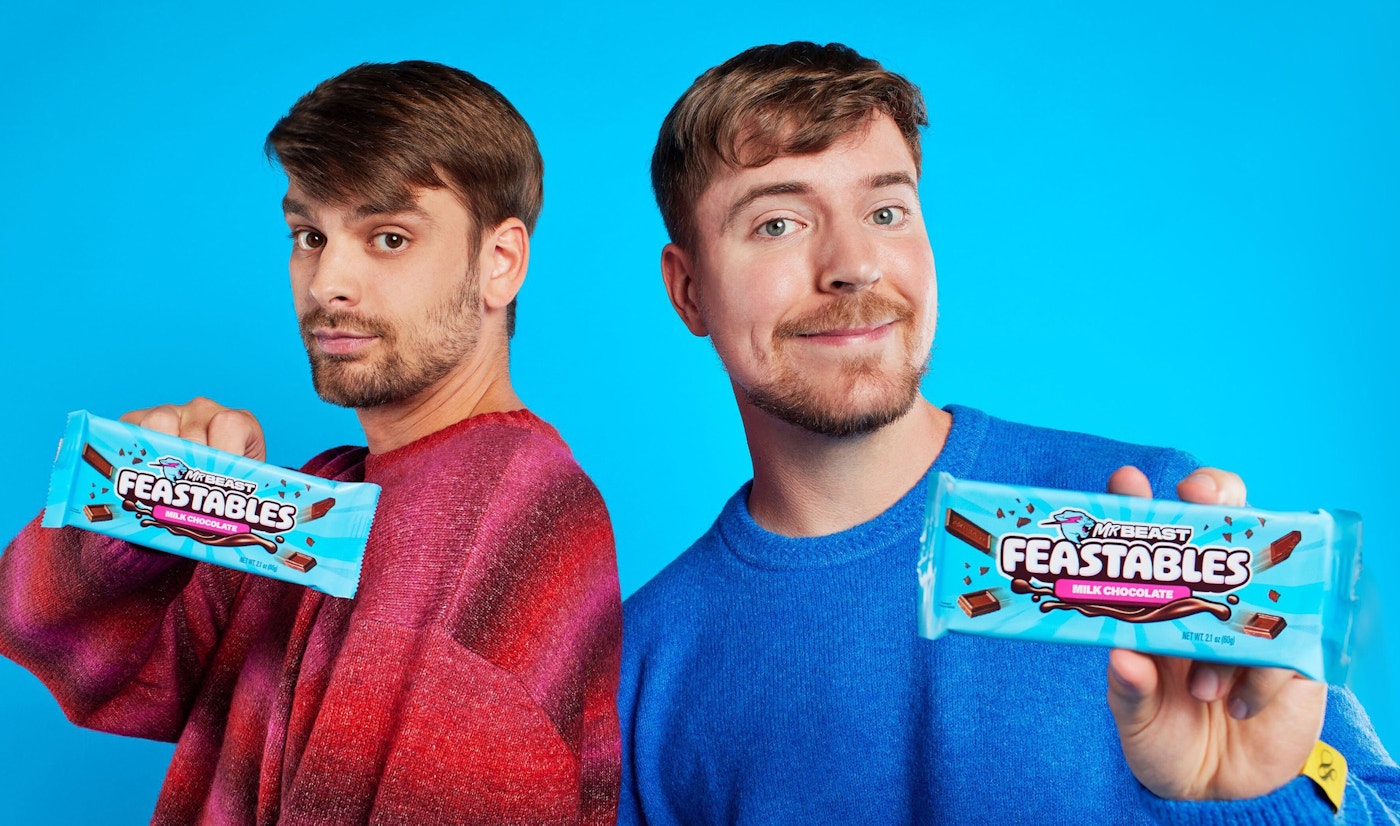
For Feastables, the company selected college creators with an average following above two million, offered prompts and resources, and allowed ideas to range from comedy and gaming to giant chocolate heads, vending machines, helicopters and ice baths. The reported output was 206 pieces of content, two million engagements, 26 million impressions and 120,000 chocolate bars placed directly into students' hands. Sampling supplied a physical action; creators supplied the language; campus supplied the social proof.
The piece a smaller brand can steal
- Start with a sub-community, not an age bracket. “College students” is a demographic; volleyball loyalists, campus runners or student creators are communities.
- Recruit people with standing. Follower count can help, but local trust and participation are harder to fake.
- Give them a job bigger than posting. Let members host, sample, recruit, teach, design or improve the experience.
- Build a ritual worth attending. The brand should add utility, access or delight to something people already value.
- Measure behavior. Track enrollments, trials, attendance and repeat action alongside impressions.
03 / The proofDo not invent the crowd. Serve it.
The company's adidas work around Nebraska's 2023 Volleyball Day demonstrates the approach at stadium scale. Archrival and adidas reactivated the Nebraska Coliseum, the team's former court, for a game-day pep rally. Fans made signs and bracelets, played games and wrote notes to players. More than 15,000 people attended - three times the agency's expectation - and posted the event hashtag more than 2,500 times. Later, 92,003 fans filled the football stadium and set what was then the world attendance record for a women's sporting event.
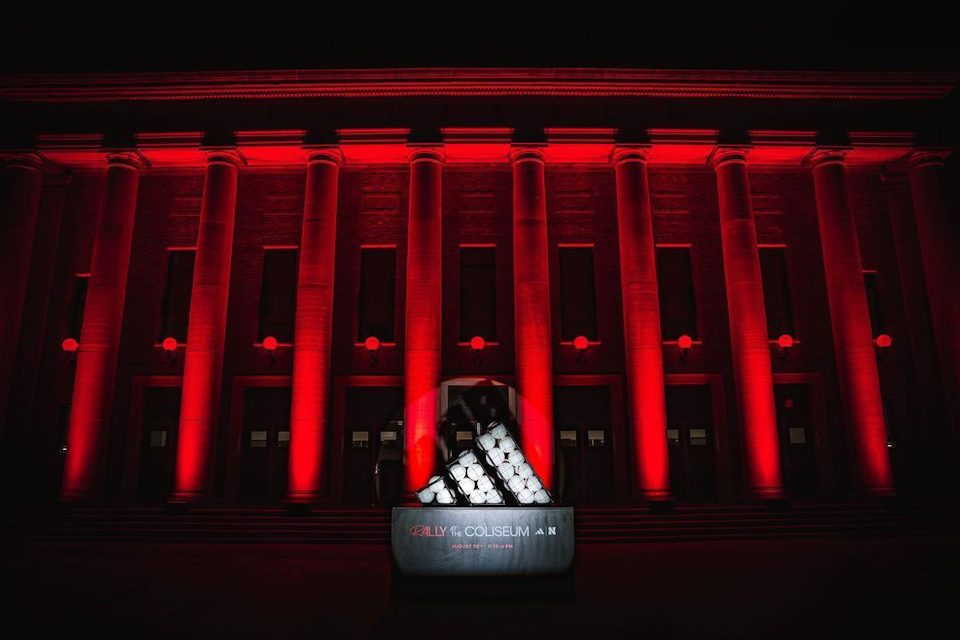
The brand did not manufacture the devotion. Nebraska volleyball already had generations of it. Archrival gave that devotion objects and rituals: the old venue, the handmade signs, the note net, the chance for young fans to meet players. This is the distinction between entering culture and renting a folding table beside it.
Tinder's Swipe Off used competition instead. More than 1,000 campuses chased a free Gunna and GloRilla concert by increasing in-app activity. Digital and influencer creative created national awareness; student ambassadors localized it with challenges, print materials and giveaways. At ambassador-supported schools, the campaign recorded 84,600 additional social impressions and 1,200 Tinder U enrollments - an average of 340 more per school than campuses without ambassadors. Temple won. Four students then helped drive more than 5,000 ticket redemptions in two weeks.
Action beats ambient awareness
Reported physical actions: products seeded, event participants and tickets redeemed. Bars use separate visual scaling for readability and are not proportional across campaigns.
04 / The businessWhat Havas actually bought
Archrival sells expertise and execution to consumer brands. Revenue comes from research, strategy, creative development, design, production, events and ongoing community or field-program management. The company does not publish prices, margins or standard retainers. A supplied business record estimates annual revenue at about $41.1 million and headcount at roughly 170, but those figures have not appeared in a public company filing. The disclosed fact that matters more is the cap table: on June 10, 2026, Havas announced it had purchased a majority stake. The price and exact percentage were not released.
This was not Archrival's first sale. Dachis Group acquired it in 2010 after the founders rejected five versions of the proposal. Runge later described the deal as a business education: access to a mentor, larger operators and a clearer view of how agencies scale. When Dachis shifted toward software, the founders bought Archrival back. The agency grew from about 24 people to 84 in the next five years and adopted “Midwest to the world” as its rallying cry.
Havas Play offers a bigger version of that bargain. Archrival brings collegiate activation, ambassador networks, youth research and credibility in sports, gaming, entertainment and retail. Havas brings global clients, media, data, branded partnerships and its Converged.AI operating system. The strategic logic is not that Havas needs another creative department. It wants an operating network that can move from a cultural signal to people on the ground.
“When we stop chasing trends and understand what truly moves a generation, we win the hearts and minds of consumers.”Clint Runge, announcing the Havas deal
05 / The catchWhen this playbook fails
Community marketing is attractive partly because the word “community” makes a budget sound humane. The mechanics are less sentimental. National field programs require recruiting, training, legal review, product logistics, local management, measurement and enough time for relationships to become credible. A one-week launch with a small budget cannot simply borrow Archrival's nouns and expect Archrival's outcomes.
Do not copy this if...
Your product disappoints on contact; the audience has no shared behavior beyond an age range; the brand refuses to surrender creative control; the program cannot compensate participants fairly; or leadership only values reach. Peer advocacy accelerates trust, but it also accelerates the truth.
The approach also fails when the brand confuses cultural fluency with imitation. Young consumers can recognize the difference between a company supporting a thing they love and a company wearing its clothes. Archrival's best work creates a useful role: a pep rally before a historic match, free product in a creator's format, a concert earned through campus participation, or neighborhood parties run with collectives that already know the room.
That leaves Havas with a familiar acquisition problem. The value it bought is partly Archrival's ability to behave unlike a holding company. Scale can provide better tools and broader reach; it can also add approvals between the local idea and the moment it needs to happen. Runge says Archrival will remain itself. The next result worth measuring is whether a global system can protect the speed, specificity and productive mischief that began with a fake parking ticket.