Long before Andrew Rebhun was asked to steer the marketing of a restaurant chain with more than 2,200 bakery-cafes, he was a kid studying the strange physics of desire. A Beanie Baby went from his hands to a mall cart for $250. Soon he was selling his neighbors' belongings on eBay. The products were incidental. The interesting bit was the person on the other side: what caught their attention, what created value, what made them act.
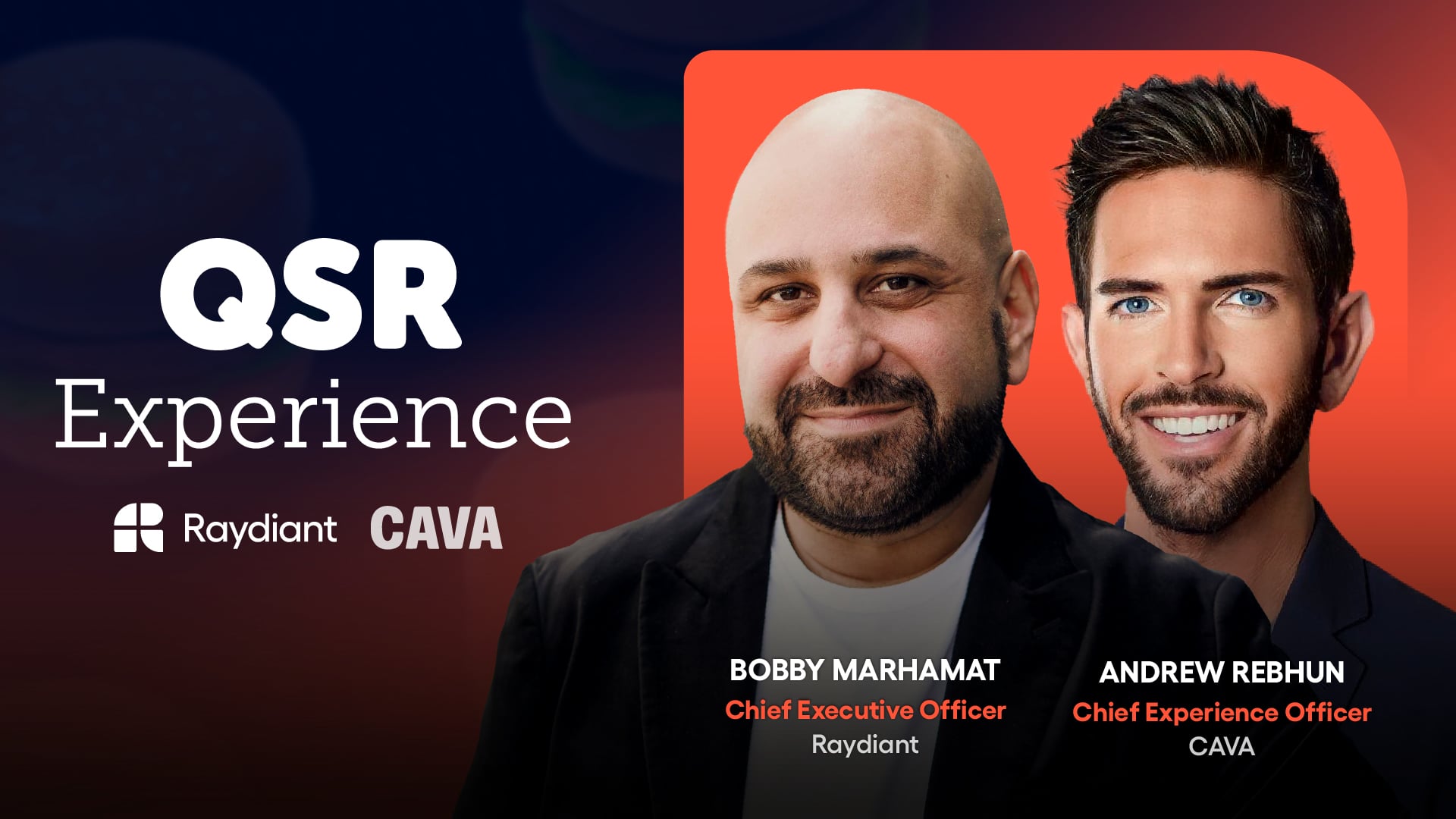
That curiosity has survived a trip through nearly every machine in the modern consumer economy. Rebhun has marketed cars, burgers, chicken, Mediterranean bowls and now bread. He has worked inside a century-old automaker during a financial crisis, joined an early digital team at McDonald's, rebuilt ordering and loyalty at a regional chain, and gathered an unusually broad customer remit at CAVA. On August 17, 2026, he joined Panera Bread as chief marketing officer.
The logos make a handsome résumé. The more revealing pattern is his appetite for discomfort. Rebhun's compact career advice is “Take the tough assignments.” He means the work with scarce resources, high pressure, unfamiliar terrain and no tidy playbook. Those assignments expose how a company actually works. They also reveal the operator inside the marketer.
“Take the tough assignments.”
The tennis court was the first laboratory
At the University of Wisconsin-Madison, Rebhun studied business and Spanish, but some of his practical education happened outside the lecture hall. He helped start the school's club tennis team, became president of the club sports department and organized the Badger Classic. By 2007, the tournament drew roughly 250 players from 25 schools. Planning took ten months and required sponsorships from restaurants and local businesses. Communication, logistics, selling, community: the future job was already hiding inside the extracurricular.
The club even helped deliver a wonderfully unserious life goal. At 21, Rebhun appeared on The Price Is Right, with tennis teammates in the audience. The anecdote suits him. His public persona is energetic without being lacquered. He likes the work, but he also seems alert to the comic possibilities of the route.
A campus role as a Chipotle student brand manager added another lesson. He built relationships with clubs, fraternities and sororities while the chain opened locations. Marketing looked less like broadcasting and more like becoming useful within a community. Then a career fair supplied the on-ramp to Ford.
A career begins in a storm
Rebhun arrived at Ford in 2008, when the American auto industry was absorbing a historic shock. He watched long-tenured employees leave, endured reorganizations and learned to make progress with little. Ford's rotational program took him through field, consumer and product marketing. One of his more curious credits was helping name the Ford Atlas concept, a preview of the aluminum-bodied F-150.
Movement became part of the education. Detroit, Kansas City, Detroit again, then Boston, Chicago and Atlanta during his McDonald's years. He has described moving six times in 11 years and visiting 31 states. The inconvenience produced a national patchwork of consumer behavior. A brand deck could describe “the American customer.” Rebhun had met that customer in many markets, each with local habits and expectations.
At McDonald's, he became employee number five on the U.S. digital team, complete with “Digital Dude” on his business card. The team helped launch the app across 5,000 restaurants in the East and reach more than 12 million members in its first year. It also worked on McDelivery. Today, ordering a meal from a rectangle of glass feels inevitable. At the time, the infrastructure, restaurant choreography and customer habit all had to be built.
The app must meet the counter
Rebhun returned to Los Angeles in 2019 to lead digital work at El Pollo Loco. His remit covered CRM, e-commerce, off-premise delivery, loyalty and social media. When the pandemic rearranged restaurant behavior, the company expanded delivery and GPS-informed curbside pickup. A customer could announce their arrival through the app; the restaurant could bring out the order with less waiting and guesswork.
The important word in his vocabulary is “experience.” Digital is valuable when it repairs a rough edge in real life. A quick interface cannot redeem a confused pickup. A clever promotion cannot compensate for an order that lands in the wrong operational queue. Rebhun's work increasingly lived at these seams, where marketing's promise meets the restaurant's ability to keep it.
El Pollo Loco relaunched its loyalty program with a new interface, tiers and customer journeys. The chain also experimented with creator-led TikTok comedy and drone delivery. Some ideas were playful; the foundation was operational. Rebhun rose from head of digital to CMO, giving him responsibility for every marketing or digital touchpoint.
Loyalty without the ledger voice
Rebhun studies loyalty with the enthusiasm of a person who has willingly turned his inbox into a wind tunnel. He has estimated that he subscribes to 300 or 400 restaurant, retail, airline and hospitality brands. He watches how they speak, where they surprise, and when a trend bends a brand out of shape. It is research conducted one subject line at a time.
His philosophy is concise: “Reward connection, not just frequency.” A program can distribute points and still feel cold. The better version notices how people actually engage and gives them a reason to remember the relationship. Rebhun has also warned against treating loyalty as a growth hack. The program extends the brand's behavior; it cannot manufacture devotion on its own.
That distinction changes the questions a marketing team asks. A frequency-only view wonders how to hurry someone toward one more transaction. A connection view examines the whole exchange: Was the offer relevant? Did the ordering path respect the guest's time? Could a team member solve a small disappointment without summoning a committee? Did the food and the message belong to the same recognizable voice? The answers live across departments, which is why Rebhun's roles kept widening. Loyalty became less of a promotional specialty and more of a diagnostic tool for the business. It showed where expectation and reality shook hands, and where they missed.
Points are redeemed. The brand is remembered.
This thinking found a large canvas at CAVA. He joined in May 2023 after an interview that included a Sunday spent with CEO Brett Schulman and co-founder Ted Xenohristos, talking through the company's history and visiting restaurants. The unusual investment of time impressed him. It also previewed the culture he would be asked to express at scale.
One guest, many front doors
CAVA's chief experience role joined marketing, digital, communications, catering and customer service around the full journey. Rebhun described the task by considering every person who touches the brand, including a delivery driver walking into a restaurant. The org chart disappears from the guest's view. What remains is whether all the handoffs feel like the same company.
As CAVA expanded, he argued for technology that enhanced human interaction. The app tried to echo the energy and choice of walking the restaurant line. Community Days connected openings to local nonprofit support. The loyalty program put food rewards at the center. A “Love Button” gave team members discretion to recognize a guest with a gesture of generosity. Scale required systems; hospitality required room for judgment.
Bring the weather
For all the machinery in his career, Rebhun's leadership idea is meteorological: “Bring the weather, set the tone.” A leader enters the room with a forecast. People notice whether it carries panic, curiosity, defensiveness or useful energy. He advocates showing up as a human, an optimist, an energizer and a cheerleader. The point is not compulsory sunshine. It is recognizing that tone travels.
The phrase also explains his approach to difficult assignments. Pressure is unavoidable; the response remains a choice. At Ford, a young marketer learned resilience amid uncertainty. At McDonald's, he learned restaurant foundations while digital changed the front door. At El Pollo Loco, he connected software to curbside reality. At CAVA, he pulled the entire guest journey into view.
Panera is the next hard assignment. Rebhun reports to CEO Paul Carbone and leads Brand & Creative, Digital & Loyalty, Menu Innovation and Media. It is a wide remit at a familiar kind of hinge: a large restaurant brand working to deepen relevance while its customer experience stretches across cafés, screens, menus and rewards.
His biography suggests how he will approach it. Listen widely. Keep the front line near the strategy. Treat the loyalty database as evidence of people rather than a substitute for them. Resist trends that do not fit. And when the room looks to the leader for a forecast, bring weather that makes difficult work possible.